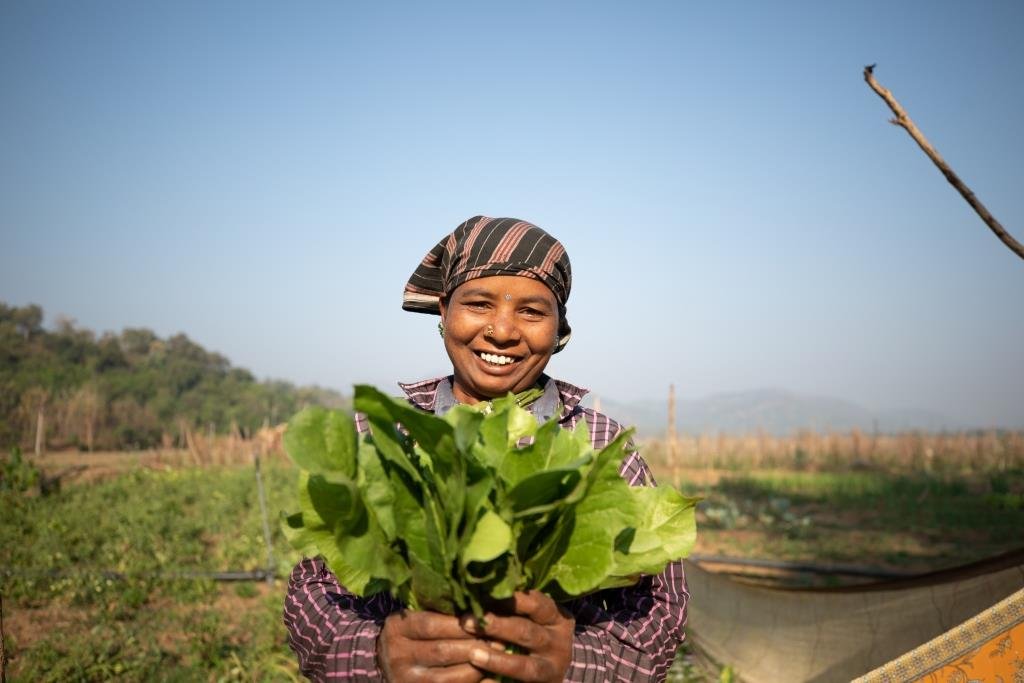
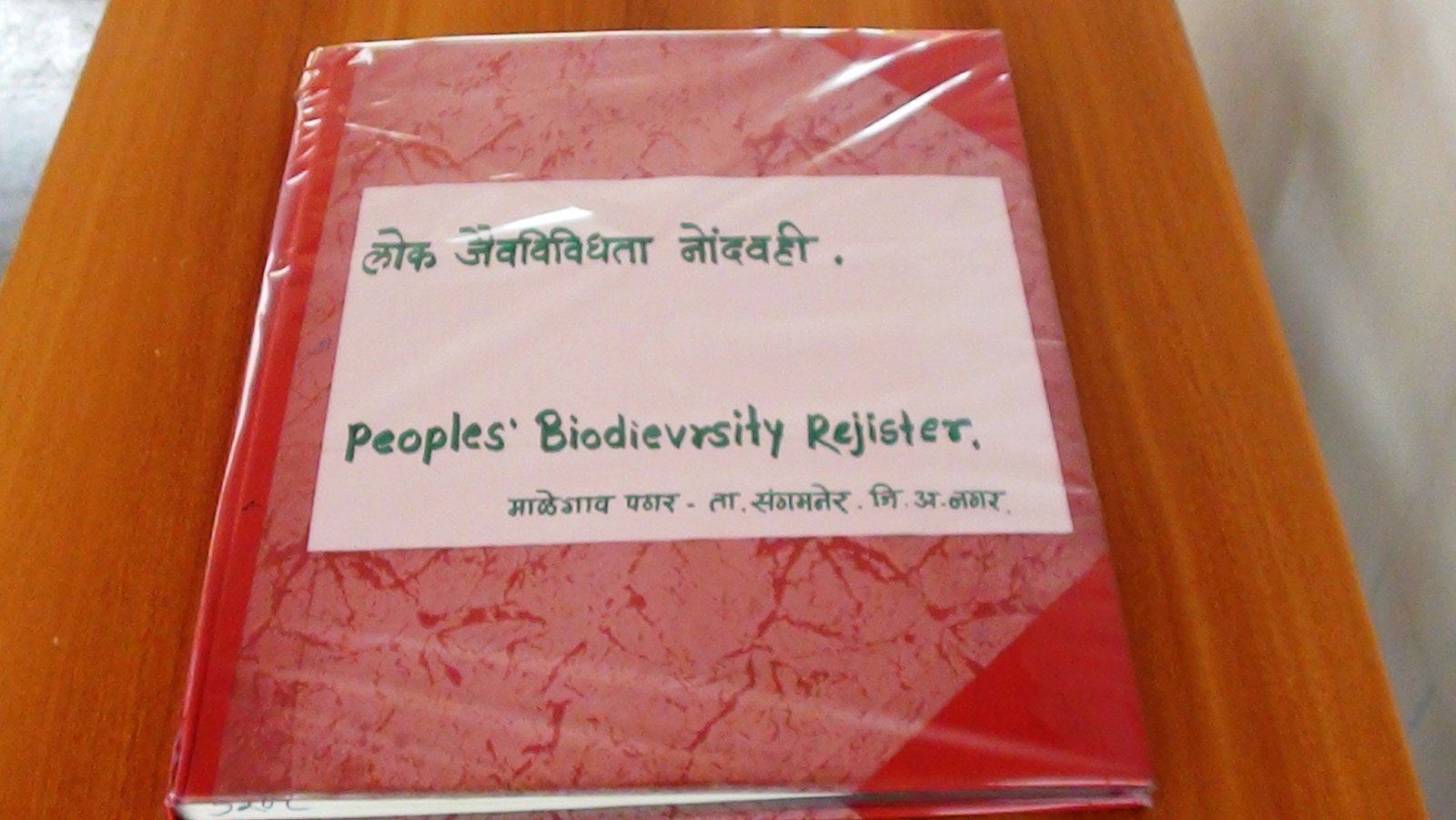
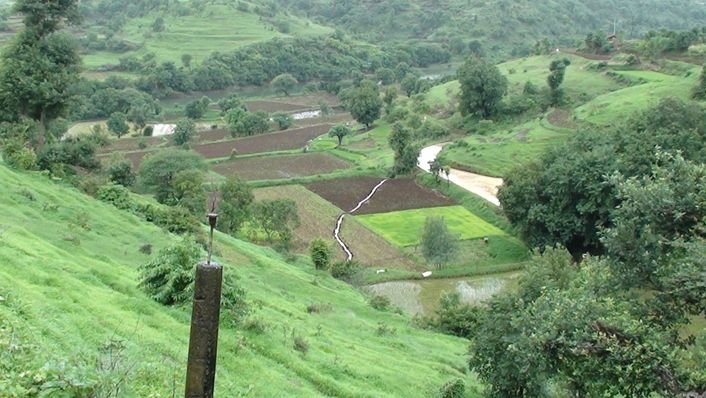
Just like art and music, nature is the common thread that frees us from all physical and social boundaries, connecting us to the larger aspects of life. The vastness of forests and deserts, the depth of oceans, and the dynamism of biological diversity
Life is nothing if not diverse! And so is the world around us. From the thick, all-encompassing worldly banyan trees to the thin films of algae that floats on water surfaces, from the gorgeous, speckled butterflies to the slimy brown bugs that feast on
An Environment is a setting in which plants, animals, humans, bacteria, etc. (biotic components) interact with abiotic components such as water, soil, and atmosphere. The interaction happens as per each component’s characteristics, features
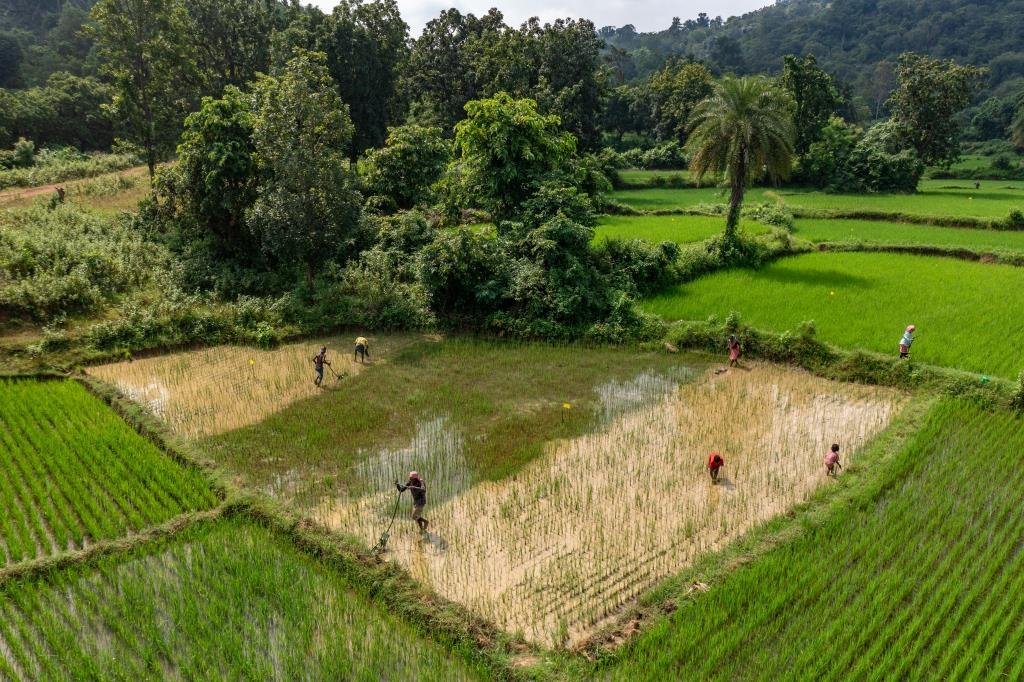
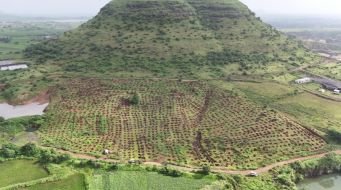
People in the rural rainfed areas of India are facing multiple challenges- degradation of land and other natural resources, water scarcity, lack of social empowerment and welfare, unequal distribution of the wealth, high level of vulnerability to climate change,
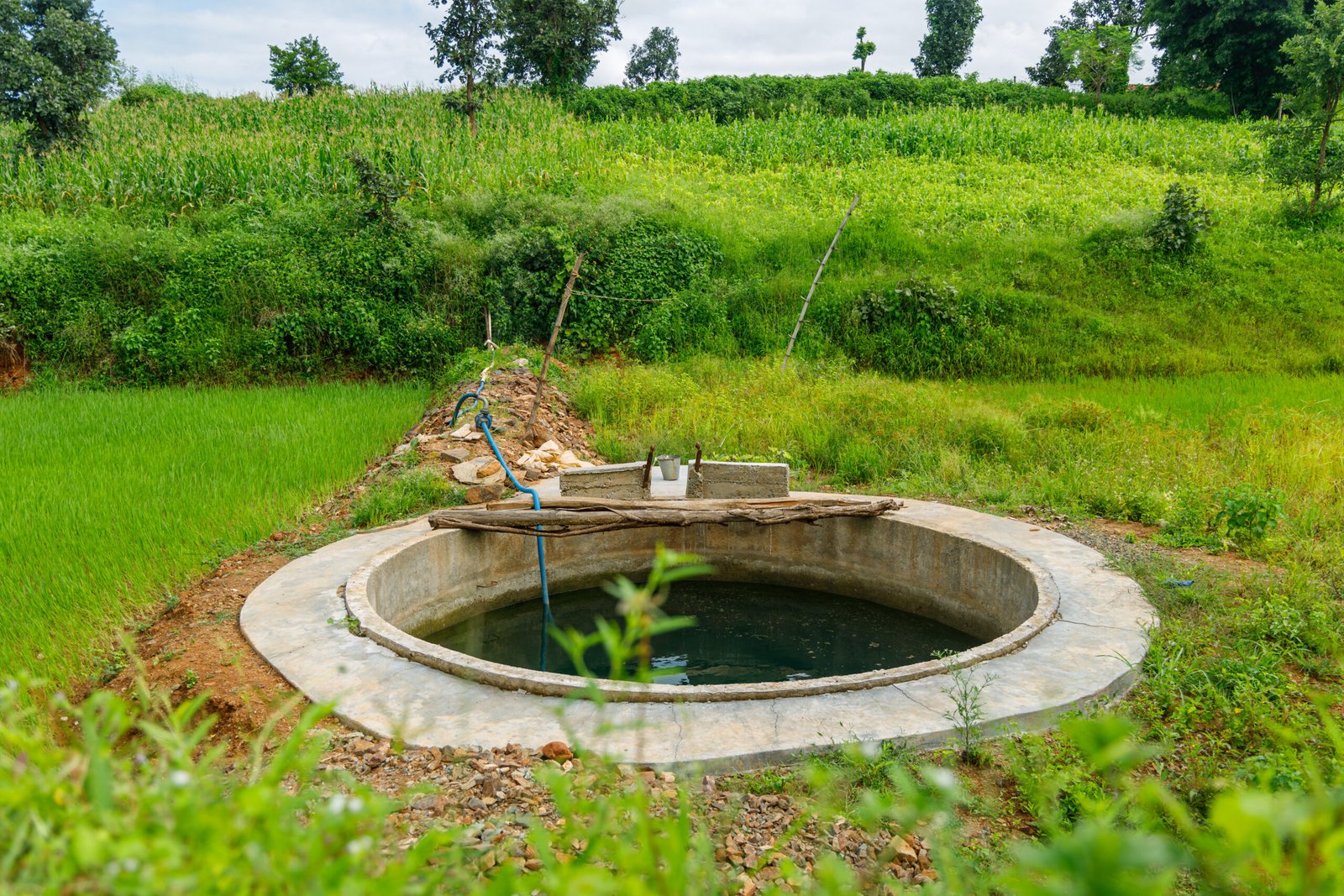
The water flowing beneath the surface is the largest source of fresh water on the planet. This “hidden resource” accounts for just 0.62% of the total water and 30% of the freshwater available on earth. Water availability, or the lack of it, is a cross-cutting issue.
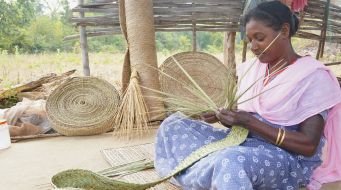
Gender stereotypes have shaped expectations and defined roles that have been stitched tightly into the seam of rural fabric. Given the centrality of gender equality to climate or development goals, ripping the biases out will be imperative. While there’s no quick fix to this, addressing the following overarching biases could be a start
Gender inclusiveness and women empowerment has garnered strong support globally, especially in the last couple of decades, and rightly so. Women are pivotal to the progress of a nation and play a key role in defining the culture of a society.
Climate change itself may be gender-neutral, but any action we need to take for adaptation cannot be anything but women-centric. Climate action cannot do without women. The reasons are endless, but let me bring out the five specific ones, and all of them have to do with every day and straightforward logic.
Climate change is already happening. Rising temperatures leading to rise in natural disasters are already making headlines. This shifting phenomenon presents a considerable risk on the health of people, natural capital (like clean water and food) and world economies
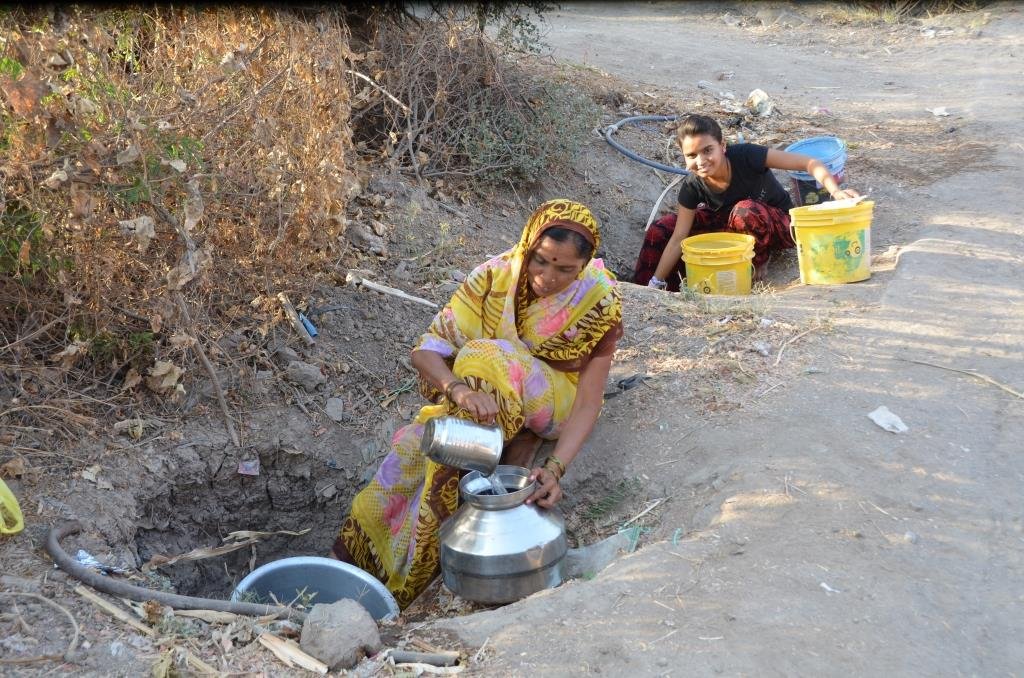
Drinking water availability was always a challenge in the village Modwa, in Udaipur district of Rajasthan. The only source of potable water was the old well in the village. Years of poor maintenance of this well had made its boundary walls crumble
To deepen our collective understanding of the issues, the opportunities, and the inspiring models that are shaping resilient rural communities, we have curated a set of must-read case story booklets by WOTR.
The project focuses on improving irrigation facilities and promoting alternate livelihood opportunities, enhancing income stability and building climate resilience in the region.
Here’s how Poshan Maah inspired everyday nutrition changes across communities—a shared commitment to better nutrition, healthier families, and a nourished future for all.
WOTR & W-CReS, with the support of GIZ, brought together multiple stakeholders, researchers, policymakers, and development practitioners to explore a fundamental question: How do we build resilient food systems in an era of climate uncertainty?
At this year’s IUCN World Conservation Congress in Abu Dhabi, a new global report was released that carries an important message for our planet: to restore the land, we must first reconnect it.
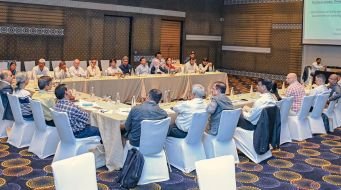
WOTR and W-CReS, in collaboration with the Economics of Land Degradation (ELD) Initiative, GIZ, organised a national roundtable titled “Restore Land through Integrated Efforts – Unlocking Opportunities for Today’s Needs and Sustainability Tomorrow.”