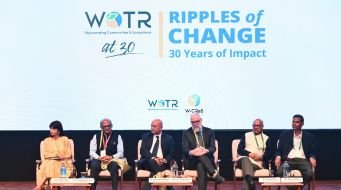
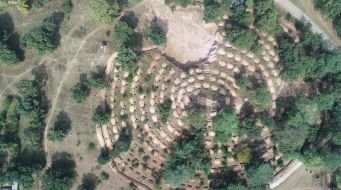
WOTR recently celebrated 30 years of transformative rural development at its “Ripples of Change” event. It spotlighted WOTR’s impact in rejuvenating rural landscapes and empowering communities.
Culture is a reflection of an organisation’s identity, its unique personality, and the values it holds dear. It is the sum of its traditions, rituals, symbols, and stories, all of which contribute to a shared sense of purpose and meaning.
Despite the issues in water sector, a lot can still be done with the active involvement of relevant stakeholders, the private sector being integral to this
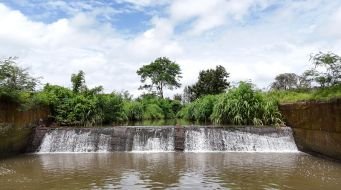
Borewell recharge structures are vital for communities to achieving sustainable water management practices that can mitigate groundwater depletion and ensure reliable access to clean water.
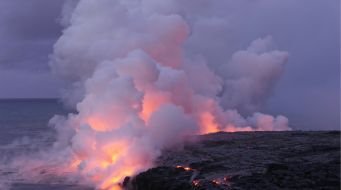
Odisha’s geothermal landscape holds immense potential, with untapped resources and exciting future prospects. Various initiatives are underway to explore and harness this energy, paving the way for sustainable development in the region.
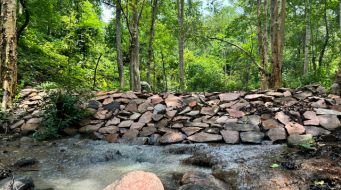
Soil erosion in Koriya, Chhattisgarh, threatens agriculture and infrastructure, requiring solutions like Loose Boulder Structures (LBS). LBS, a cost-effective method, controls erosion, conserves water, and supports local ecosystems.
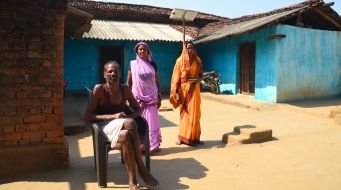
Suraj Lal turned his carpentry passion into a business, crafting furniture for his village with WOTR and AHB’s support. Similarly, Bir Singh and his team in Dungripara built a successful construction enterprise, creating a path to self-sufficiency.
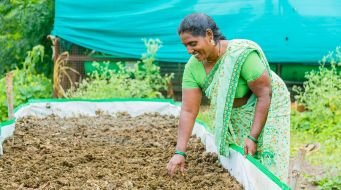
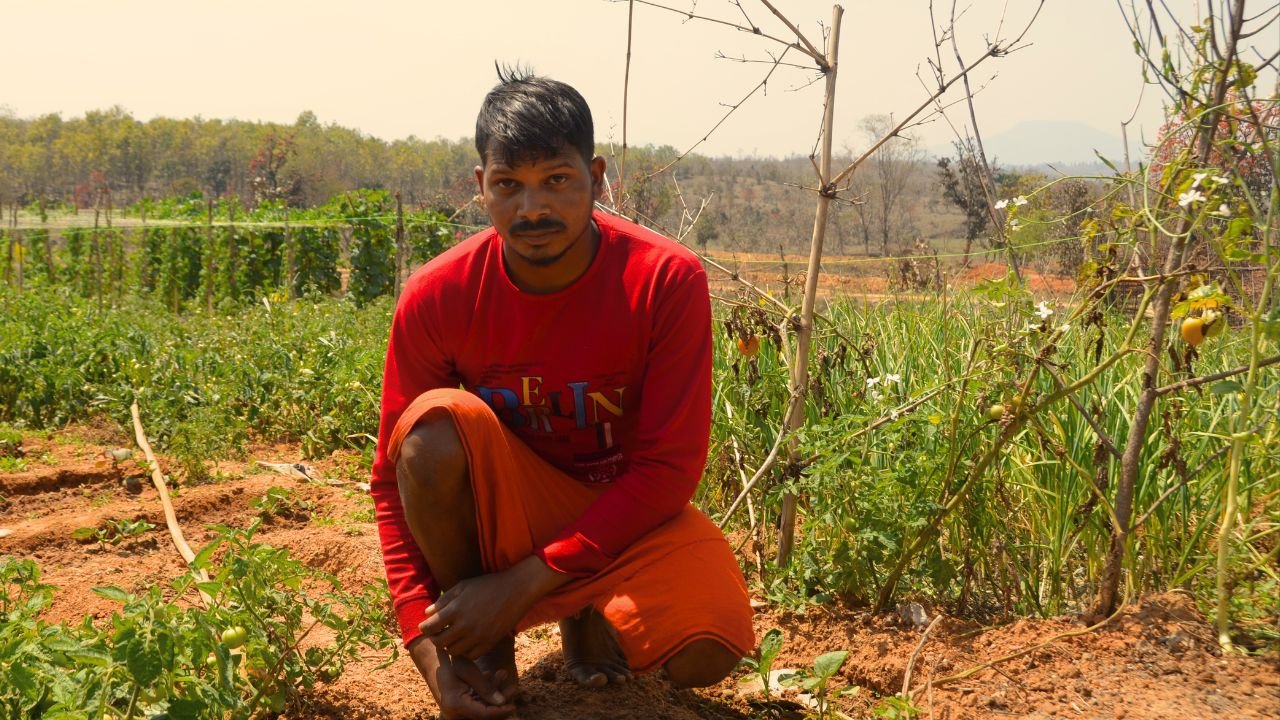
Sahulia Singh’s family, once reliant on a limited diet of rice and potatoes, now grows a variety of vegetables through WOTR’s kitchen garden initiative, improving their nutrition and reducing dependence on distant markets.
W-CReS researchers’ journey across Maharashtra documenting good O&M practices turned into a travel across diverse terrains and lived realities, with each step testing perception and decision-making
The growing use of synthetic and glass-coated kite thread, commonly known as manjha, has turned a leisure activity into a serious public safety and environmental issue
In rain-dependent landscapes, Participatory Net Planning puts people at the centre of watershed decisions, building ownership that lasts beyond projects, it creates site-specific solutions that strengthen livelihoods.
Trees Transform Nallavelly village as 10,000 saplings revive barren drylands through community action, scientific planning, and sustainable rural afforestation.