This blog explores the challenges and solutions towards achieving Sustainable Development Goal 6 (Clean Water and Sanitation for All) in India, emphasizing the importance of collective action and innovative approaches.
This article highlights ten commendable NGOs that are at the forefront of environmental sustainability in India. These organisations are not just tackling environmental concerns but are also empowering communities towards a sustainable and resilient future.
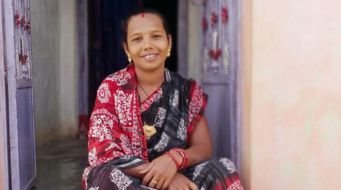
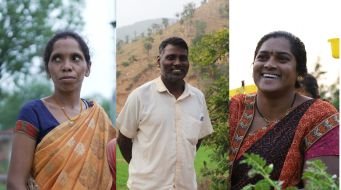
This story is from the booklet ‘Seeding Entrepreneurs: Stories of Women Entrepreneurs from Karjat and Shrigonda Blocks in Ahmednagar District, Maharashtra,’ published as a part of the ‘Promoting Entrepreneurship, Employment Opportunities, and Increased Incomes in Maharashtra’ programme of HSBC.
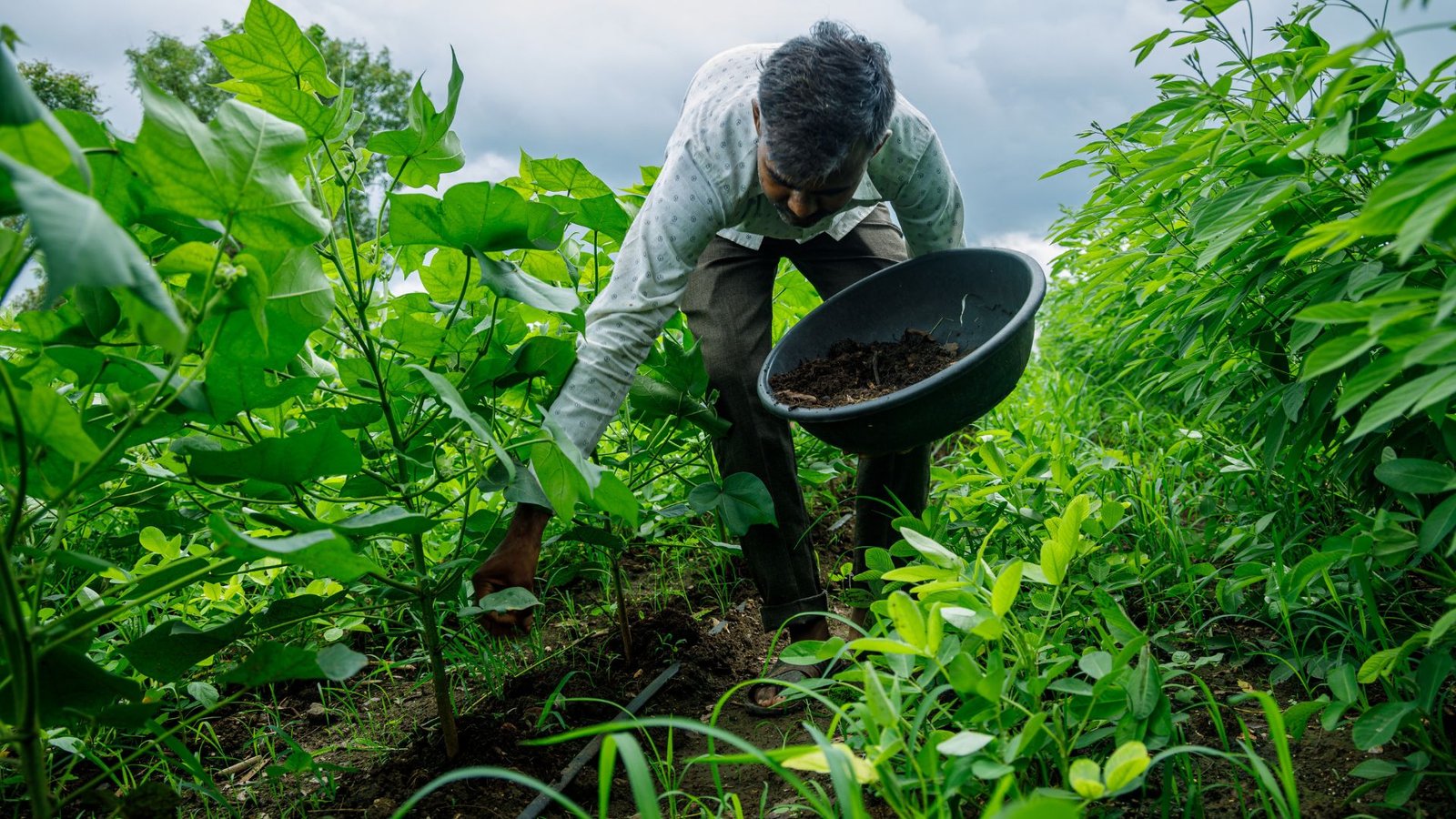
The resurgence of organic fertilisers is not just a trend but a necessity, a clarion call to mend the ruptured ties with nature and tread a path of sustainable and inclusive growth.
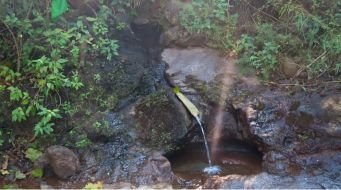
If you’re able to fill your bottle with clean drinking water at any given time of the day, clearly you are not amongst the 163 million Indians with no access to this privilege. India is one of the most water-stressed countries in the world
Plankton, specifically cyanobacteria (a type of phytoplankton), are the pioneers of photosynthesis on Earth. Yet, when we think of aquatic life, our minds often jump to fish, birds, crabs, and plants. Rarely do we give a thought to plankton, the
Deficit irrigation is the way towards sustainable agriculture in India, particularly in regions with uncertain and uneven rainfall patterns. There are several challenges posed by climate change, urbanisation, and industrialisation on agricultural
Tracing the historical evolution of global warming awareness from its origins in the late 1930s to its current status, it is a pressing global concern due to human activities like burning fossil fuels. The
Despite the Indian Meteorological Department’s (IMD) optimistic forecast of a normal monsoon in 2023, gauging at about 96% of the Long Period Average (LPA) with a model error margin of ± 4%, concerns still loom large. The IMD’s cautionary note
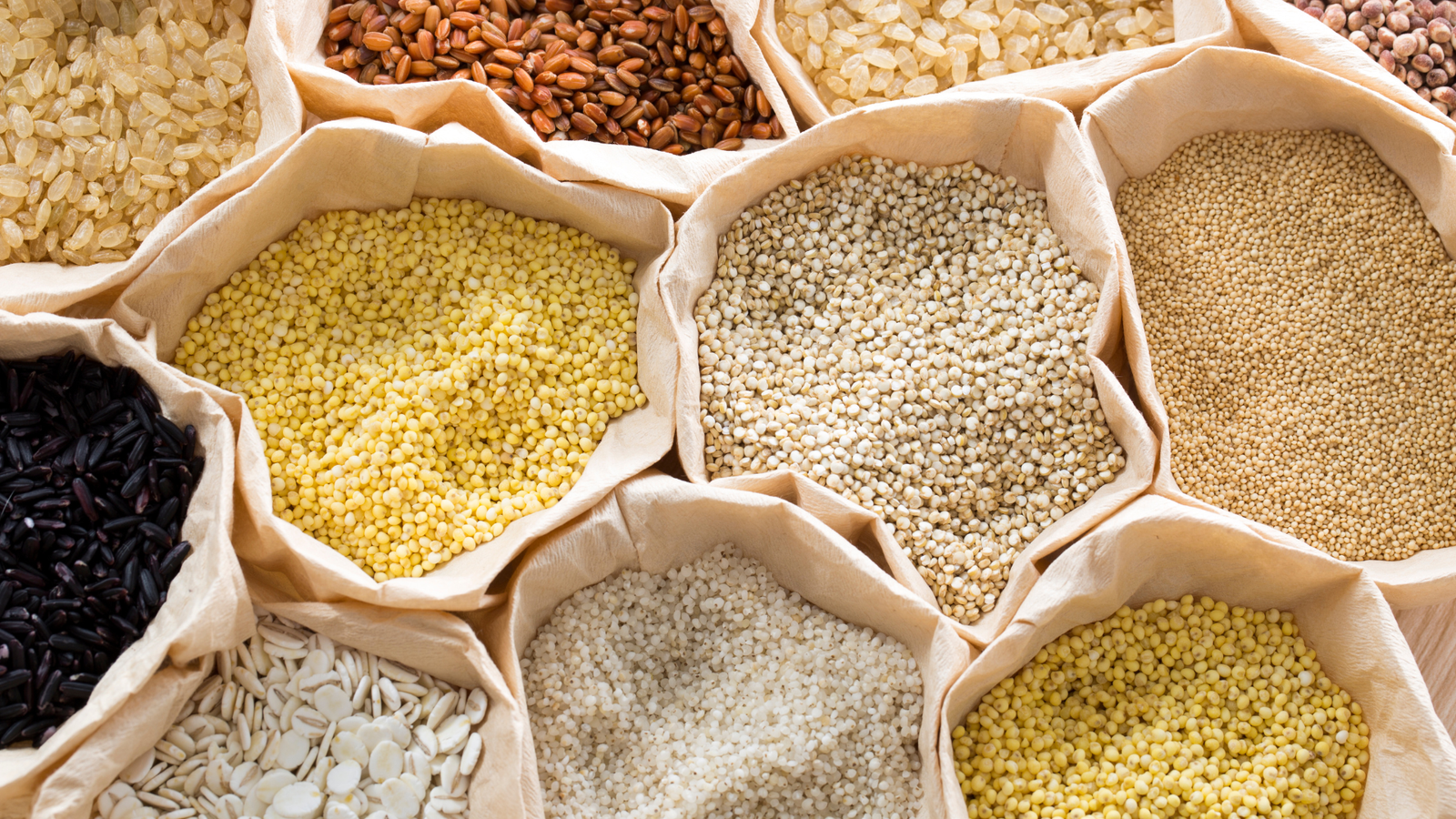
In a significant global acknowledgment, the Food and Agriculture Organization in conjunction with the United Nations, has declared 2023 as the International Year of Millets. This worldwide recognition serves to highlight the immense
View a curated selection of five WOTR films that we believe are a must watch for anyone interested in community-led development, water security, women’s empowerment, and long-term resilience.