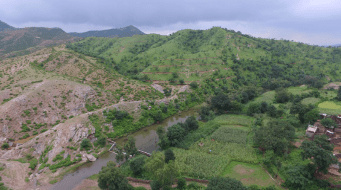
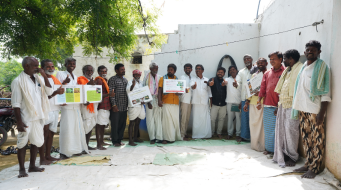
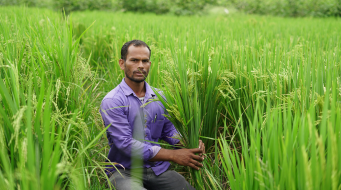
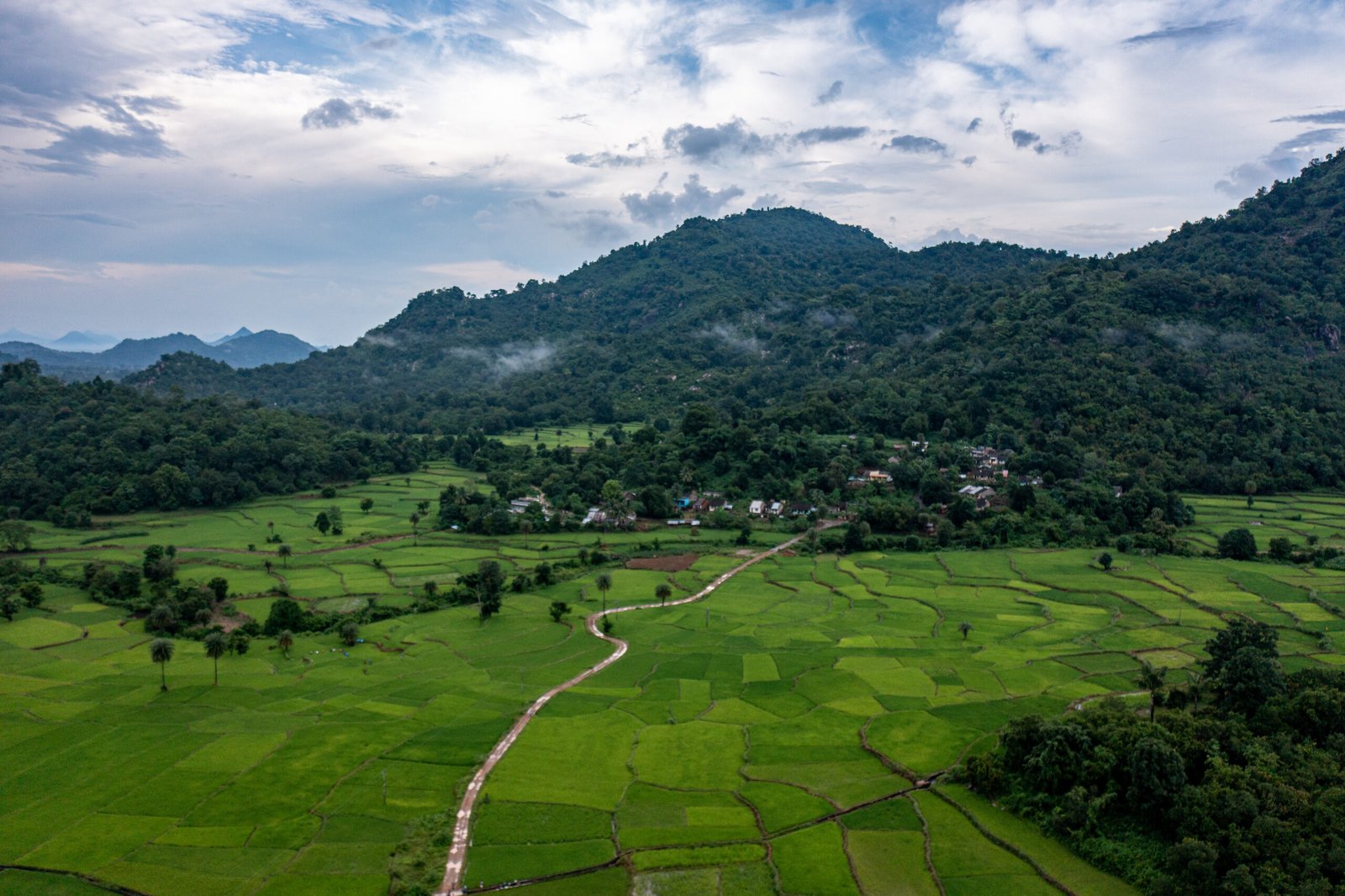
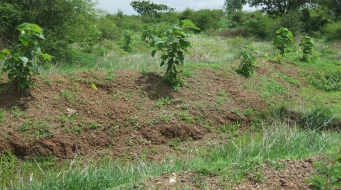
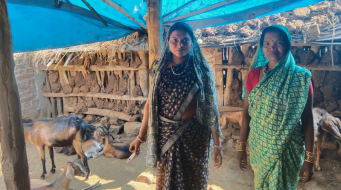
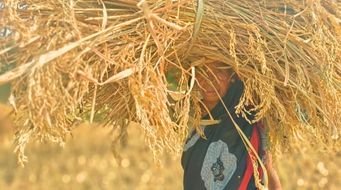
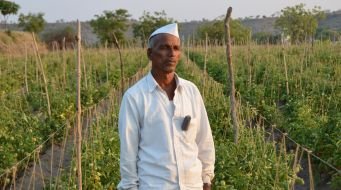
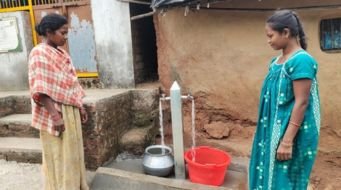
Phulman Singh and Ravi Marabi transformed their barren lands into thriving farms, bringing them closer to realising their dreams of building homes for their families.
A Better Tomorrow
Stories, Practices, and Solutions
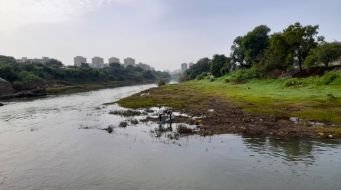
Urbanization and water scarcity are escalating challenges, but often overlooked, urban wetlands, offer crucial solutions. These vibrant ecosystems, found within or near cities, provide vital environmental benefits.
Diversion-Based Irrigation (DBI) merges ancient practices with modern technology, using gravity and slope to water crops without external energy. Understanding site conditions is crucial for successful DBI implementation, supporting sustainable agriculture.
On the occasion of World Environment Day, this blog underscores the pressing necessity for present and upcoming generations to address land degradation and desertification. With 40% of the world’s land degraded and impacting half of the global population, prompt action is imperative.
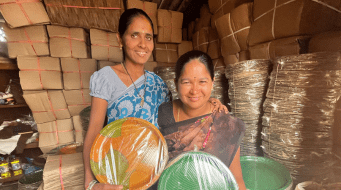
Despite initial skepticism from men in their village, three women from Yellammathada started a successful paper plate-making business. Through a training program by HSBC, they launched their venture with a loan and received equipment and training. The business has allowed them to repay their loan, earn profits, and gain financial independence.
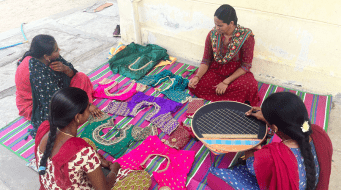
Lambadi women in Telangana have revitalised the traditional craft of Maggam embroidery, enabling them to earn a stable income from home. This change, initiated by a training program from WOTR, has allowed them to avoid migration for labor work and support their families better. Women now earn Rs 5,000-10,000 through their embroidery, which also preserves their cultural heritage.
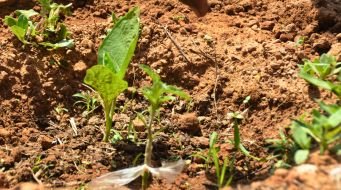
Located in a rain-fed area with limited water availability, residents say farming in Bhaironkonda has become particularly precarious in the last few years, owing to changing climatic conditions, and increasing costs of agriculture. Distressed, and desperate for solutions, some farmers started participating in Farmer Field Schools (FFS) organised by WOTR in 2019, as part of Axis Bank Foundation’s Sustainable Livelihoods Programme.
Paddy is the staple food for the majority of Narayanpet’s population and is grown in these parts extensively. Its cultivation has always been traditional, with farmers flooding the fields to grow it. Given the severe land and water constraints, WOTR decided to promote System of Rice Intensification (SRI) and System of Crop Intensification (SCI) amongst farmers under Axis Bank Foundation’s Sustainable Livelihoods Programme.
In today’s rapidly evolving business landscape, the concept of environmental sustainability is moving from being a philanthropic trend to a crucial business imperative. This blog post will delve into why environmental sustainability matters to businesses, exploring the key benefits, strategies, and ways to measure your progress.
Beneath the scorching sun of India’s vast plains, a quiet revolution is stirring. Not one fueled by the roar of tractors, but by the whisper of wind through thriving plants, the hum of a revitalised ecosystem. This silent uprising, rooted in ancestral wisdom and ecological harmony, is Natural Farming.
By Categories
By Tags
Pashu Sakhi initiative empowers rural women as para-vets, improving livestock health, boosting incomes, and strengthening climate-resilient rural livelihoods.
A socio-technical watershed approach helped communities restore ecosystems, strengthen institutions and secure livelihoods, creating resilience that has endured for generations.
The Rabi Jal Pehal project brought trained Pashusakhis to Agarbatti’s doorstep, offering affordable livestock care and practical guidance.
Explore the golden beauty of Chhattisgarh’s harvest, where tradition meets modern science in the vibrant fields of India’s rice bowl.
Read how the results of community-led watershed development remain evident even after 25 years in the rain-shadow area of Maharashtra.
Leopards in Pune reveal how cities reshape wildlife boundaries, forcing us to rethink coexistence beyond romance, fear, and reactive conservation.
Women of this village in Odisha walked eight kilometers daily for drinking water until the solar-powered borewell transformed lives.
India’s Supreme Court reimagines corporate responsibility, weaving environmental stewardship, biodiversity protection, and sustainable development into the heart of business ethics.