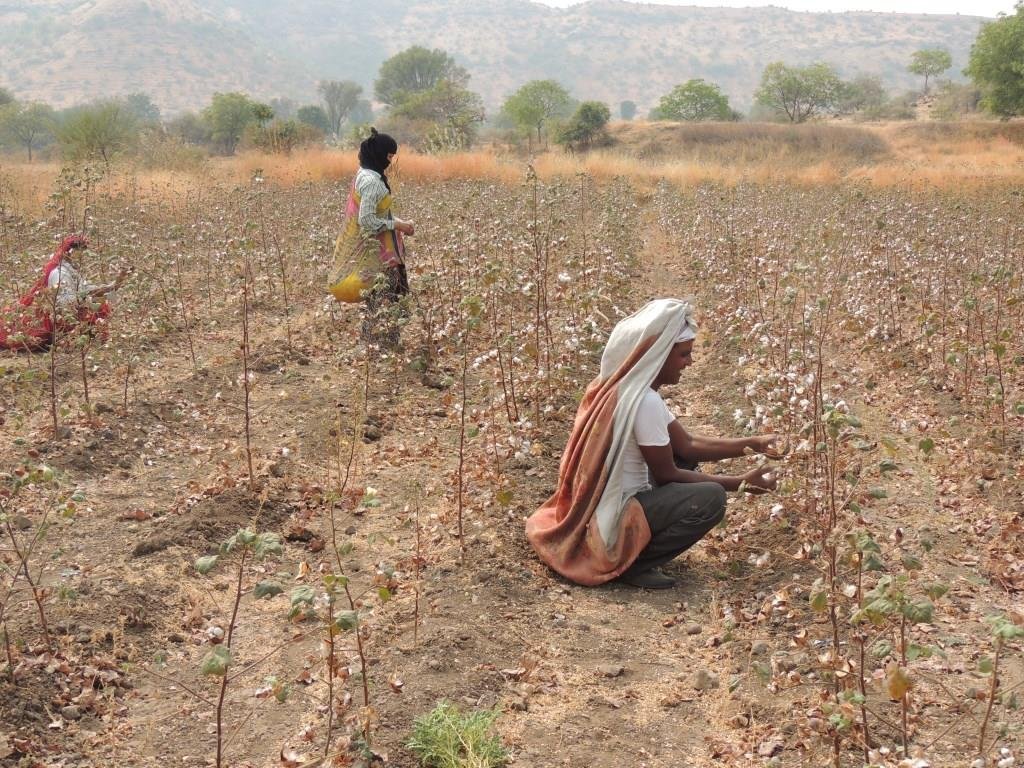
India, predominantly an agricultural nation, is currently facing a significant challenge in ensuring food security for its ever-growing population. With agriculture accounting for about 70% of the country’s water consumption, efficient water
A Better Tomorrow
Stories, Practices, and Solutions
Groundwater resources in India, a lifeline for millions of people and a driving force behind its economic growth, are under immense pressure due to population growth, climate change, and unregulated exploitation. The availability and
As we celebrate World Water Day, it’s crucial to recognize the importance of accelerating change to solve the water and sanitation crisis that affects millions of people worldwide. With this year’s theme focusing on the need for urgent action, the Water
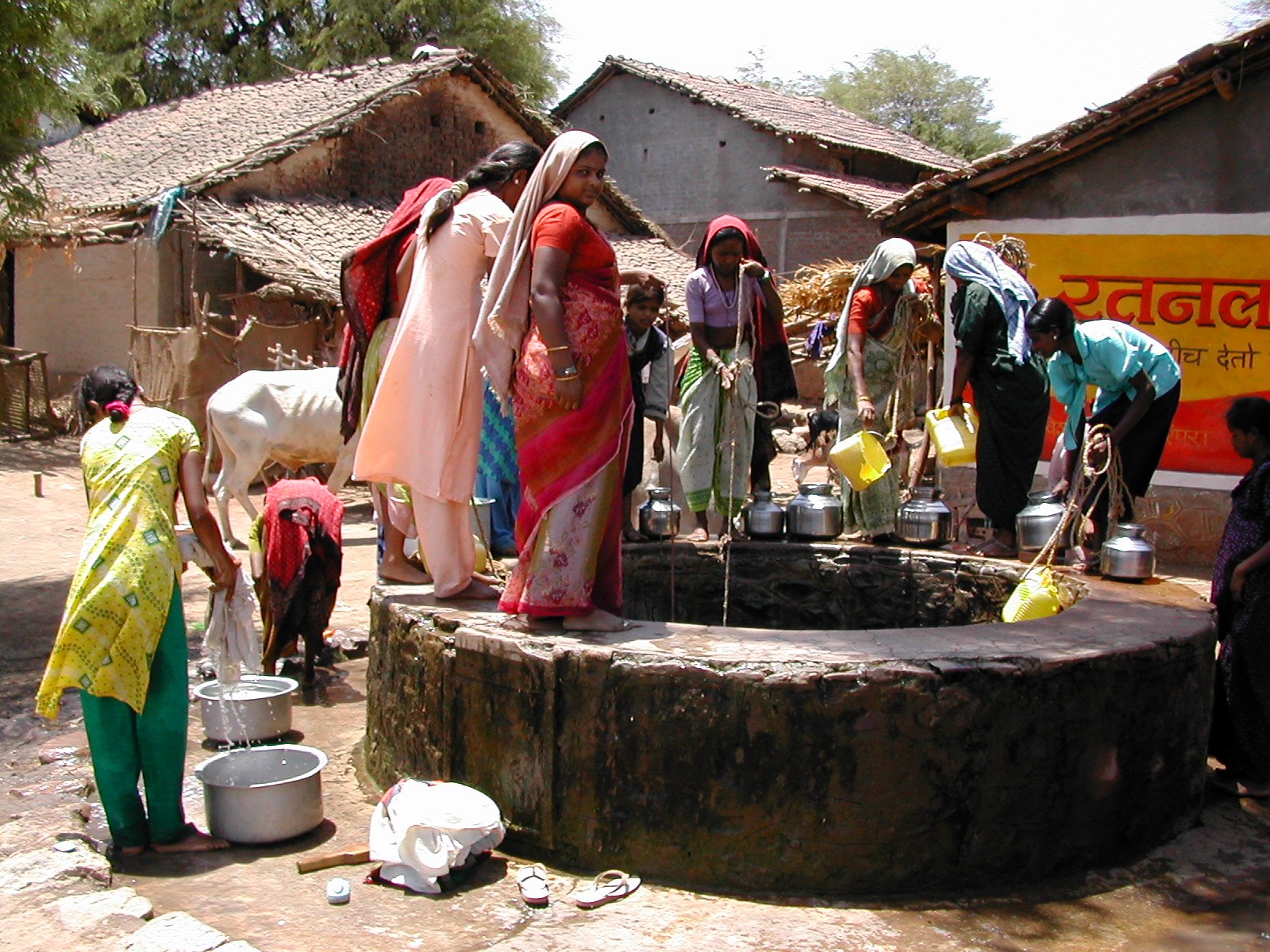
India is on the brink of a water crisis, with over 600 million people facing high to extreme water stress. The dwindling freshwater reserves are a wake-up call for us to act now and ensure sustainable use of our natural resources. To address this grave concern,
India is the second largest producer of rice, wheat, sugarcane, groundnut, vegetables, fruit, and cotton and the largest producer of milk, pulses, and jute in the world. As an agrarian country, 70% of India’s rural population depends on agriculture as their
India’s water resource situation is in stress. The solution to this problem is careful management and preservation of this priceless resource, and assurance of its economic viability, equitable distribution, and prudence in use. For more than 27 years,
Enough has been said about the looming water crisis that is getting worse with each passing day. Despite all the warnings, the efforts for water conservation and management have been abysmally sluggish. The situation is even more
The water flowing beneath the surface is the largest source of fresh water on the planet. This “hidden resource” accounts for just 0.62% of the total water and 30% of the freshwater available on earth. Water availability, or the lack of it, is a cross-cutting issue.
The state of Maharashtra has a wide range of rainfall patterns, ranging from 6000mm to 500mm. With 82 percent of the rural population reliant on agriculture for a living, even small changes in this diversified regional and yearly rainfall
By Categories
By Tags
Most conversations on agriculture focus on climate change, erratic rainfall, and the impact these have on crops. But we often overlook the very base of farming — the soil.
Change is taking root in Shahapur, Thane, with sustainable water management solutions
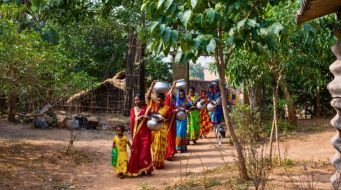
When unsafe drinking water became a daily health risk, a clean borewell in an Odisha village brought relief, dignity, and a return to healthier lives.
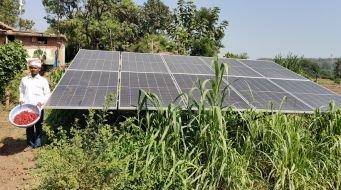
Community-led solar irrigation in Padardi Village boosting crop yields, enhancing household incomes, empowering women, and driving climate-resilient, sustainable rural development in Rajasthan.
A reflection on WOTR’s 32-year journey translating grassroot watershed and climate resilience practice & research into state and national policies.
Monocropping’s long-term impacts on soil, pests, and farmer incomes are explored through insights from Nitin Kumbhar, highlighting sustainable alternatives, diversification strategies, and pathways to climate-resilient agriculture in India.
A family in Odisha rebuilds their lives after a tragic accident, using community support to start a small shop that restores their livelihood, dignity, and hope.
A glimpse into the cultural practices and land-based traditions of tribal communities in WOTR’s project regions.