In the quest for rural communities to overcome water scarcity and build a resilient future, determination, collaboration, and the right support are essential. For the villages of Phalode and Sawarli, Pimpari in Maharashtra this journey began with a clear vision and collective action.
A Better Tomorrow
Stories, Practices, and Solutions
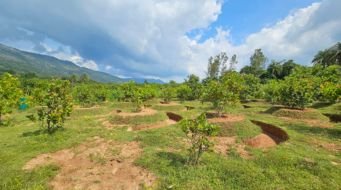
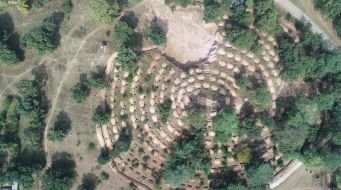
The crescent bund is one of the most effective in-situ soil and water moisture conservation methods used in cashew plantations
Participatory approaches are key to solving India’s groundwater depletion. Learn more about WOTR’s community-led strategies for water security.
Despite the issues in water sector, a lot can still be done with the active involvement of relevant stakeholders, the private sector being integral to this
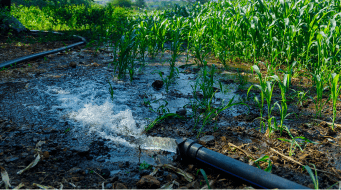
Borewell recharge structures are vital for communities to achieving sustainable water management practices that can mitigate groundwater depletion and ensure reliable access to clean water.
The Watershed Organisation Trust finds significant alignment between the recommendations by the Global Commission on the Economics of Water’s report and our own Water Stewardship Initiative
The Group Micro Irrigation (GMI) model promotes equitable groundwater access and encourages the adoption of efficient micro-irrigation systems among farmers.
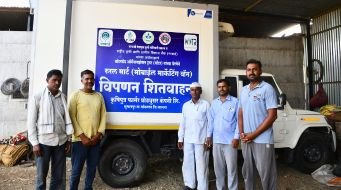
Krushiputra FPC, established in 2019, improved water conservation and farming practices in Subhanpur village, increasing crop yields by 30-40%. The FPC promotes micro-irrigation and offers resources, leading to collective profits and sustainable growth.
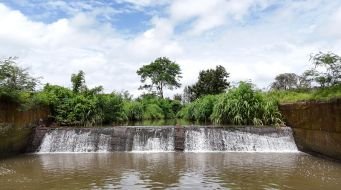
Borgaon Budruk’s Village Development Committee (VDC) and Village Water Management Teams (VWMT) have successfully addressed water scarcity through community-driven water conservation efforts, significantly improving local conditions.
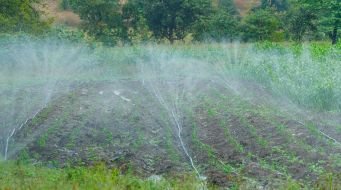
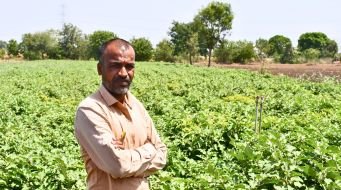
Shyam Motiram Jadhav and his wife, Vaishali Jadhav, have successfully increased their farm’s productivity and earnings by using a sprinkler system to grow brinjals, which require less water and yield higher profits compared to maize.
By Categories
By Tags
W-CReS researchers’ journey across Maharashtra documenting good O&M practices turned into a travel across diverse terrains and lived realities, with each step testing perception and decision-making
Mahavir’s farm has moved from producing what felt safe to what the local market needs.
The growing use of synthetic and glass-coated kite thread, commonly known as manjha, has turned a leisure activity into a serious public safety and environmental issue
In rain-dependent landscapes, Participatory Net Planning puts people at the centre of watershed decisions, building ownership that lasts beyond projects, it creates site-specific solutions that strengthen livelihoods.
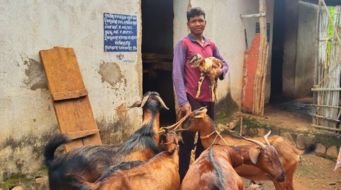
32-year-old Menej Raito of Kumbhijal village in Odisha’s Rayagada district earn an income in his own village and does not need to migrate anymore.
Read how ecohydrology provides the scientific foundation needed to link ecosystem restoration with reliable water outcomes.
Depleted soil is quietly reducing the nutrients in our food, driving hidden hunger despite full plates and rising food production.
Trees Transform Nallavelly village as 10,000 saplings revive barren drylands through community action, scientific planning, and sustainable rural afforestation.