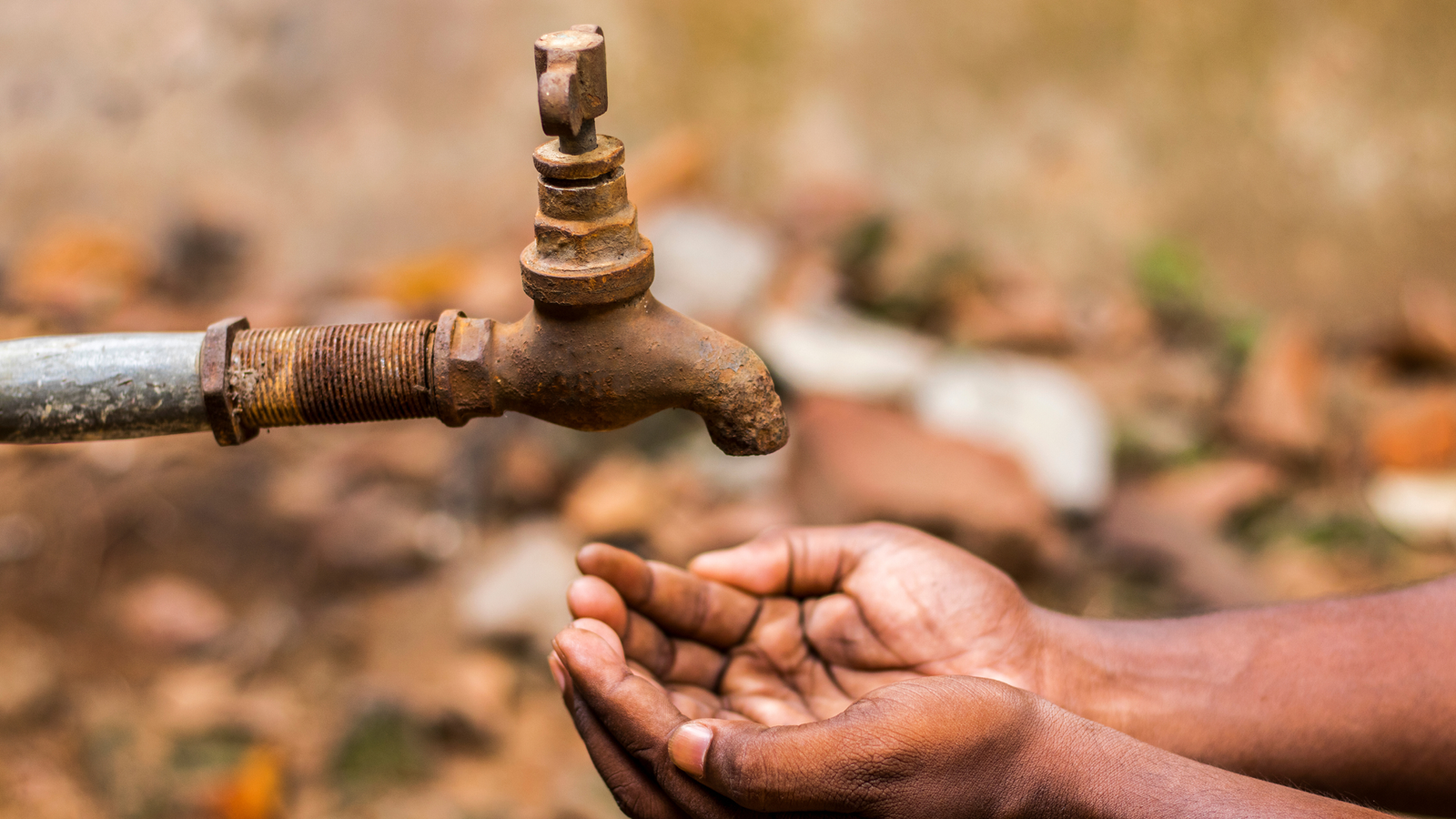
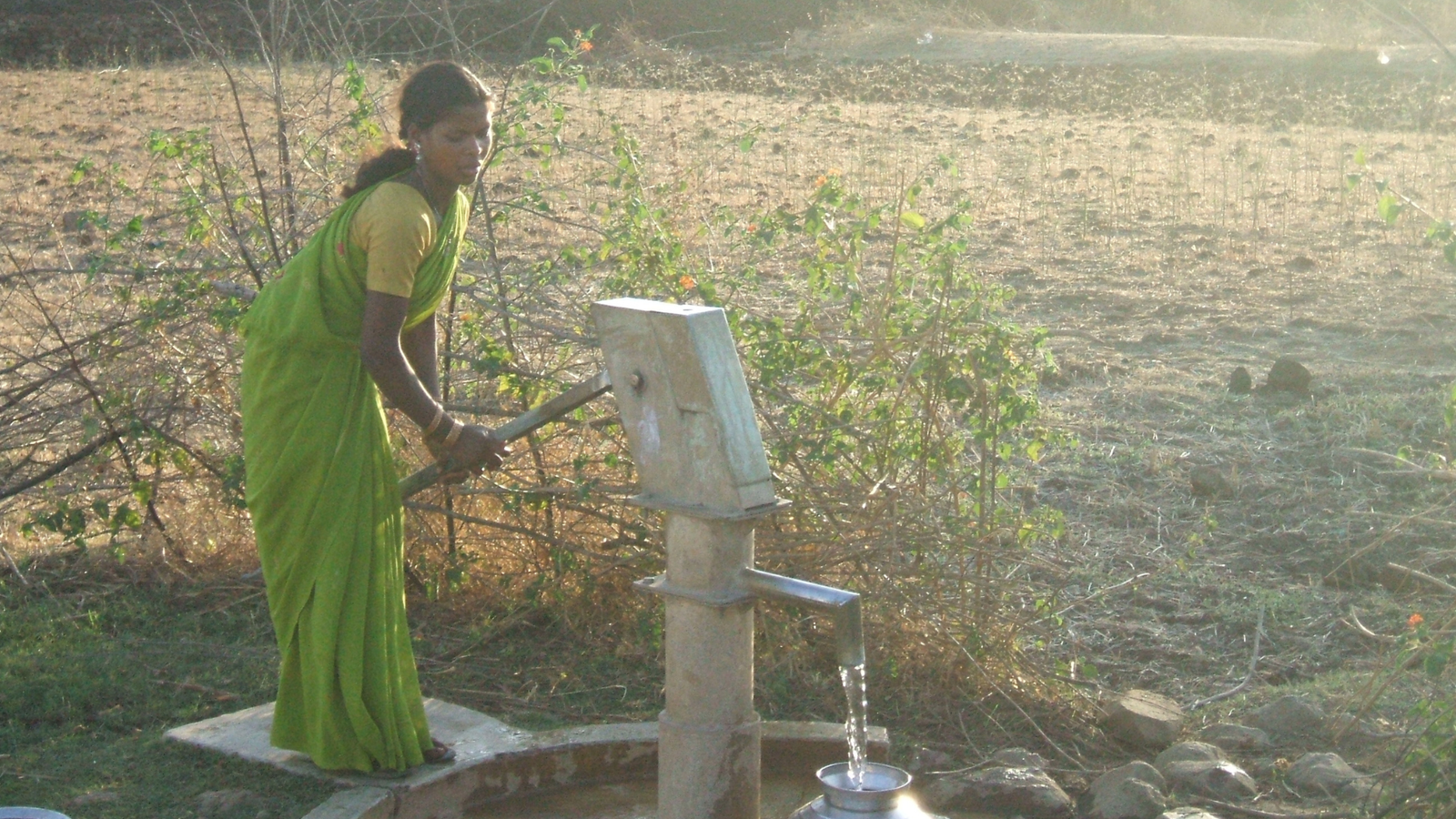
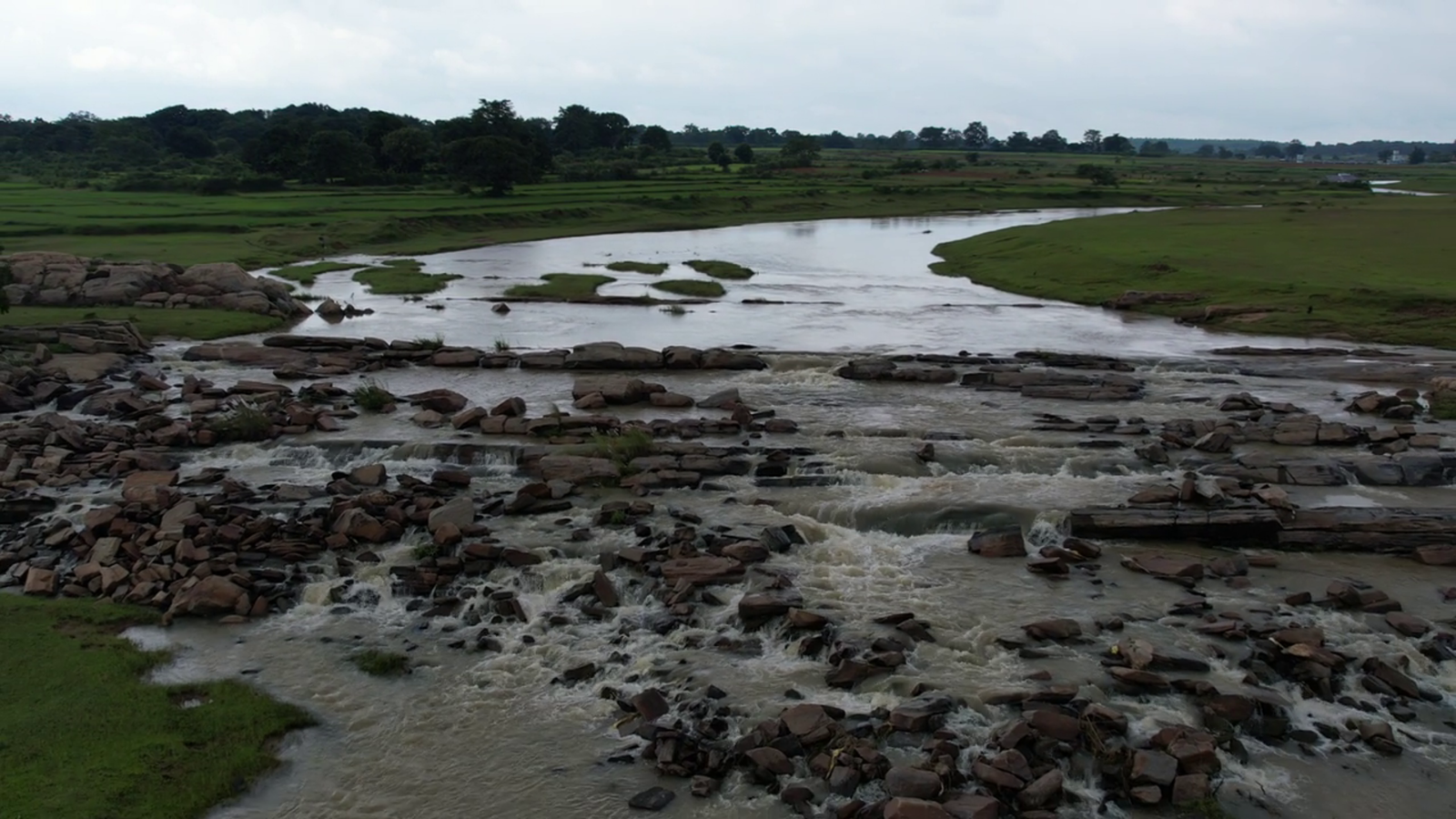
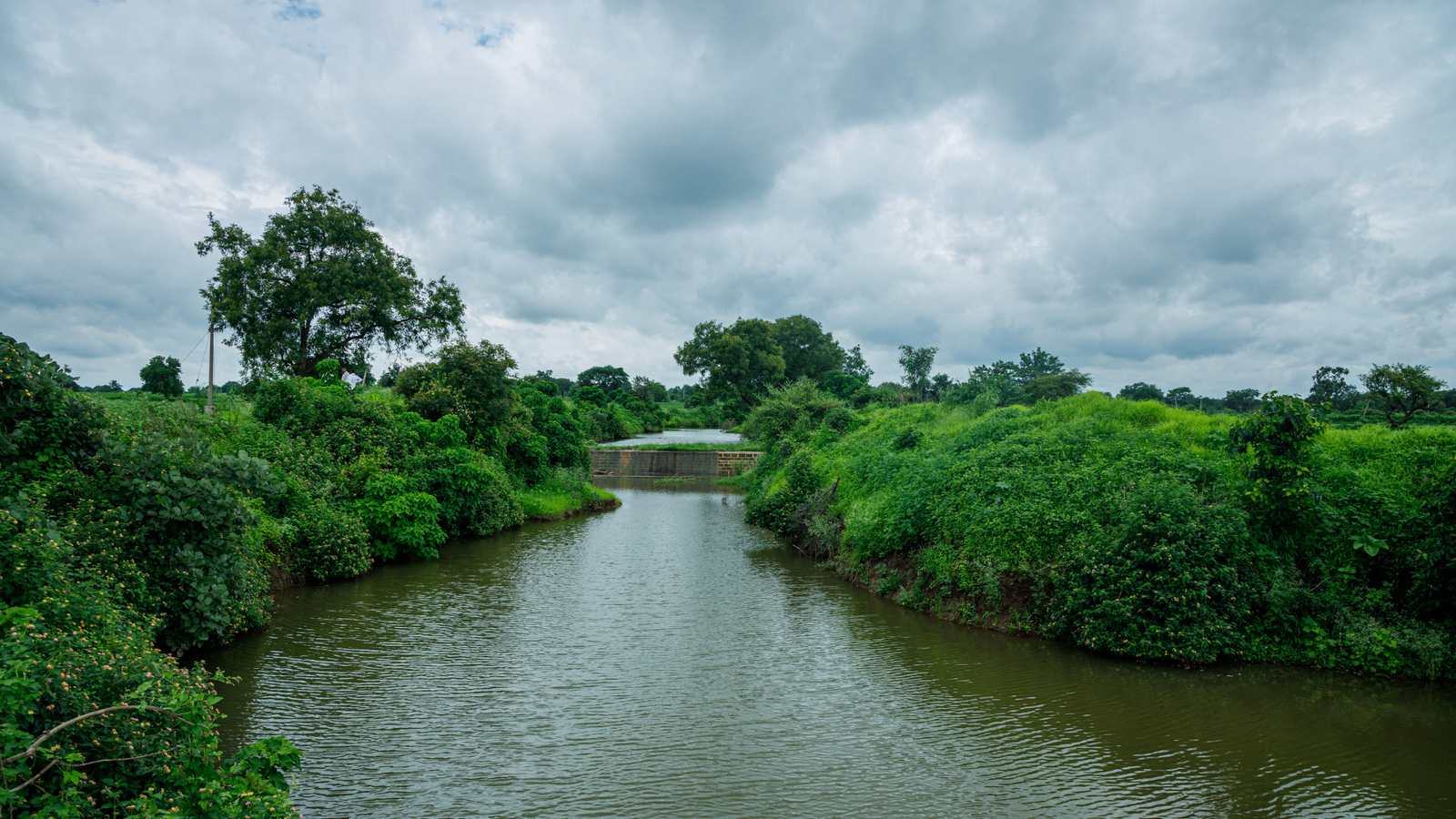
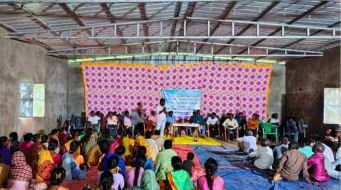
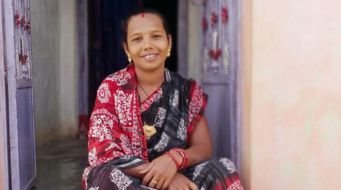
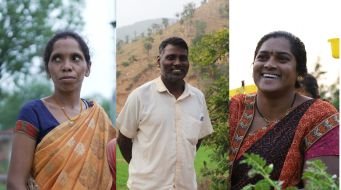
Nature, with its highly erratic behaviour, coupled with inadequate water conservation measures, has left villages grappling with severe drought situations like water scarcity, dependency on tankers, crop failure, and distressed migration. Umara is one of the participating villages in Kalamb block. In this village, two check dams are constructed through project support, bringing about a transformative change.
A Better Tomorrow
Stories, Practices, and Solutions
As the world’s most populous nation now, India grapples with a complex water security challenge. While blessed with diverse water resources from snow-capped mountains to perennial rivers, the story of per capita water availability paints a concerning picture.
In rural India, water scarcity is a harsh reality impacting communities’ lives profoundly. Through watershed development, communities are empowered to heal the land holistically, from ridge to valley, ensuring water security, improved health, and livelihoods.
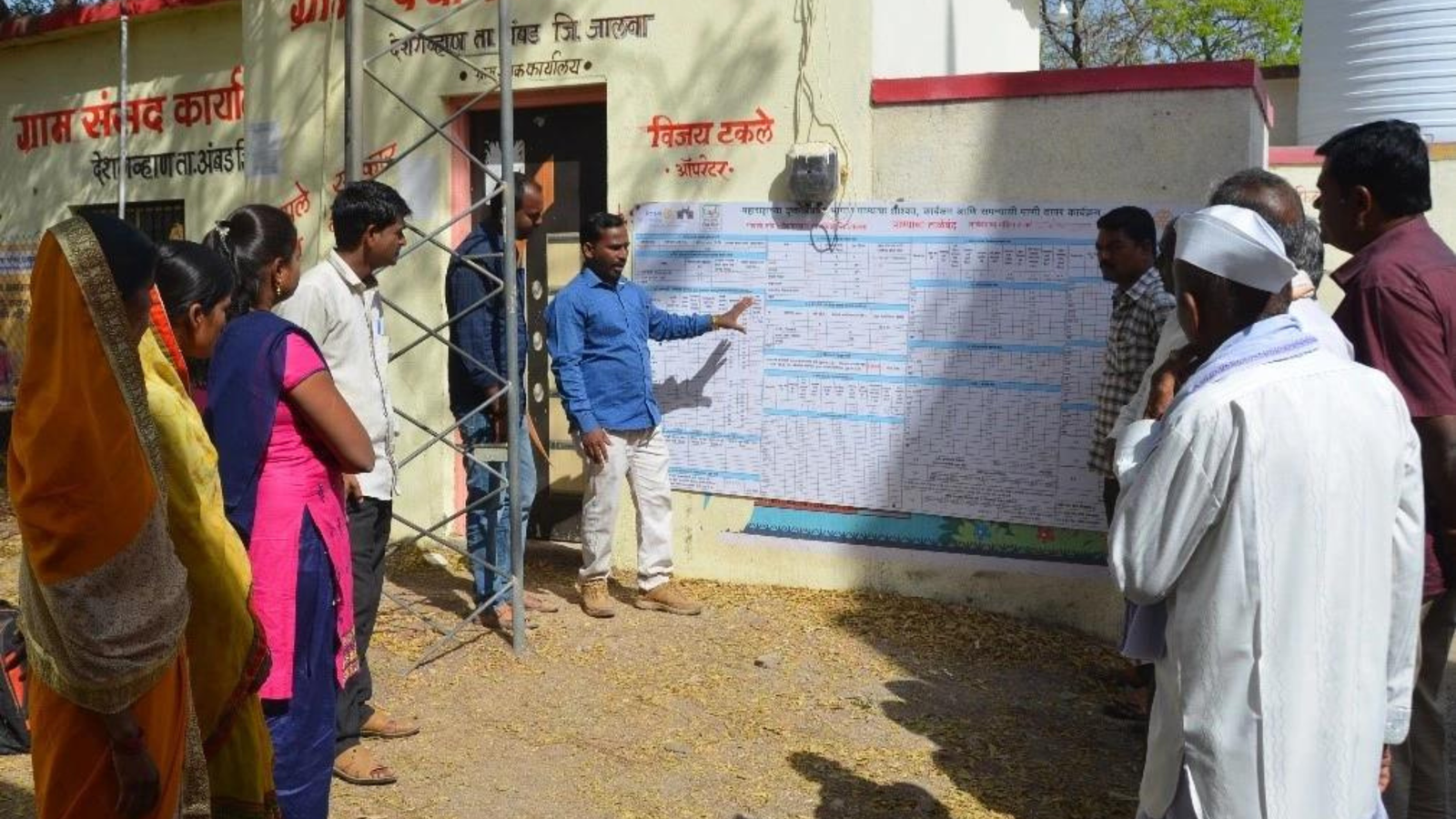
In a landmark move poised to transform water stewardship across Maharashtra’s vulnerable regions, the Water Supply & Sanitation Department (WSSD), under the Government of Maharashtra, has inked a Memorandum of Understanding (MOU) with the Watershed Organisation Trust (WOTR), Pune.
This blog explores the challenges and solutions towards achieving Sustainable Development Goal 6 (Clean Water and Sanitation for All) in India, emphasizing the importance of collective action and innovative approaches.
Madhya Pradesh, with over 72% rural population, relies heavily on groundwater, vital for agriculture and daily life. The 2022 Dynamic Groundwater Assessment shows a complex pattern of usage, recharge, and depletion, demanding urgent attention and action.
Can we rise to the challenge and become the custodians of water-the precious pearl, the lifeblood of our planet?
If you’re able to fill your bottle with clean drinking water at any given time of the day, clearly you are not amongst the 163 million Indians with no access to this privilege. India is one of the most water-stressed countries in the world
Deficit irrigation is the way towards sustainable agriculture in India, particularly in regions with uncertain and uneven rainfall patterns. There are several challenges posed by climate change, urbanisation, and industrialisation on agricultural
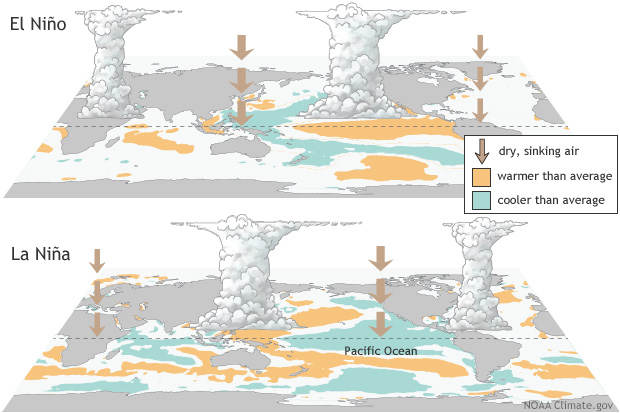
The Indian Meteorological Department (IMD) has predicted a normal monsoon for 2023, estimating rainfall at 96% of the long-term average. Despite this, the IMD also cautions that El Niño conditions are likely to emerge during the monsoon season. In
By Categories
By Tags
WOTR began mobilising farmers across Gajapati, Rayagada, and Ganjam in 2021, helping them form six Farmer Producer Companies (FPCs).
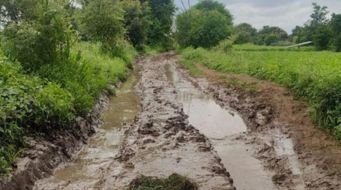
Exploring India’s farm roads, revealing how poor rural connectivity undermines productivity, mechanisation, incomes, and migration decisions nationwide.
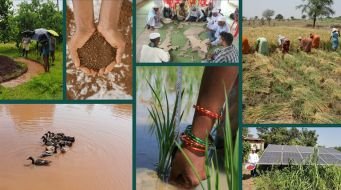
Reflecting on 2025, this blog captures how communities and WOTR strengthened water security, livelihoods, ecosystems, and climate resilience together.
Environmental awareness has never been higher, yet climate-damaging behaviour continues unchecked. This blog examines the growing green disconnect.
A woman farmer in Odisha rebuilds her livelihood through climate-resilient agriculture, soil health improvement, and collective market access support.
To understand how Monsoon 2025 affected farmers, we surveyed 545 farmers across Maharashtra and Madhya Pradesh in September.
View a curated selection of five WOTR films that we believe are a must watch for anyone interested in community-led development, water security, women’s empowerment, and long-term resilience.
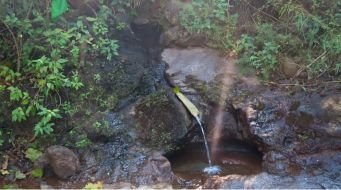
The springs in Akole, Maharashtra, are more than just utility points for humans; they are the ecological heartbeat of the region