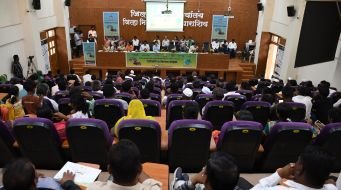
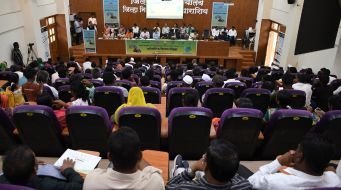
To assess the feasibility of Water Governance Standard and advocate for its integration into programs in Maharashtra related to water resources, a Water Competition (Jal-Spardha) was organised in Dharashiv district.
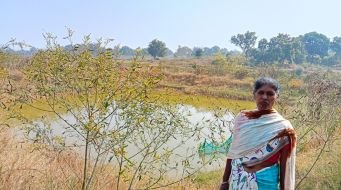
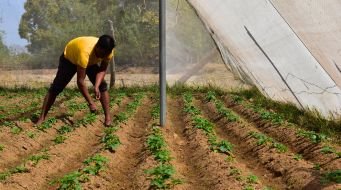
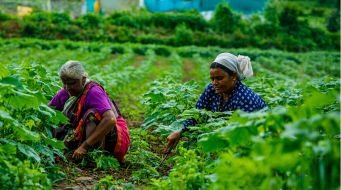
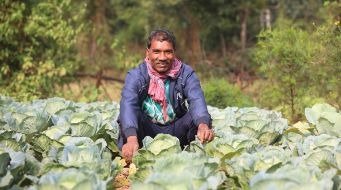
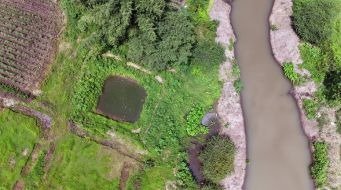
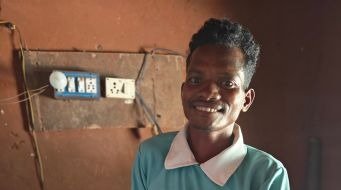
From earning an average of Rs 2,000–3,000 from the one-acre land, Dilphinesh Kunjur’s family income has increased manifold as a result of selling fish from the pond and vegetables that they cultivate around it in Jharkhand
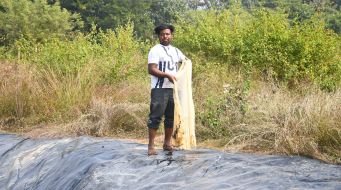
Tigga’s land in Jharkhand was identified by WOTR for intervention and linked to a government scheme for farm pond construction—an initiative that has since transformed his livelihood
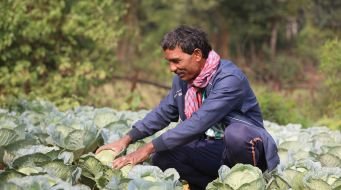
Like many others, Oraon preferred traditional farming methods—but his leap of faith paid off. Now, his success inspires farmers in his village and beyond.
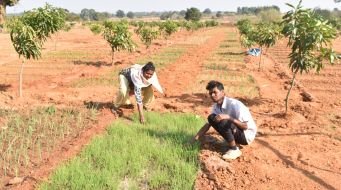
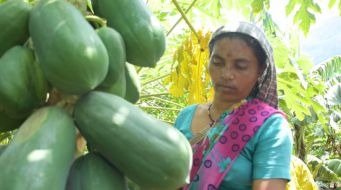
Albinas and Nishi from Jharkhand were given hand-holding support by WOTR to gain access to the MGNREGA scheme and get approvals for their mango plantation. Now, they have emerged as a successful couple in their village.
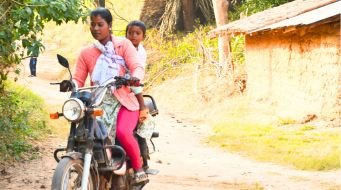
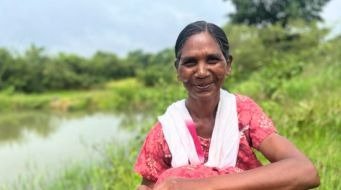
Alma Xalxo, 26, is a Wasundhara Sevika, or Community Resource Person (CRP) with WOTR, acting as a bridge between the organisation and the people in villages.
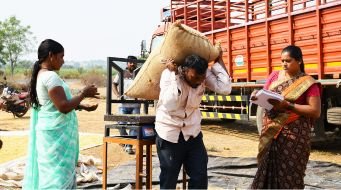
13 women are managing 11 collection centres across five Farmer Producer Companies (FPCs) in Jalna, Maharashtra, all of which deal in maize, connecting with over 1,800 farmers.
Integrated Farming Systems treat the farm not as isolated parts, but as a living ecosystem. Water harvesting, crops, trees, livestock, and fisheries are designed to support each other.
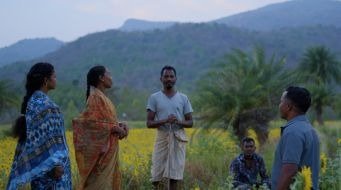
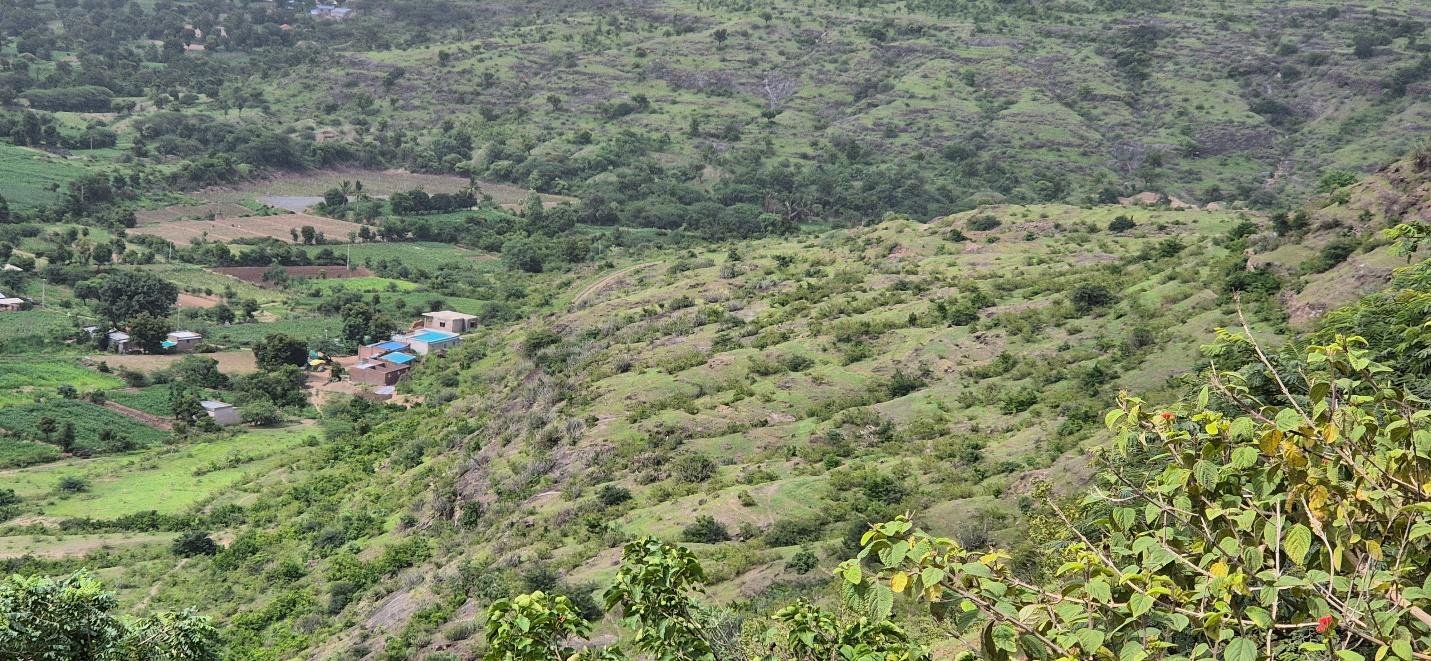
WOTR has helped build lasting water conservation structures, strengthened local governance, and empowered communities in 70 villages to manage their natural resources more sustainably.
This article explores villages where watershed management, conservation, and community participation have shaped a new model of sustainable development.