WOTR & W-CReS, with the support of GIZ, brought together multiple stakeholders, researchers, policymakers, and development practitioners to explore a fundamental question: How do we build resilient food systems in an era of climate uncertainty?
A Better Tomorrow
Stories, Practices, and Solutions
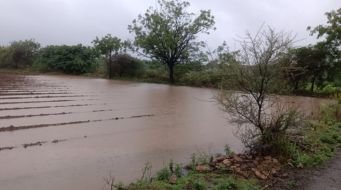
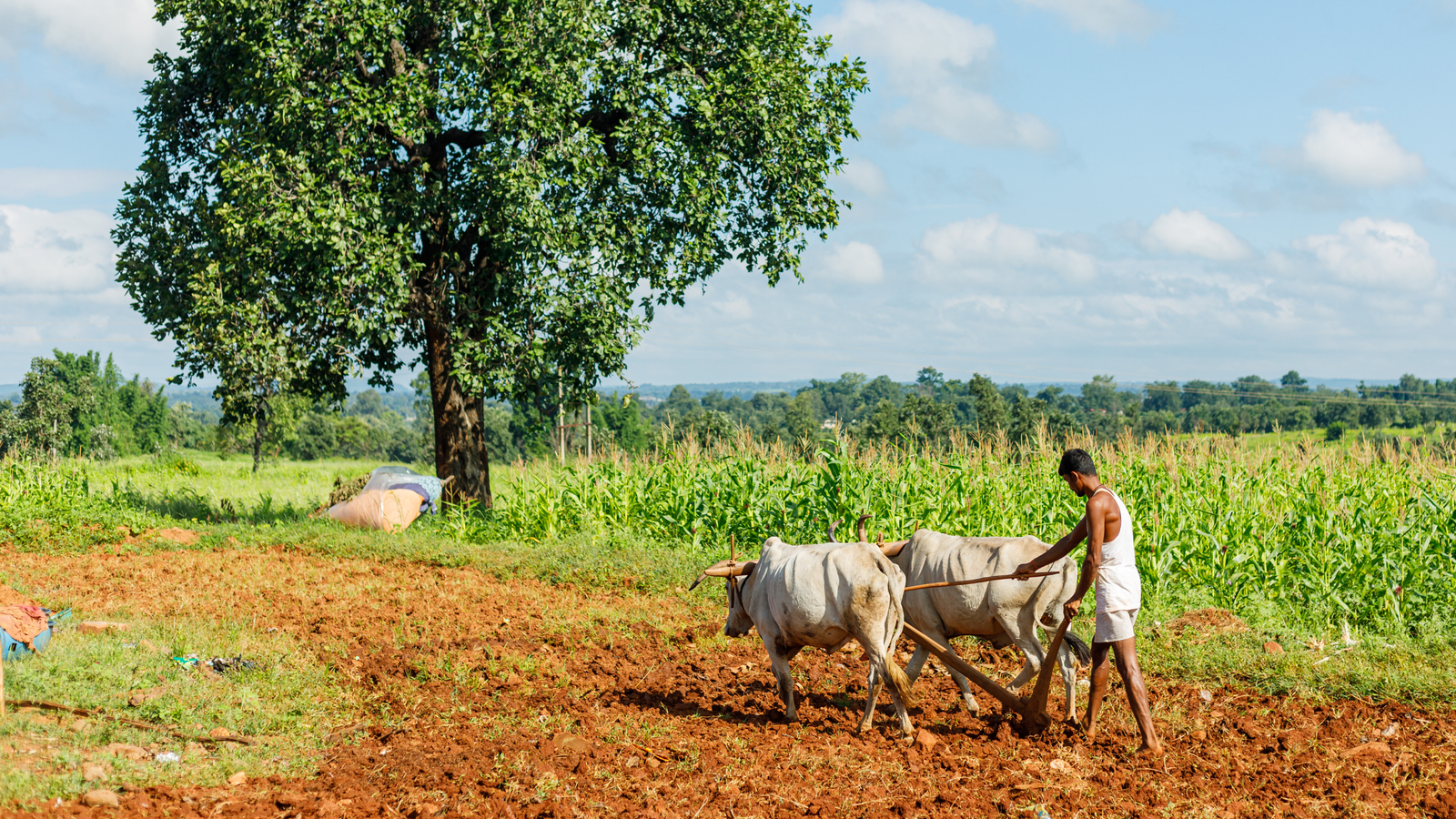
Experts fear early monsoons in Maharashtra could disrupt the sowing and harvesting cycles. We spoke to farmers across Maharashtra to understand their losses, coping strategies, and expectations.
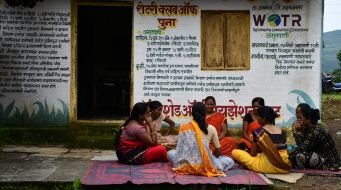
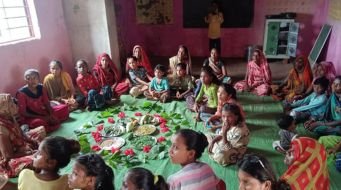
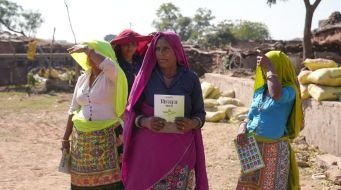
The title ‘Mahila Pravartak’ may sound official, but it captures something far more powerful: a woman changemaker. These women are the backbone of WOTR’s community health efforts—moving door-to-door, to bring real transformation to the communities they serve.
WOTR’s initiatives ensure healthcare access across rural India by combining traditional knowledge with local networks for disseminating information about nutrition, contributing to India’s efforts to provide healthcare access for all citizens.
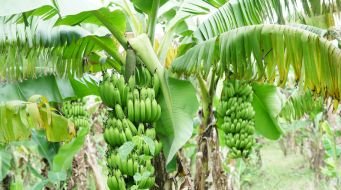
Within a small place, Singaram Budhundu from Telangana and his family members manage a small kitchen garden which provides his family with a steady stream of fruits and vegetables, adds to their nutrition and also boosts the family income
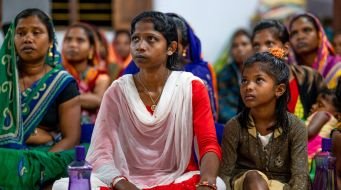
The Watershed Organisation Trust actively participated in Poshan Maah 2024 by implementing several programmes addressing malnutrition and health issues among women and children in India
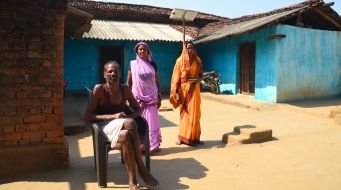
Sahulia Singh’s family, once reliant on a limited diet of rice and potatoes, now grows a variety of vegetables through WOTR’s kitchen garden initiative, improving their nutrition and reducing dependence on distant markets.
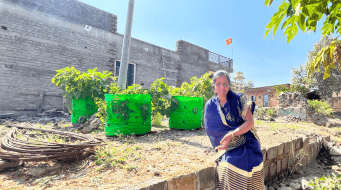
Aruna Ganesh Shivasagar, a resident of Kumbharwadi village, Sangamner, dreamt of growing her own food despite not owning land. With support from WOTR and Axis Bank Foundation’s ‘Sustainable Livelihoods Programme’, she embraced gurney gardening in her front yard. Despite initial skepticism, Aruna successfully cultivated a variety of vegetables, reaping a harvest within three months.
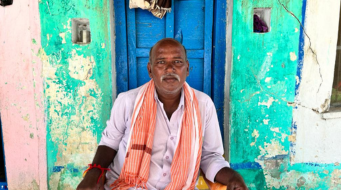
Singaram Budhundu, 58, is a marginal farmer who lives with his family of 8 in Chinnajetram village in Narayanpet, Telangana. He owns 2 acres of land, where he grows rice and red gram. Within a small place, Budhundu and his family members manage a small kitchen garden and grow vegetables like red chillies, brinjal, tomatoes, okra and cauliflower using water from the household tap.
Aligned with WOTR’s mission to enhance the livelihoods of small and marginalised farmers, FPOs facilitate collective action, promote sustainable farming practices, and provide better market access. This article outlines the critical role FPOs play in strengthening food systems and ensuring food security and highlights their relevance to WOTR’s initiatives.
By Categories
By Tags
In our Must Watch – From the Archives collection, we revisit powerful films that chronicle 32 years of transformation. These stories capture the resilience of rural communities, the strength of collective action and the quiet yet lasting change that numbers alone can’t express.
How Karauli farmers stopped soil erosion using traditional Pagaras, community action, and climate-smart farming to restore land, livelihoods, and resilience
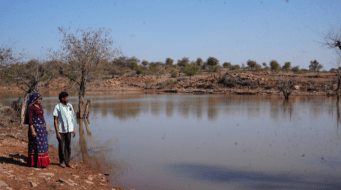
From dust-filled mines to life-giving ponds, Karauli’s communities revive water, farming, dignity, and hope through collective climate resilience efforts
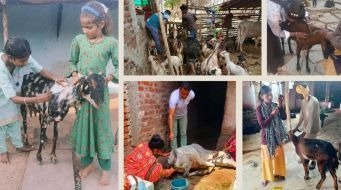
Discover how Pashu Sakhi members transform rural India through doorstep livestock care, stronger livelihoods, healthier animals, and resilient farming communities.
Exploring sustainable farming, social inequality, and policy failures, urging humility and community-led solutions in agriculture and development sector with Dr Divya Veluguri.
Innovation once drove survival and growth. Now, amid climate stress and inequality, it must shift toward impact, resilience, and long-term sustainability.
WOTR’s Annual Report 2024-25, Roots & Resilience, highlights rural resilience through science, technology, and tradition.
Across India, disasters are no longer singular events but a polycrisis—where climate extremes, ecological degradation, water stress, and livelihood insecurity interact and amplify one another