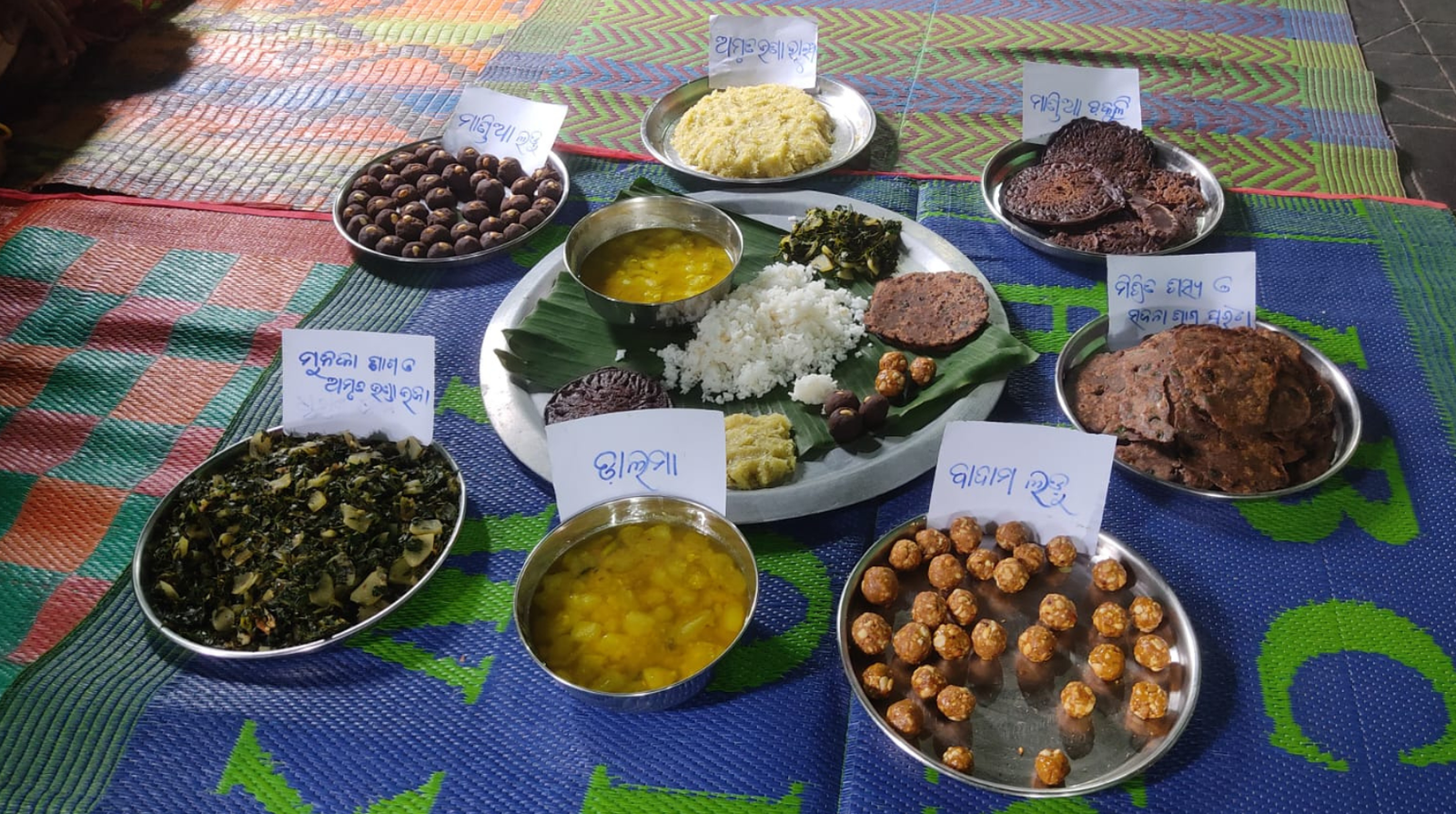
The Raan Bhaji festival celebrates indigenous, wild edible plants used in local cuisine, highlighting the ancient diet of human civilisations. Wild Edible Plants (WEPs) thrive independently, predating modern agriculture. WEPs are integral to the sustenance of traditional and indigenous food methodologies, particularly within rural and
A Better Tomorrow
Stories, Practices, and Solutions
Achieving food security in India with 17.7% of the world’s population but only 2.4% of its land1 is a daunting task. Despite an estimated food production of 314 million metric tons in 2021-2022, the country still faces the challenge of feeding its
India, with a population of 1.4 billion, has long been concerned with ensuring food security. Despite recent economic growth, the country continues to face challenges in eradicating hunger. Maharashtra, one of India’s largest states in terms of area and
A webinar on ‘Promoting FPOs for resilient incomes and sustainable farming practices in India’ brought together practitioners and experts to discuss emergent challenges and opportunities related to Farmer Producer Organisations (FPOs) and
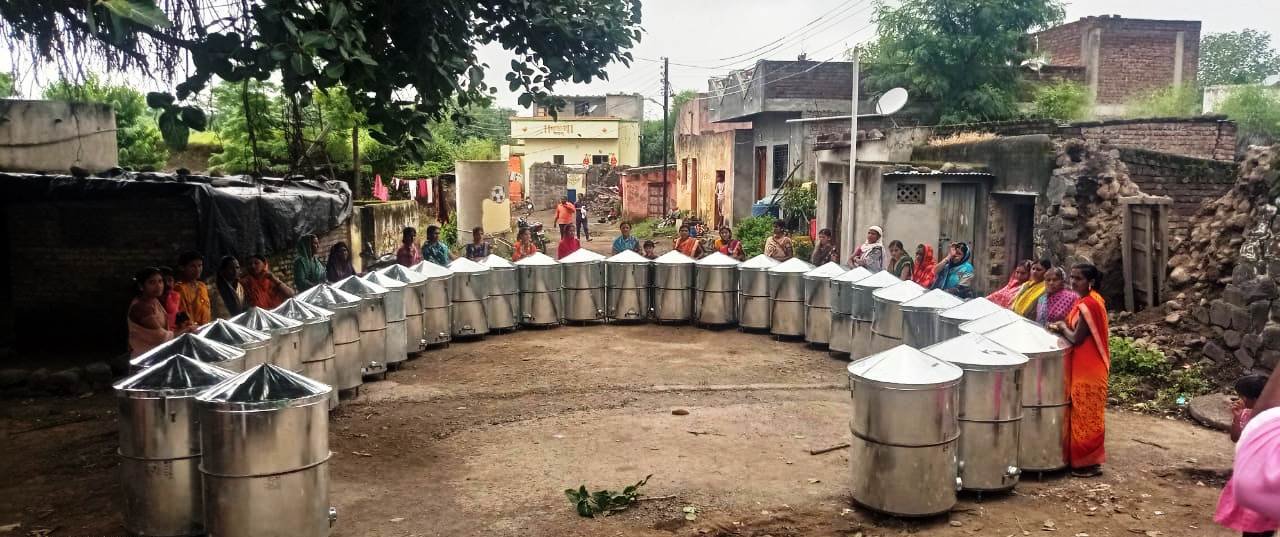
For rural households that are primarily dependent on agriculture, grain storage units made from steel and aluminium offer relief from time poverty and save women the effort of continuous grain monitoring. The time gained
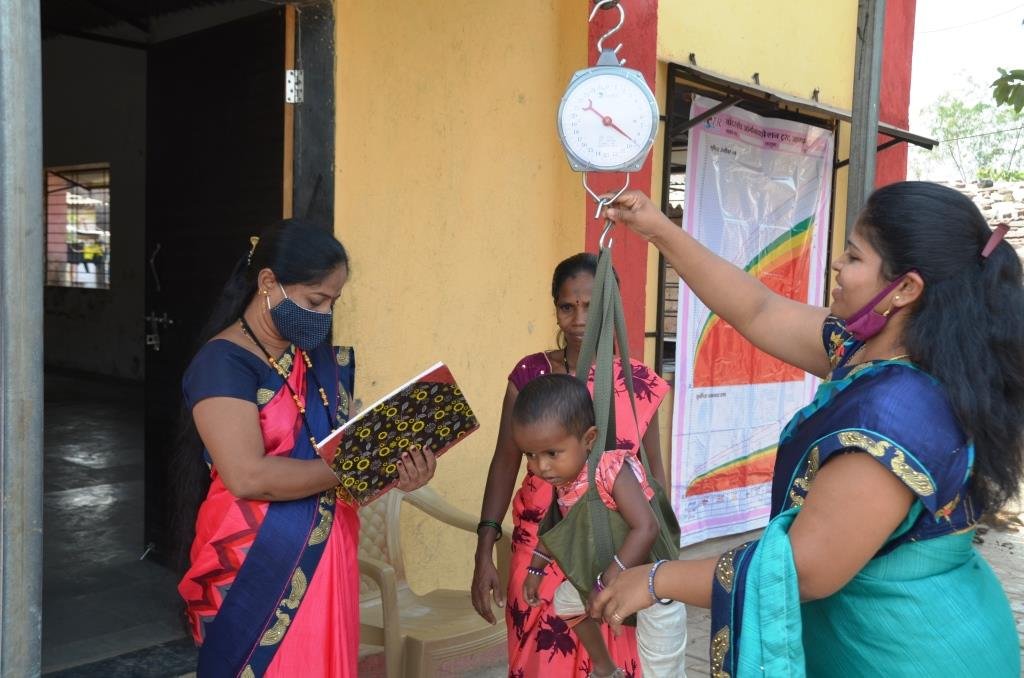
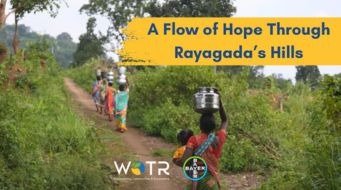
According to the HUNGaMA (Hunger and Malnutrition) Survey, almost one in every five children in 112 districts of India is at risk of malnutrition. Rayagada in Odisha is one such district that is majorly occupied by the Khonds and Lanjia Soras tribes.
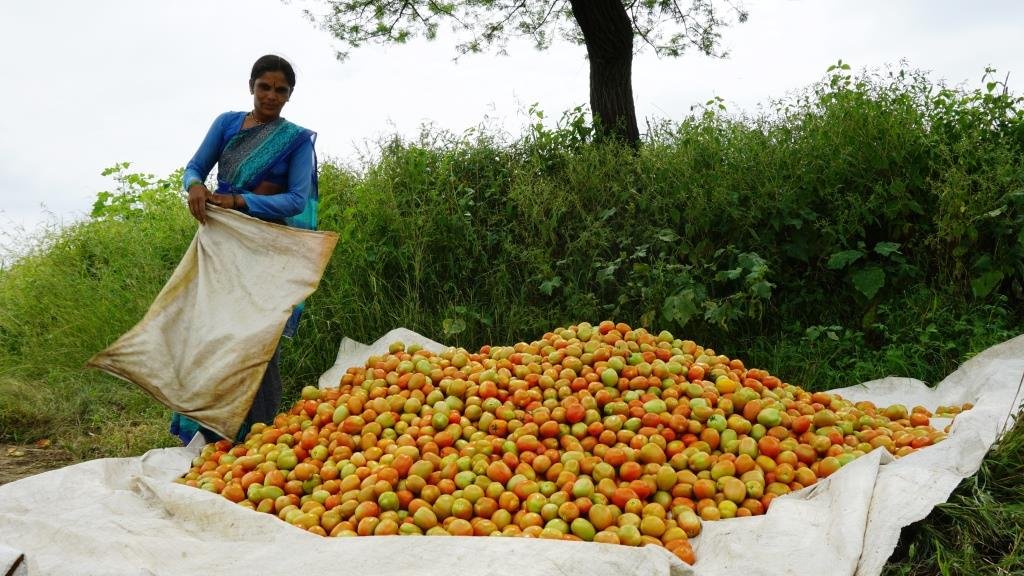
The villages in the Murhu block of Jharkhand are mainly occupied by members of the Munda tribe. Traditionally, these small landholding farmers cultivate paddy and lac—a natural resin secreted by the lac insect. However, in recent years they have also adapted to the cultivation of tomatoes, watermelon and potatoes.
By Categories
By Tags
When we mix weather,climate and climate change terms together, it can lead to confusion about what actually caused an event, who is responsible, and what actions are most effective
Explore WOTR’s 13-year journey across villages in Odisha, reaching over one lakh people through community-led watershed and livelihood interventions.
The Global South is being asked to shoulder the world’s nature and climate ambitions while global finance continues to move decisively in the opposite direction.
Read a collection blogs which brings together five stories from WOTR’s blog, shaped by the everyday lives, struggles, and choices of people in rural India. Told from the ground up, these pieces reflect moments of resilience, learning, and collective effort around water, livelihoods, and social change.
A water storage capacity of 2.5 million litres was created, bringing 64.25 acres of barren land back under cultivation while reducing soil erosion and improving groundwater recharge.
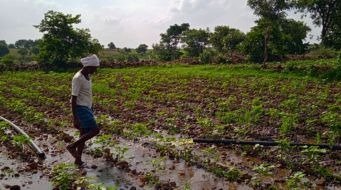
Maruti implemented a series of watershed interventions, including a farm pond and Water Absorption Trenches (WATs) to prevent surface runoff and recharge the aquifers
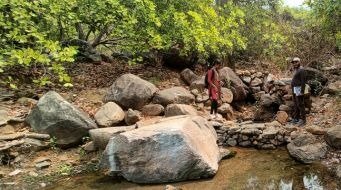
The Kadasi Revenue village in Odisha, which gets water from five springs, provided a closer look at the interplay between nature, community, and water resources to W-CReS researcher Navnath Ghodake during his field visit.
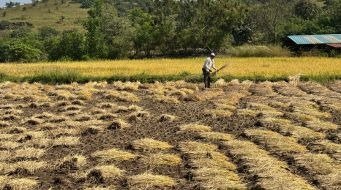
Farmers in rural Maharashtra are transforming their harvests and building climate resilience through innovative crop protection and sustainable agricultural growth.