In the complex world of development projects, designing a Monitoring and Evaluation (M&E) Framework is a critical step towards ensuring successful outcomes. This framework not only tracks progress but also ensures that the intended benefits reach the targeted communities effectively.
A Better Tomorrow
Stories, Practices, and Solutions
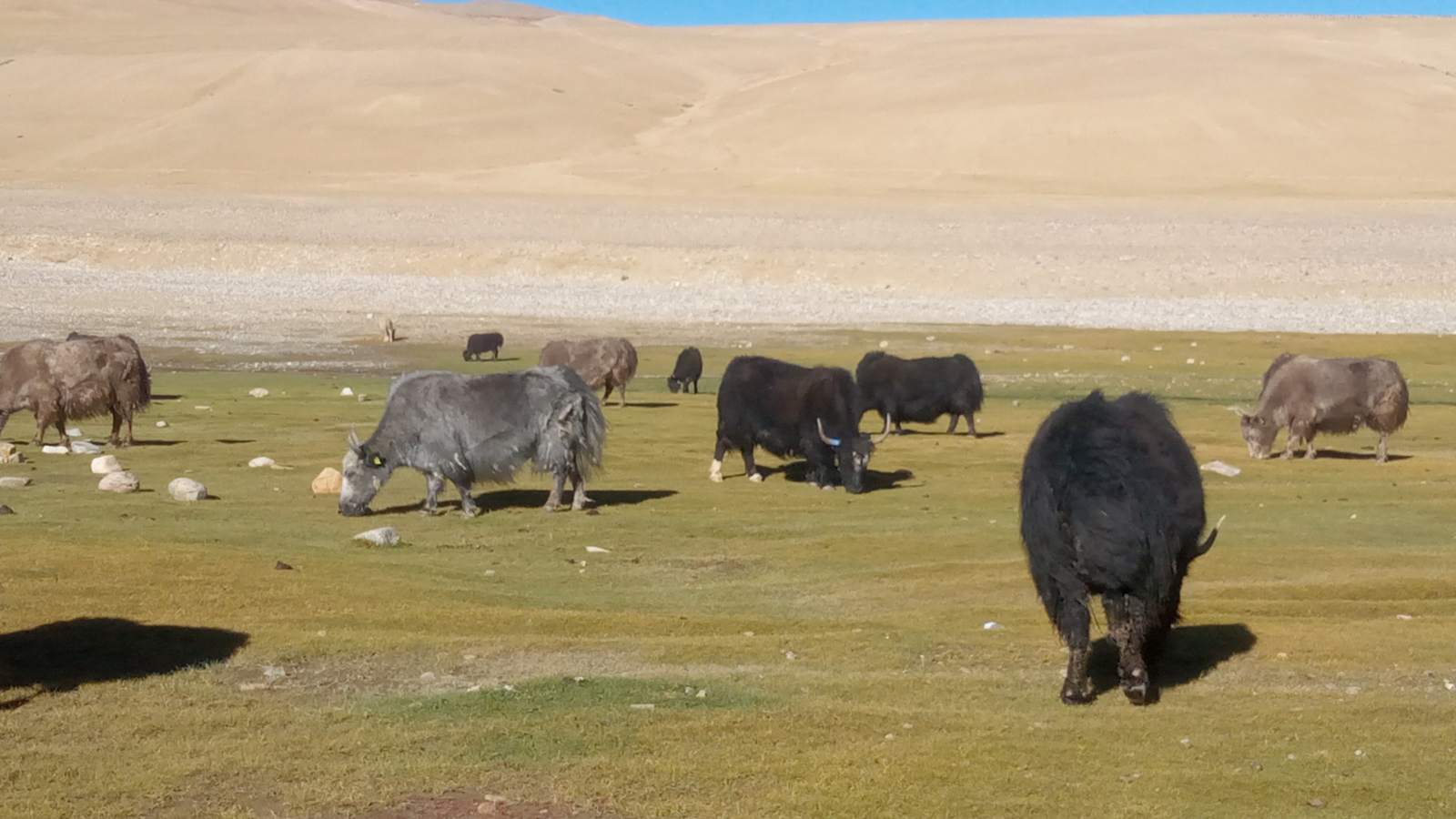
This blog delves into the lives of the Changpa community, a near-invisible pastoral nomadic community in Ladakh and a group largely unknown to mainstream society.
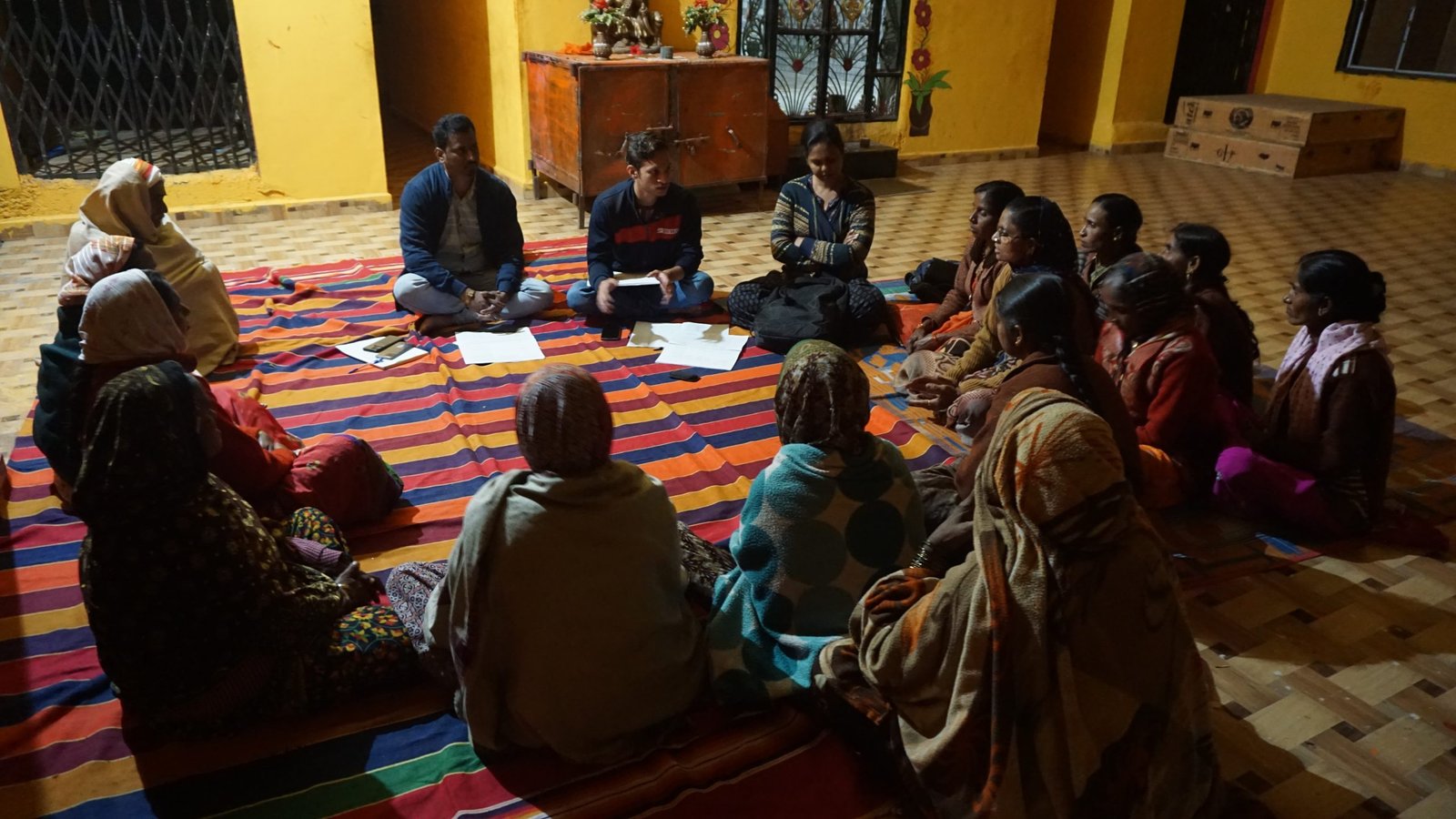
WOTR’s innovative CoDriVE-PD (Community Driven Vulnerability Evaluation – Programme Designer) approach breaks away from conventional methods by actively involving communities in the data collection process, recognizing that community
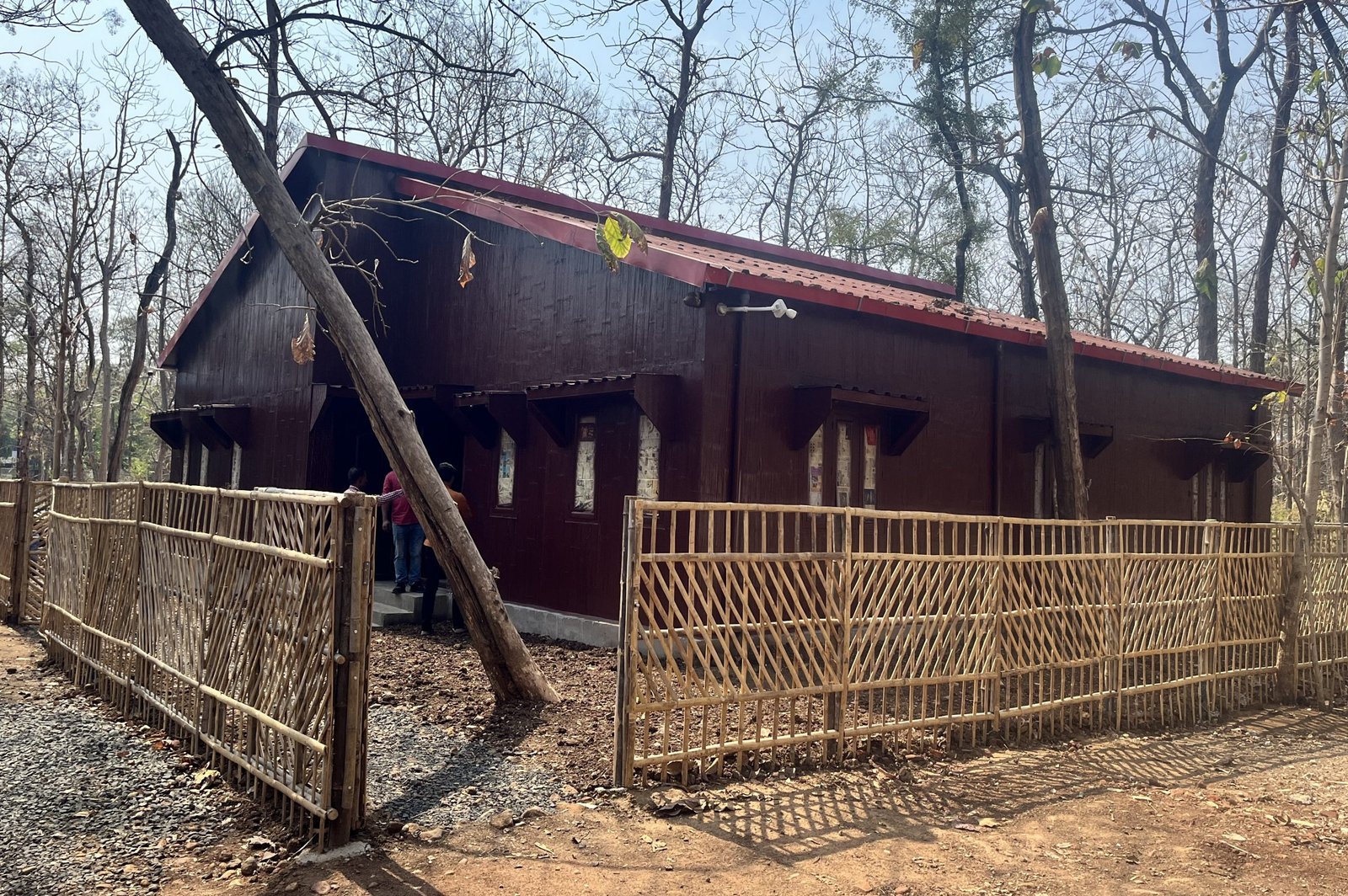
This incident is from the picturesque village of Purushwadi, nestled among the majestic Sahyadri mountain range in Maharashtra. It was the peak of summer and we, from the Biodiversity and Ecology team of W-CReS, had arrived to collect pre-
Menstruation is a natural process that marks the transition from adolescence to womanhood, and it plays a vital role in women’s reproductive health. Did you know that on average, women spend about five years of their lives menstruating? Taking care of
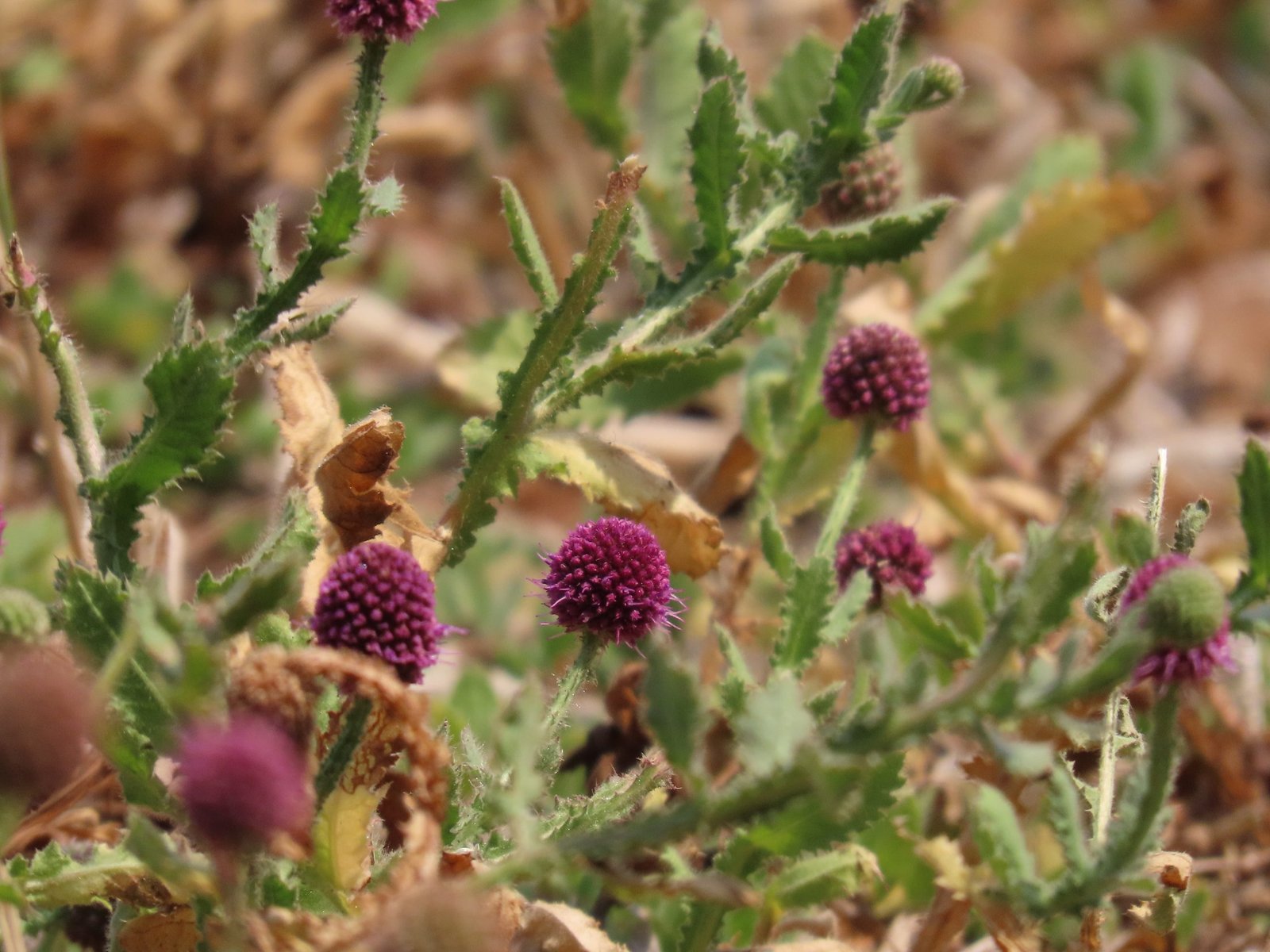
Native plant species, those which naturally inhabit a certain region, state, ecosystem, or habitat without human intervention, have historically been integral to human livelihoods. For many, these plants are not merely part of the landscape but woven into their

In the context of action research, the Research into Use (RiU) approach plays an important role in engaging and involving the communities in the research process and communicating research findings for enabling their decision making or
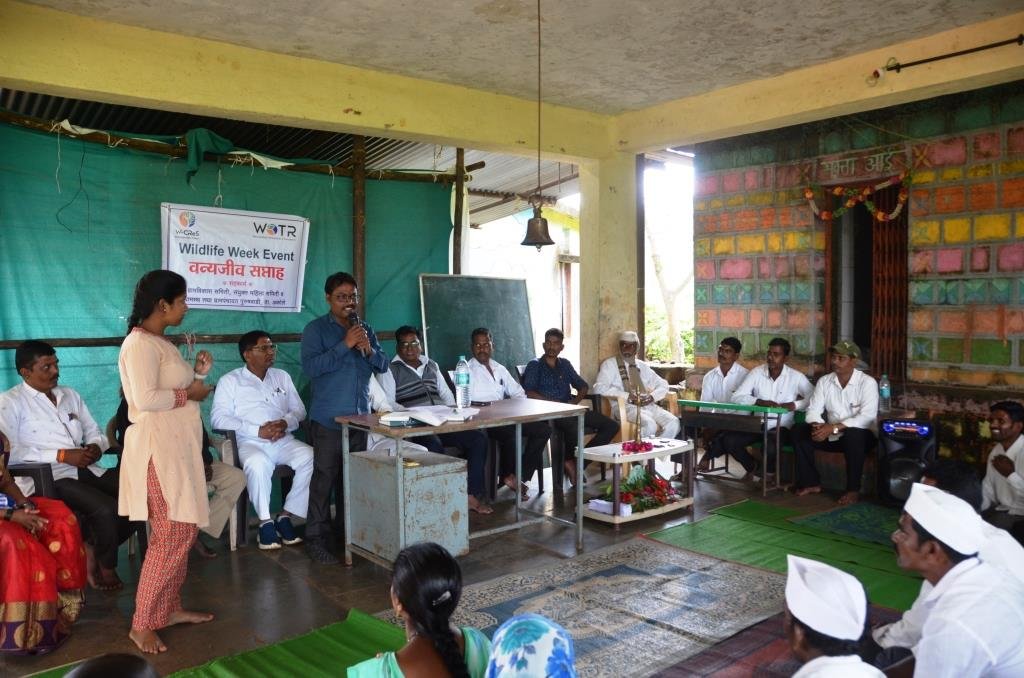
Wildlife Week is observed annually in the first week of October. This week encourages us to reflect on the larger ecosystem and our relationship with it, with the goal of promoting wildlife conservation and protection. WOTR celebrated this occasion with villages
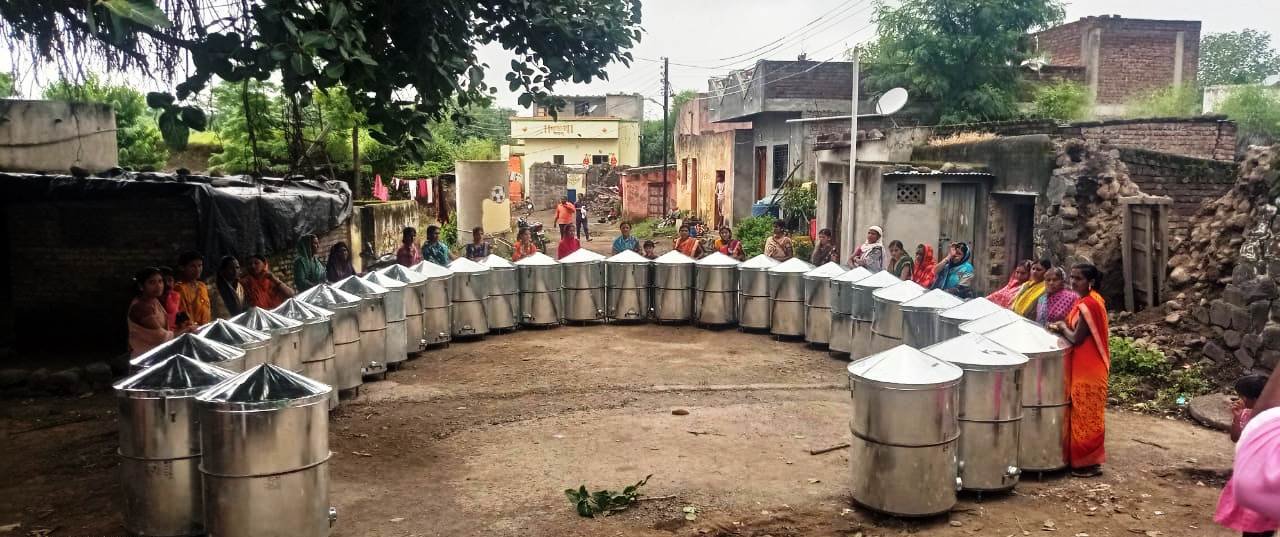
For rural households that are primarily dependent on agriculture, grain storage units made from steel and aluminium offer relief from time poverty and save women the effort of continuous grain monitoring. The time gained
By Categories
By Tags
In our Must Watch – From the Archives collection, we revisit powerful films that chronicle 32 years of transformation. These stories capture the resilience of rural communities, the strength of collective action and the quiet yet lasting change that numbers alone can’t express.
How Karauli farmers stopped soil erosion using traditional Pagaras, community action, and climate-smart farming to restore land, livelihoods, and resilience
From dust-filled mines to life-giving ponds, Karauli’s communities revive water, farming, dignity, and hope through collective climate resilience efforts
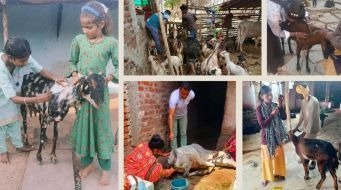
Discover how Pashu Sakhi members transform rural India through doorstep livestock care, stronger livelihoods, healthier animals, and resilient farming communities.
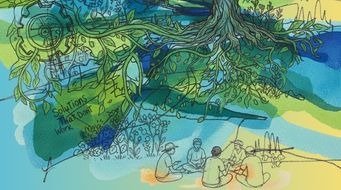
Exploring sustainable farming, social inequality, and policy failures, urging humility and community-led solutions in agriculture and development sector with Dr Divya Veluguri.
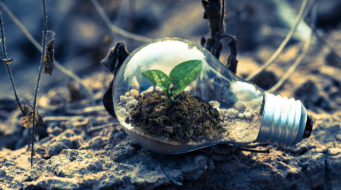
Innovation once drove survival and growth. Now, amid climate stress and inequality, it must shift toward impact, resilience, and long-term sustainability.
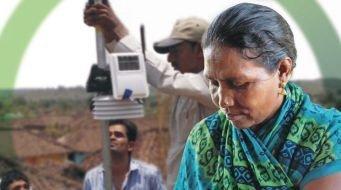
WOTR’s Annual Report 2024-25, Roots & Resilience, highlights rural resilience through science, technology, and tradition.
Across India, disasters are no longer singular events but a polycrisis—where climate extremes, ecological degradation, water stress, and livelihood insecurity interact and amplify one another