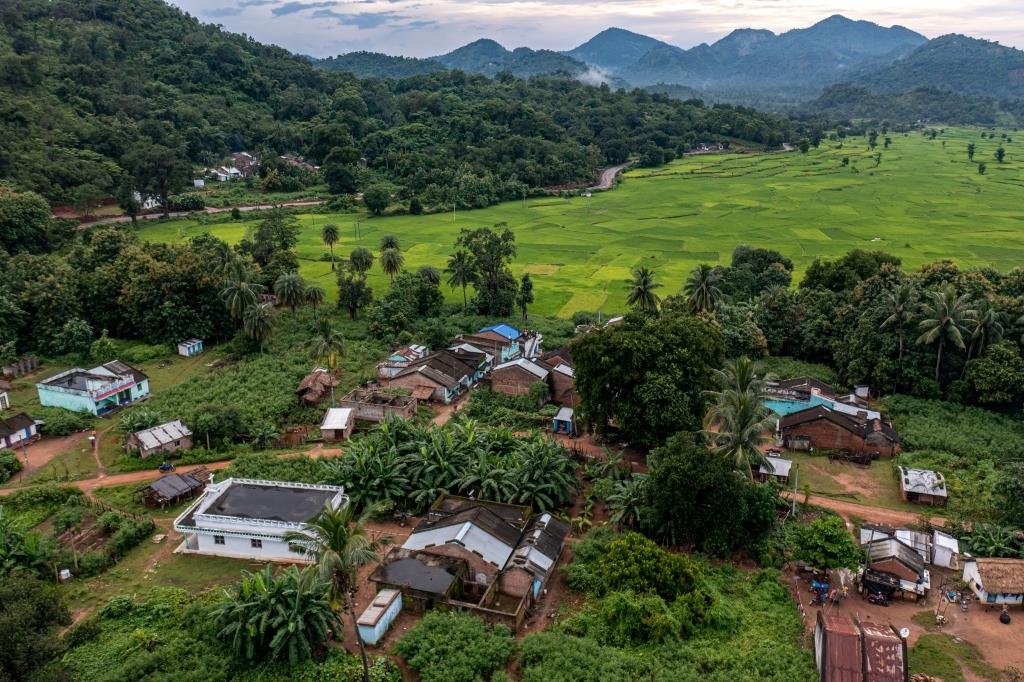
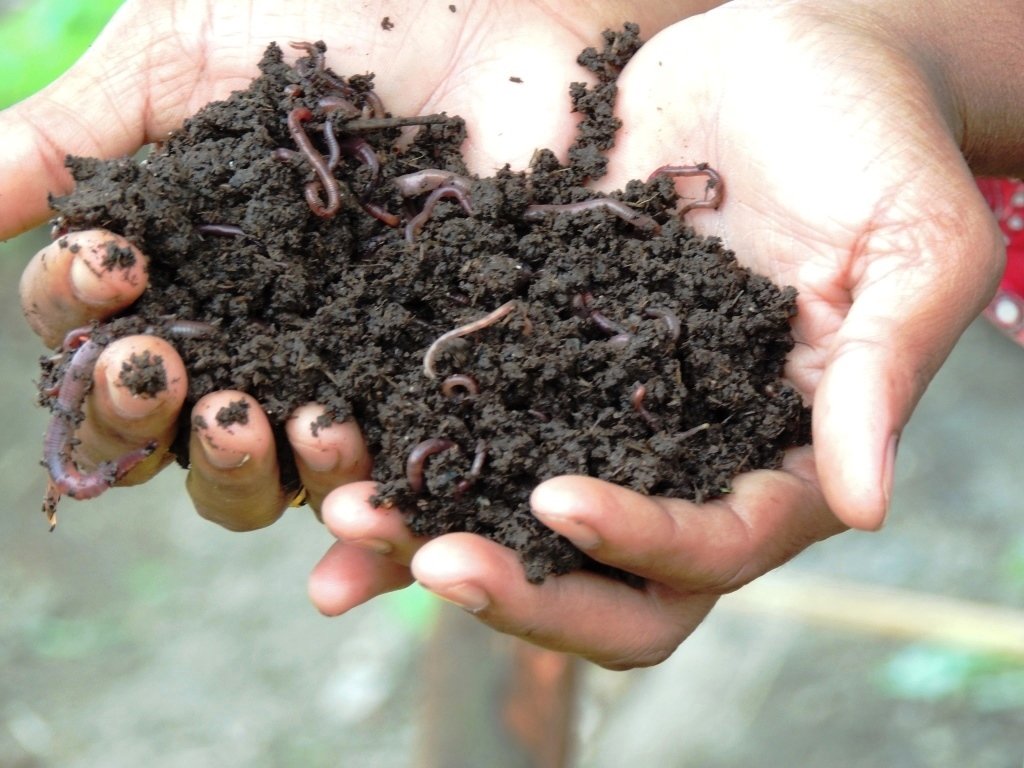
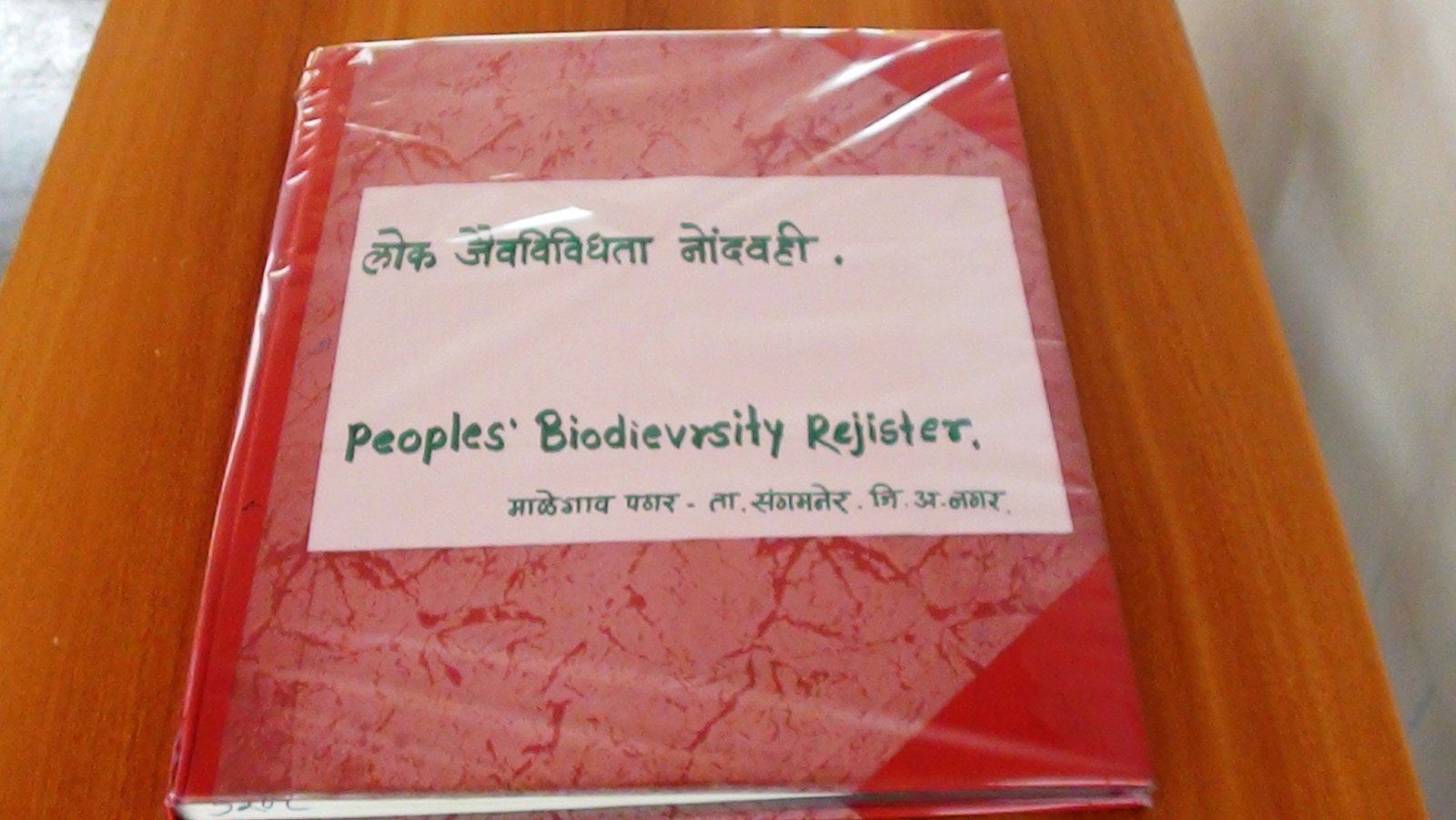
Life is nothing if not diverse! And so is the world around us. From the thick, all-encompassing worldly banyan trees to the thin films of algae that floats on water surfaces, from the gorgeous, speckled butterflies to the slimy brown bugs that feast on
An Environment is a setting in which plants, animals, humans, bacteria, etc. (biotic components) interact with abiotic components such as water, soil, and atmosphere. The interaction happens as per each component’s characteristics, features
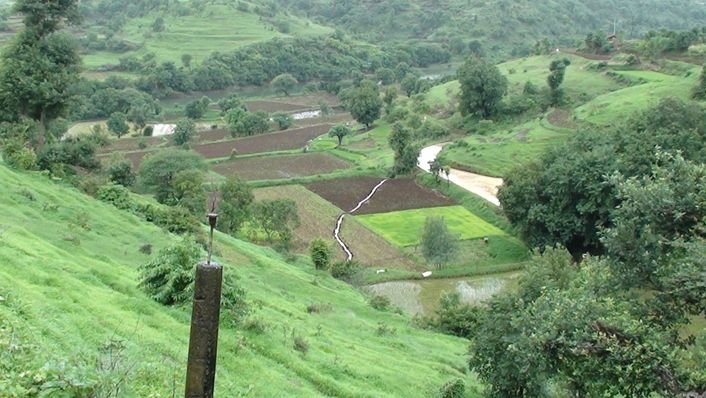
People in the rural rainfed areas of India are facing multiple challenges- degradation of land and other natural resources, water scarcity, lack of social empowerment and welfare, unequal distribution of the wealth, high level of vulnerability to climate change,
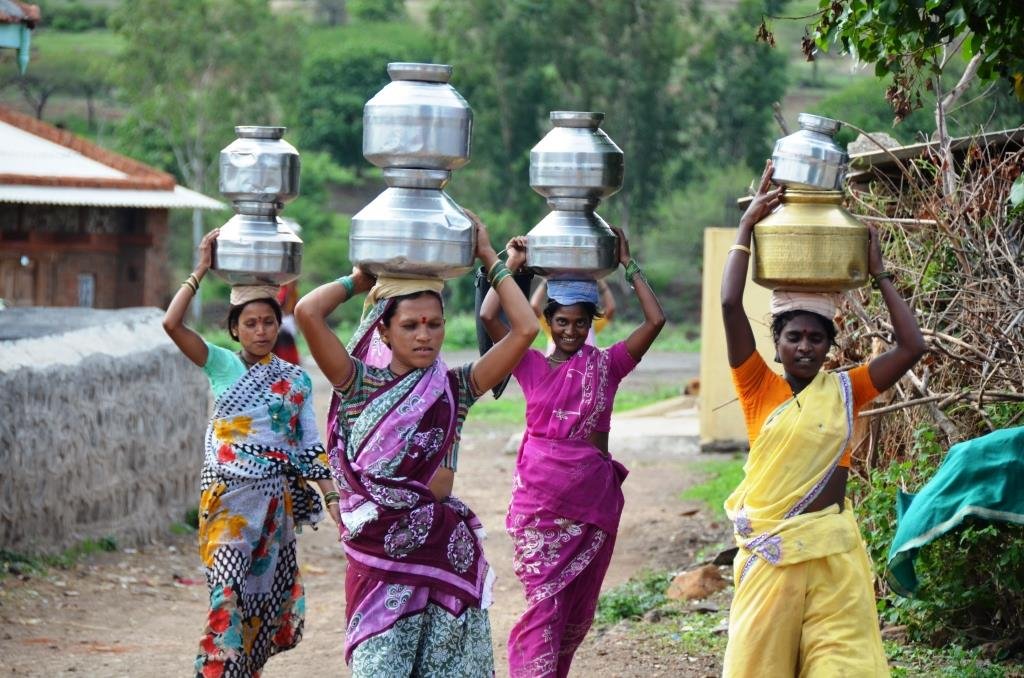
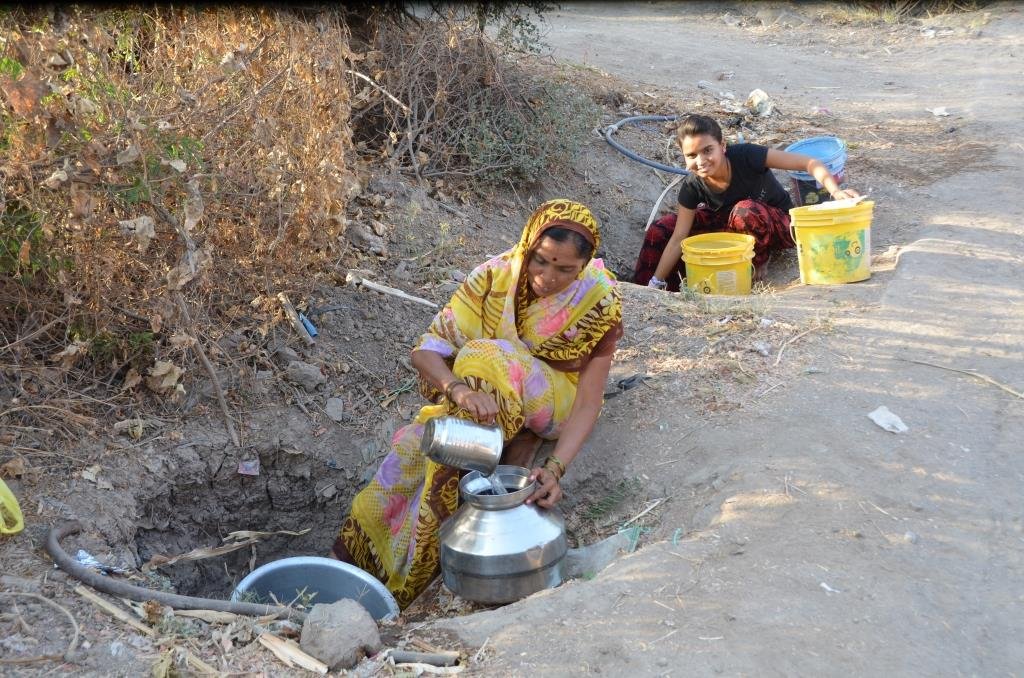
Water is a finite resource. Perhaps a tad difficult to believe, when each year, the dark clouds gather to bring in the fresh, glorious monsoon rains and the rivers and lakes gurgle and overflow bountifully. But this is nature at its efficient best, recycling and
The water flowing beneath the surface is the largest source of fresh water on the planet. This “hidden resource” accounts for just 0.62% of the total water and 30% of the freshwater available on earth. Water availability, or the lack of it, is a cross-cutting issue.
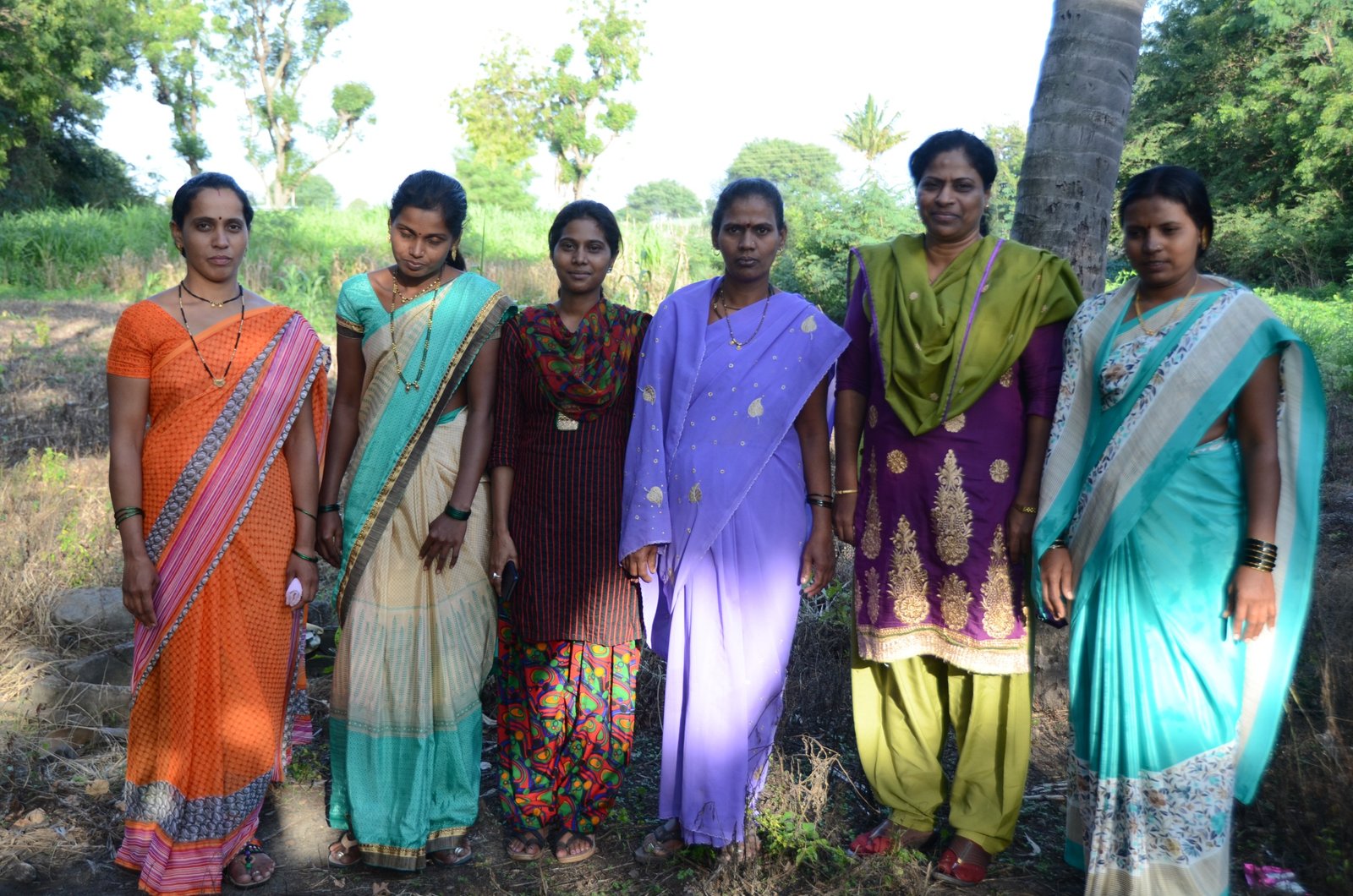
Gender stereotypes have shaped expectations and defined roles that have been stitched tightly into the seam of rural fabric. Given the centrality of gender equality to climate or development goals, ripping the biases out will be imperative. While there’s no quick fix to this, addressing the following overarching biases could be a start
Gender inclusiveness and women empowerment has garnered strong support globally, especially in the last couple of decades, and rightly so. Women are pivotal to the progress of a nation and play a key role in defining the culture of a society.
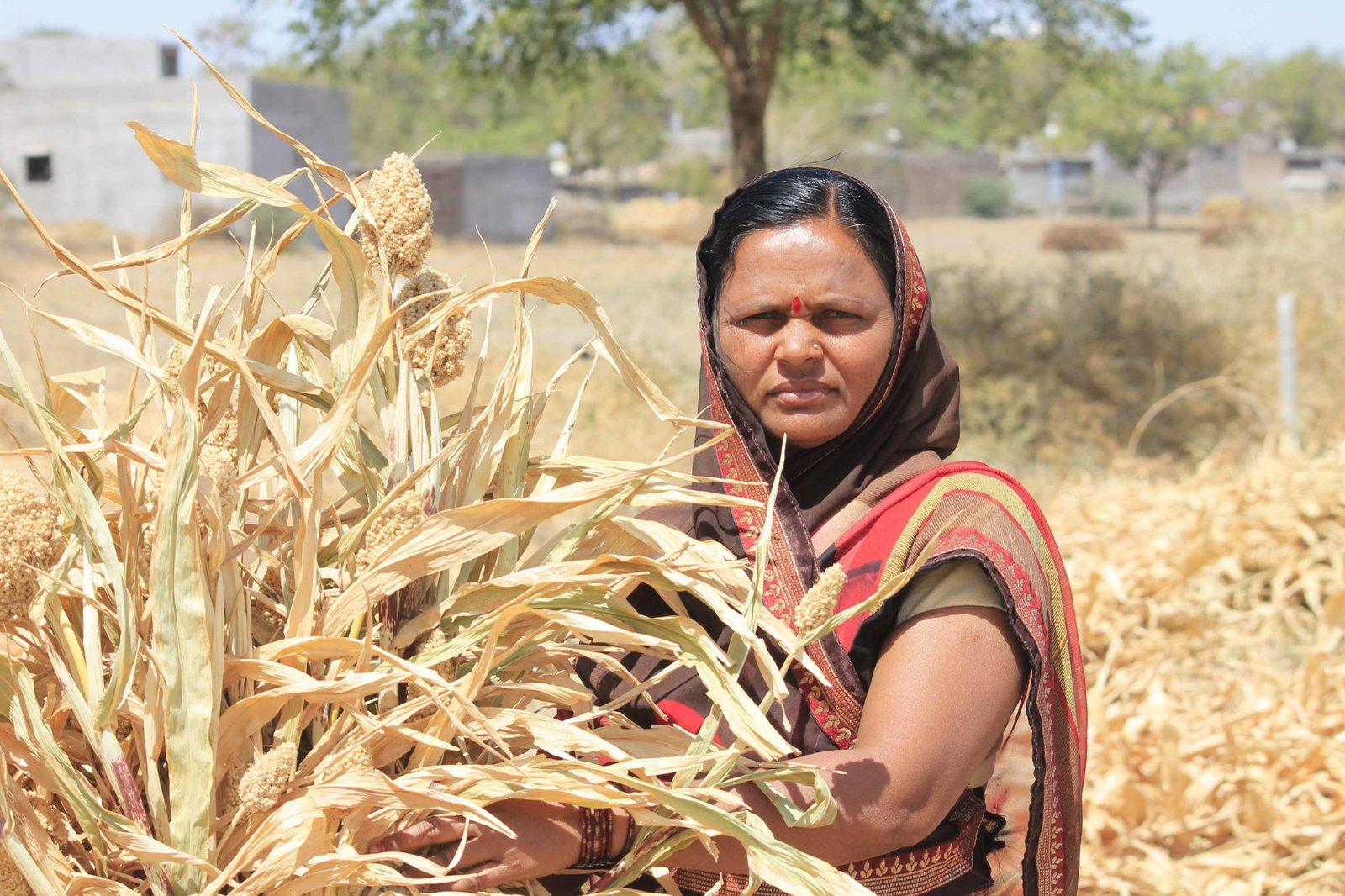
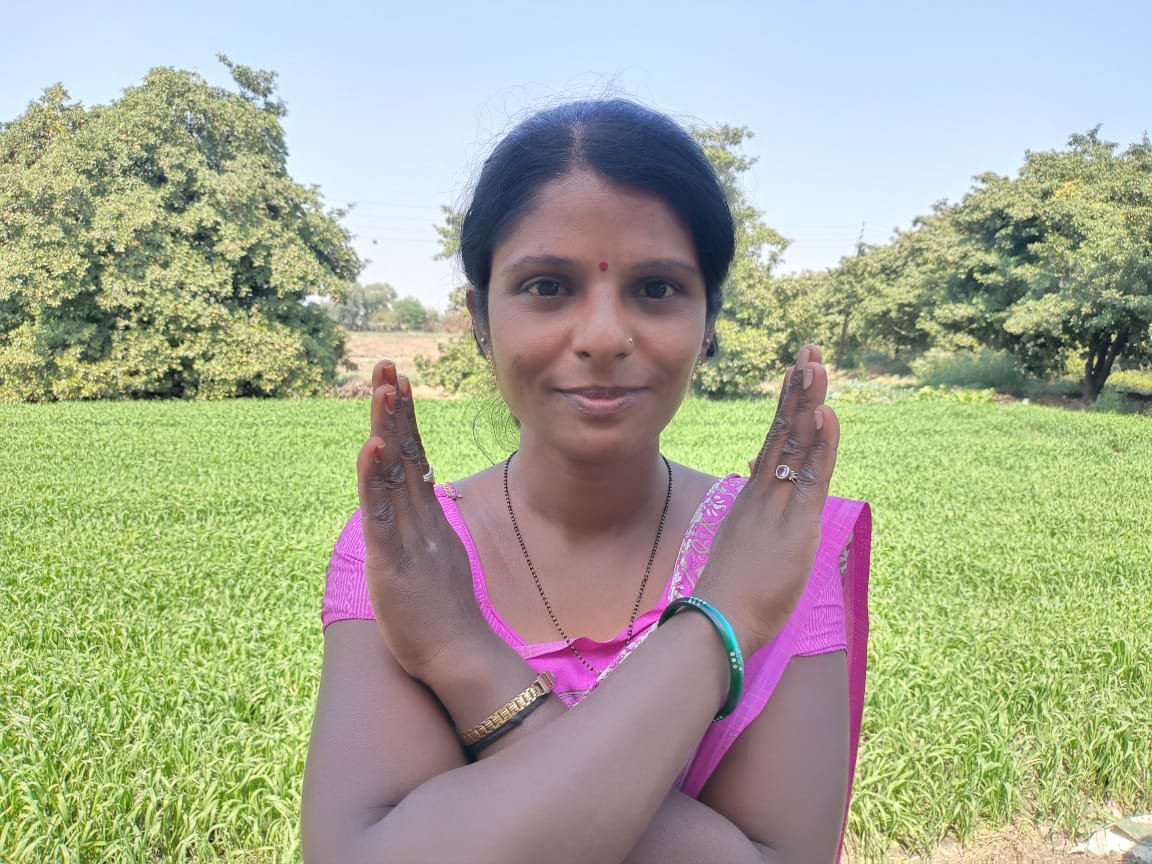
Climate change itself may be gender-neutral, but any action we need to take for adaptation cannot be anything but women-centric. Climate action cannot do without women. The reasons are endless, but let me bring out the five specific ones, and all of them have to do with every day and straightforward logic.
W-CReS researchers’ journey across Maharashtra documenting good O&M practices turned into a travel across diverse terrains and lived realities, with each step testing perception and decision-making
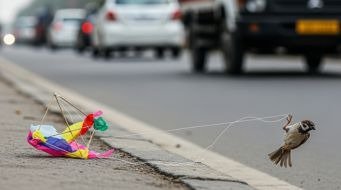
The growing use of synthetic and glass-coated kite thread, commonly known as manjha, has turned a leisure activity into a serious public safety and environmental issue
In rain-dependent landscapes, Participatory Net Planning puts people at the centre of watershed decisions, building ownership that lasts beyond projects, it creates site-specific solutions that strengthen livelihoods.
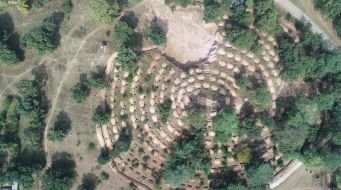
Trees Transform Nallavelly village as 10,000 saplings revive barren drylands through community action, scientific planning, and sustainable rural afforestation.