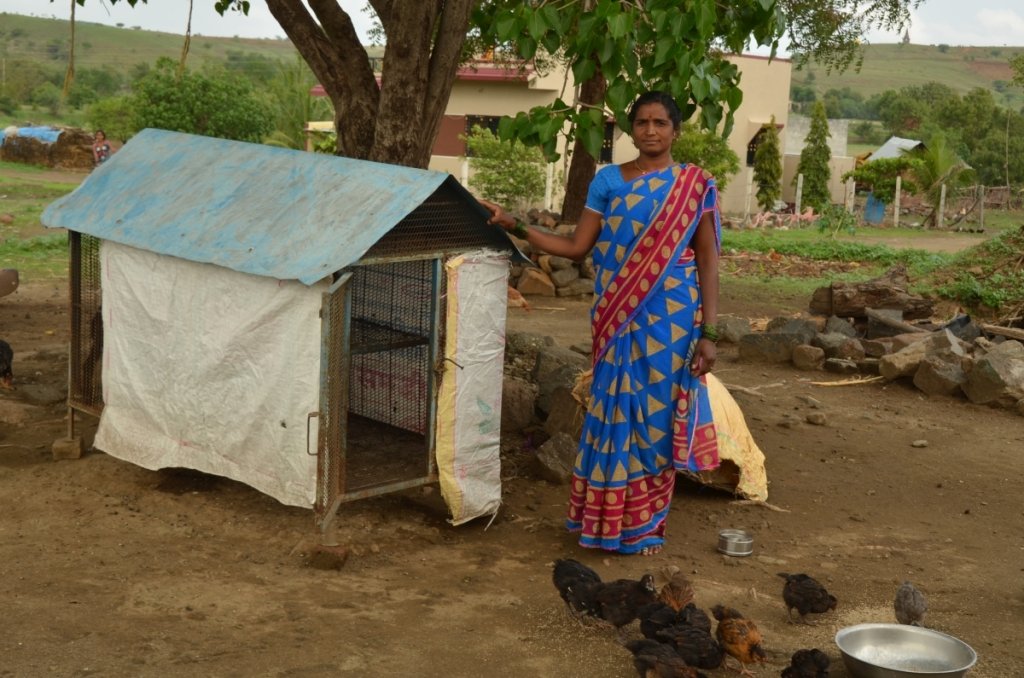
The world came crashing down for Kamalakola when she lost her husband to malaria. “He worked in a textile mill in Surat. His income was huge support for the family,” said Kamalakola Nayak, resident of Luduludi village in Ganjam district of Odisha.
A Better Tomorrow
Stories, Practices, and Solutions
Making dona-pattal (dishes) out of tree leaves is a common activity for several tribal villages in Madhya Pradesh. Women are often seen doing this activity which is not only eco-friendly but also a source of income generation for many families.
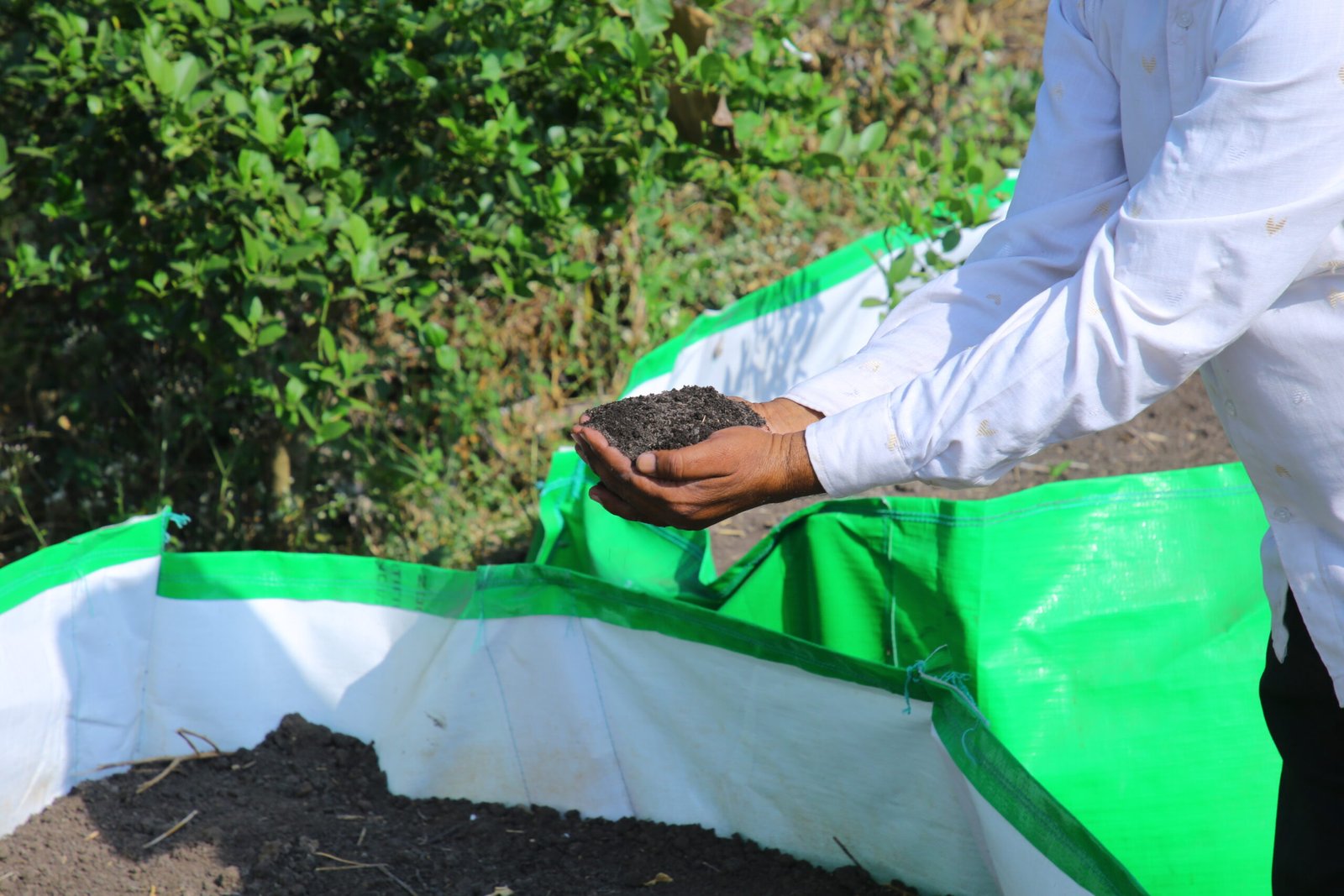
Santosh Salve was on cloud nine when WOTR began its work in the Ambad block of Jalna district in Maharashtra. As WOTR started working with the local community to promote climate-resilient agriculture, Santosh approached the team with a specific interest – building a low-cost setup to prepare vermicompost.
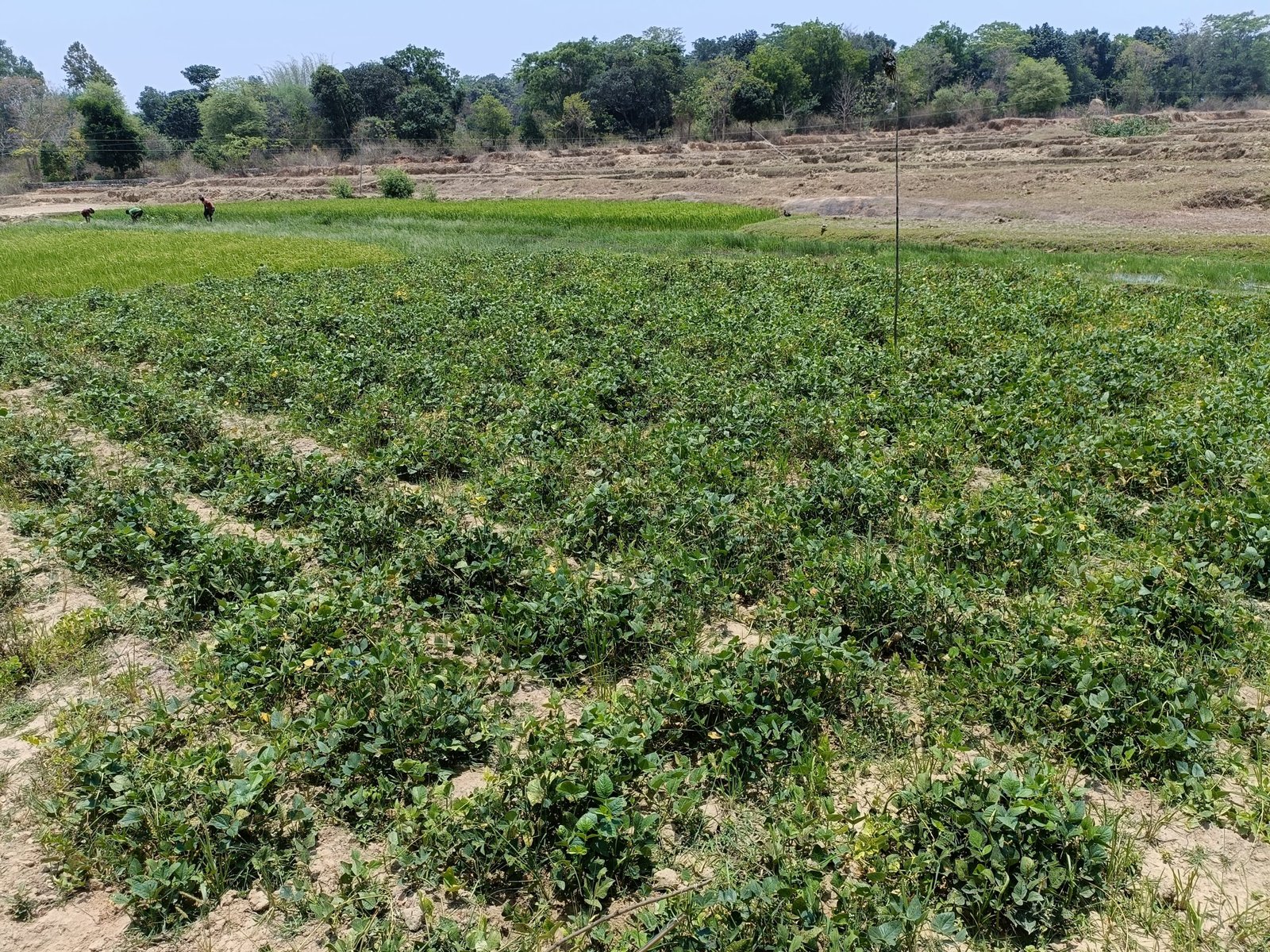
The villages in the Murhu block of Jharkhand are mainly occupied by members of the Munda tribe. Traditionally, these small landholding farmers cultivate paddy and lac—a natural resin secreted by the lac insect. However, in recent years they have also adapted to the cultivation of tomatoes, watermelon and potatoes.
Raising daily wage work is the second-highest source of income, followed by agriculture. However, as agriculture becomes less remunerative due to an increase in the cost of cultivation and fewer crop returns from climate change, alternate livelihoods f
By Categories
By Tags
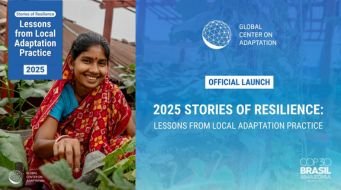
Drawing from work with smallholder farmers—from Kumbharwadi in Maharashtra to Madaul in Odisha—WOTR has contributed key experiences, insights, and evidence to the Stories of Resilience 2025, a publication launched by the Global Centre on Adaptation (GCA) at the United Nations Climate Change Conference in Belém, Brazil.
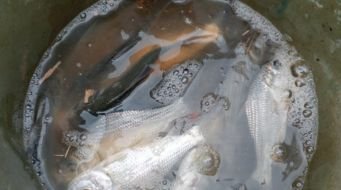
How can smallholders farm fish while safeguarding their local ecosystems? One promising answer lies in farm ponds.
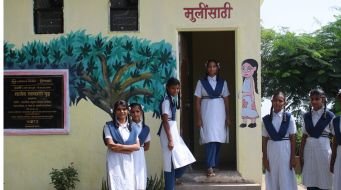
Read how a school, and ultimately an entire village in Maharashtra, was transformed with clean toilets
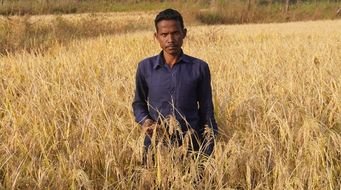
Phool’s journey from uncertain, monocropping to stable, climate-resilient agriculture shows how access to irrigation, diversification, and community support can transform livelihoods.
Grasslands are often mistaken for empty lands needing trees, but they are rich, climate-resilient ecosystems. Understanding their unique biodiversity, carbon storage, and cultural value is essential to ensuring conservation efforts don’t unintentionally cause harm.
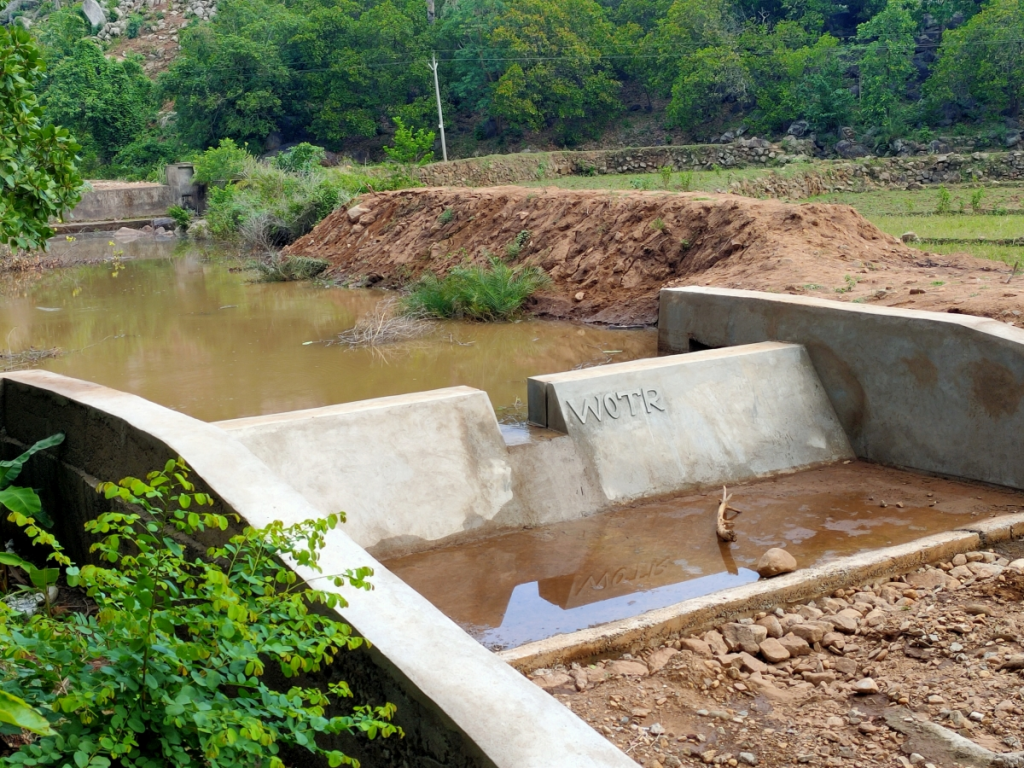
Making every drop count in Maharashtra’s rainshadow.
Recently, multiple large-scale awareness campaigns were conducted in 15 villages across diverse regions of Rangareddy and Jalna districts in Telangana and Maharashtra, respectively, where the Water Stewardship Initiative (WSI) is being implemented.
UNEP highlights the growing divide between climate impacts and adaptation finance.