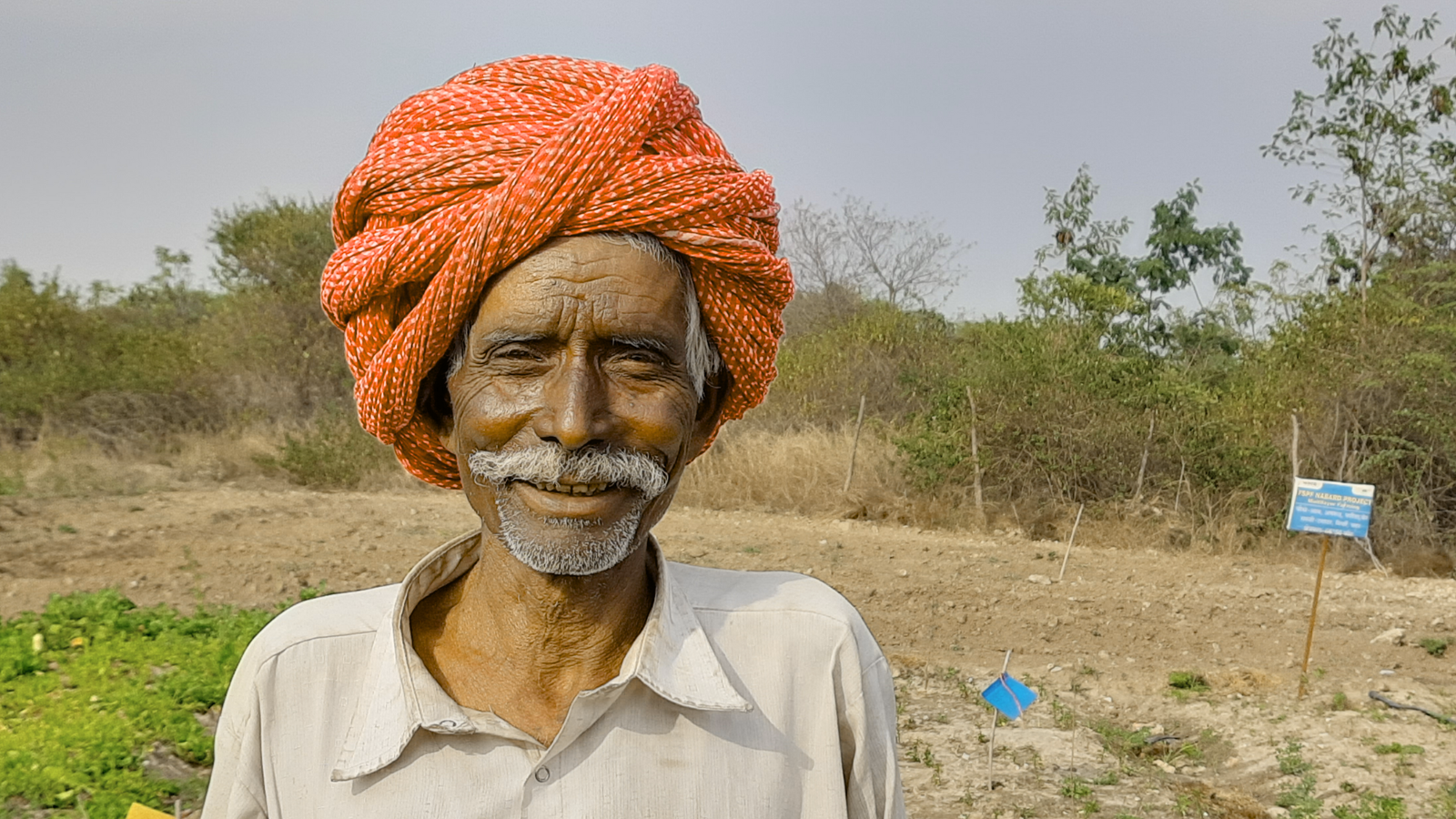
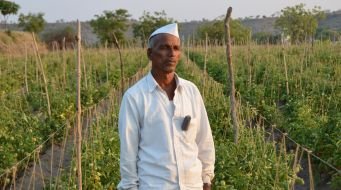
Bingi Ramulu, a 52-year-old farmer from Ammireddipally village in Narayanpet, had lost hope in his eleven-acre rainfed plot ever turning a profit. Determined for solutions, he joined one of the 15 Farmer Field Schools (FFSs) in Ammireddipally, part of the Axis Bank Foundation’s Sustainable Livelihoods Programme, run by WOTR.
A Better Tomorrow
Stories, Practices, and Solutions
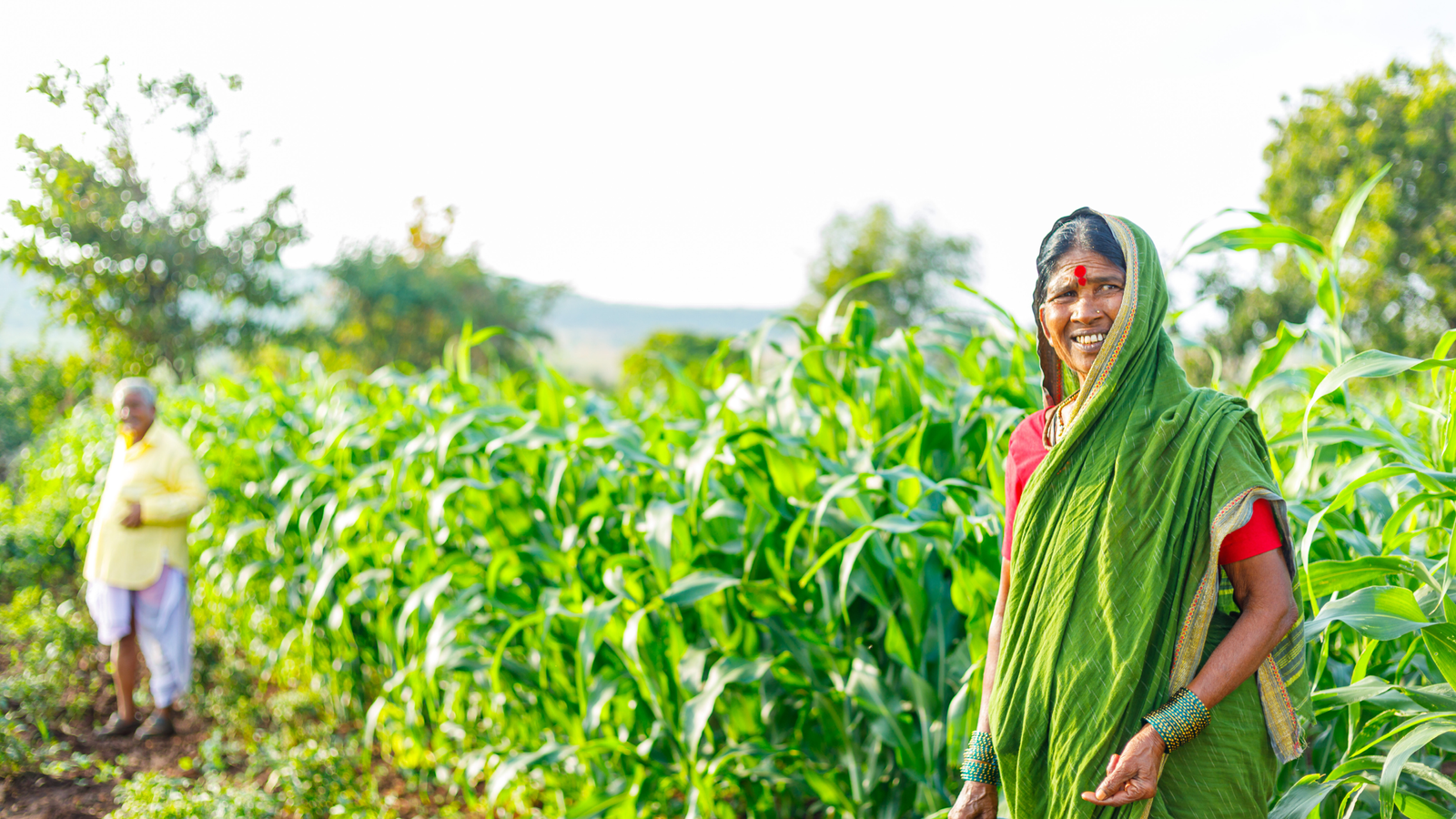
Women in every corner of the world face a relentless barrage of obstacles: unequal pay, limited access to opportunities, and the constant threat of violence and discrimination. In rural communities, these burdens are often magnified, stifling women’s potential and trapping them in cycles of poverty and oppression. This blog unveils the powerful stories of women from rural Maharashtra who shattered these cycles of hardship and patriarchy.
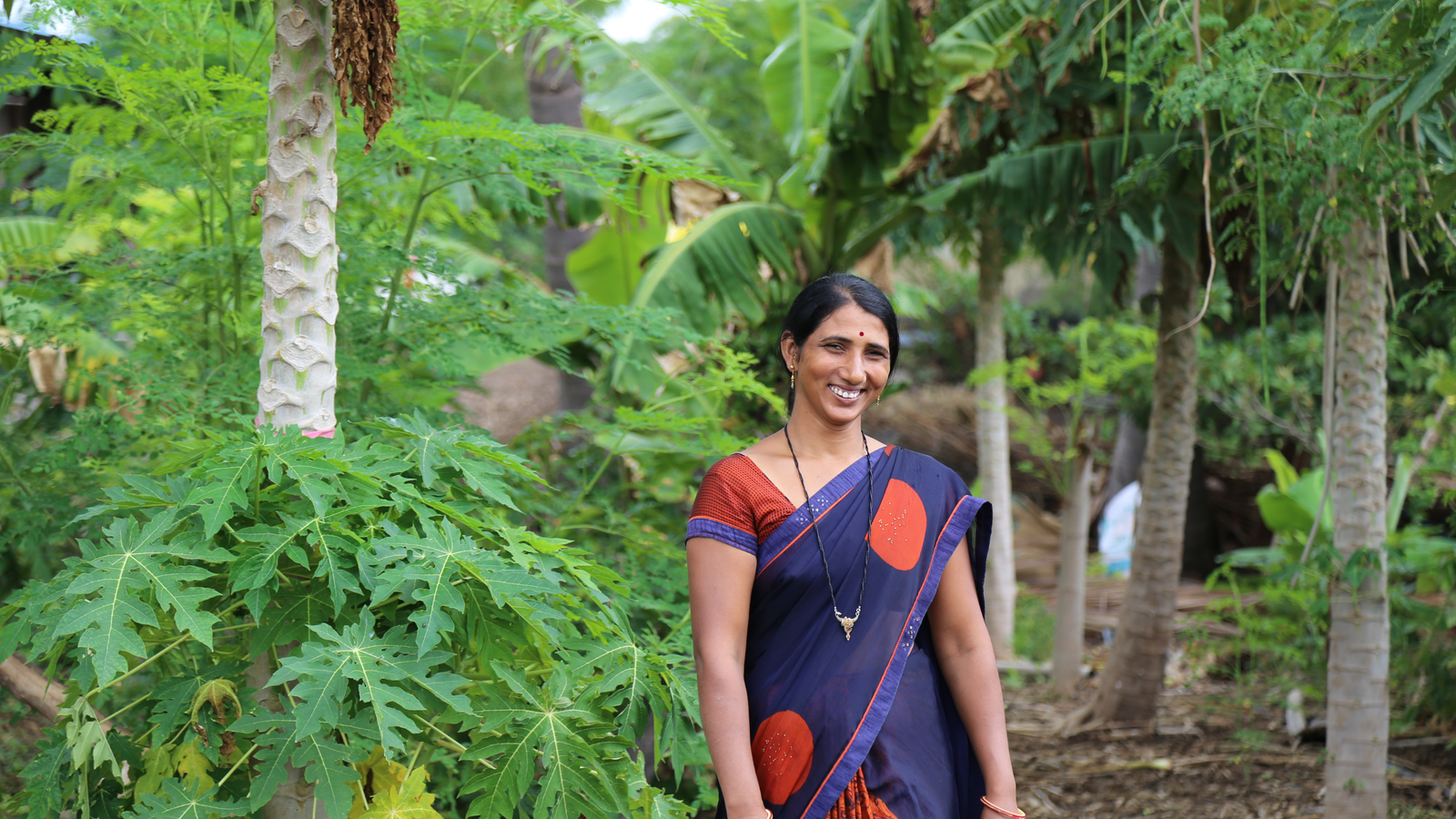
In the village of Jawalga Bet, Ranjana’s dreams of a brighter future seemed distant amidst her family’s modest income. However, an opportunity arose through IndusInd Bank’s Flagship Program, implemented by WOTR and Sampada Trust. With their support, Ranjana ventured into entrepreneurship, establishing her own Khova unit.
IndusInd Bank’s CSR initiative in Dharashiv district empowers small farmers through the establishment of the Jalpriya Farmer Producer Organization (FPO), demonstrating remarkable growth in turnover and innovative solutions to agricultural challenges, setting a precedent for sustainable rural development in the region.
This story is from the booklet ‘Seeding Entrepreneurs: Stories of Women Entrepreneurs from Karjat and Shrigonda Blocks in Ahmednagar District, Maharashtra,’ published as a part of the ‘Promoting Entrepreneurship, Employment Opportunities, and Increased Incomes in Maharashtra’ programme of HSBC.
Deva Bhil’s journey with multilayer farming, supported by WOTR and funded by NABARD’s Farm Sector Promotion Fund, transformed his land into a sustainable source of nutritious vegetables and fruits, addressing his family’s nutritional challenges and boosting their income.
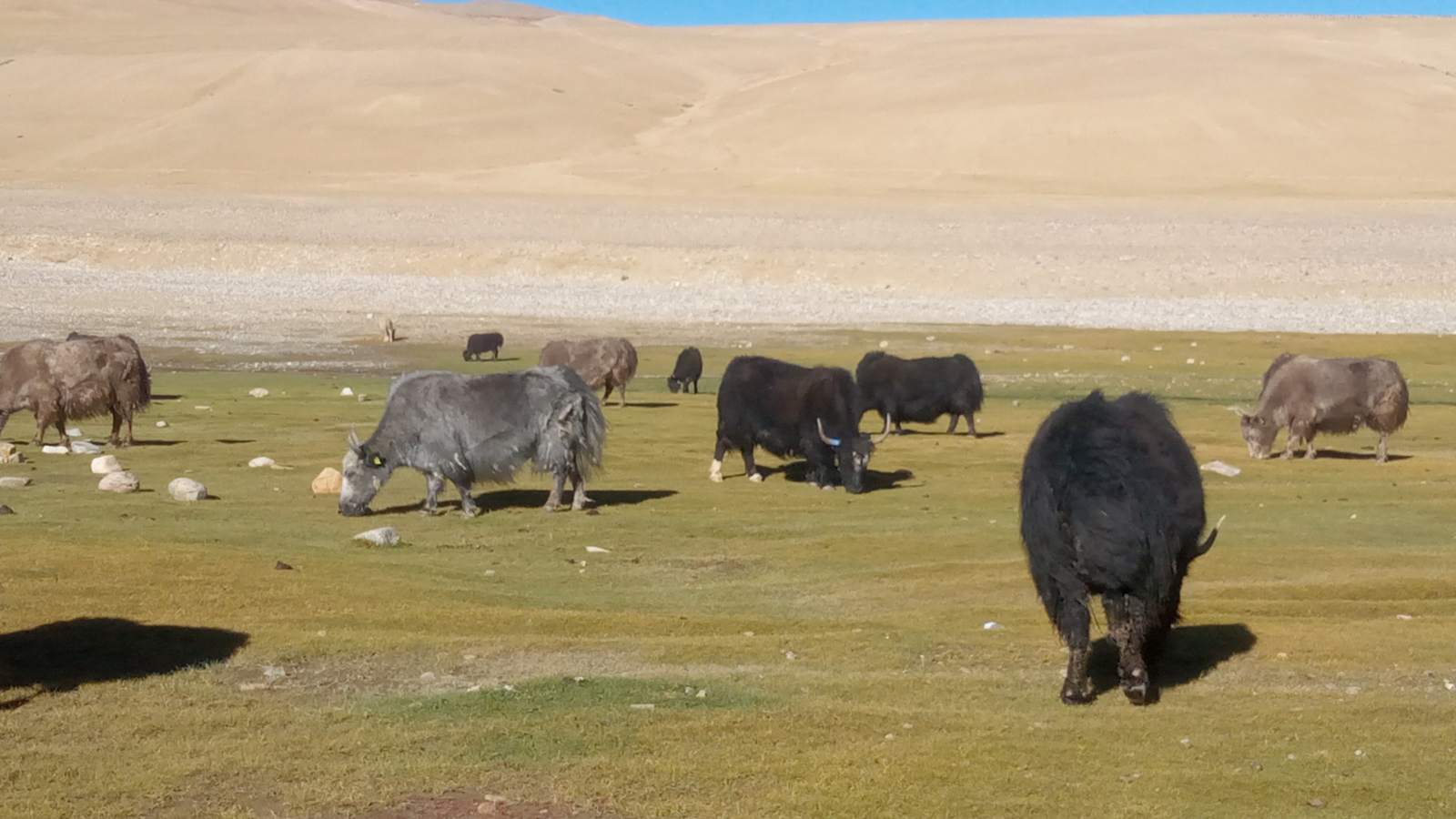
This blog delves into the lives of the Changpa community, a near-invisible pastoral nomadic community in Ladakh and a group largely unknown to mainstream society.
This story is from the booklet ‘Seeding Entrepreneurs: Stories of Women Entrepreneurs from Karjat and Shrigonda Blocks in Ahmednagar District, Maharashtra,’ published as a part of the ‘Promoting Entrepreneurship, Employment Opportunities, and Increased Incomes in Maharashtra’ programme of HSBC
This story is from the booklet ‘Seeding Entrepreneurs: Stories of Women Entrepreneurs from Karjat and Shrigonda Blocks in Ahmednagar District, Maharashtra,’ published as a part of the ‘Promoting Entrepreneurship, Employment Opportunities, and Increased Incomes in Maharashtra’ programme of HSBC.
Post Excerpt This story is from the booklet ‘Seeding Entrepreneurs: Stories of Women Entrepreneurs from Karjat and Shrigonda Blocks in Ahmednagar District, Maharashtra,’ published as a part of the ‘Promoting Entrepreneurship, Employment Opportunities, and Increased Incomes in Maharashtra’ programme of HSBC.
By Categories
By Tags
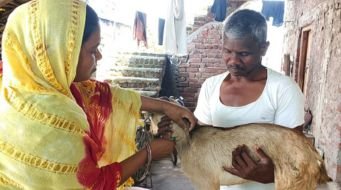
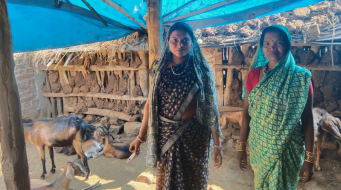
Pashu Sakhi initiative empowers rural women as para-vets, improving livestock health, boosting incomes, and strengthening climate-resilient rural livelihoods.
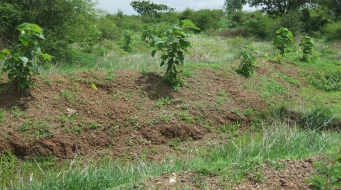
A socio-technical watershed approach helped communities restore ecosystems, strengthen institutions and secure livelihoods, creating resilience that has endured for generations.
The Rabi Jal Pehal project brought trained Pashusakhis to Agarbatti’s doorstep, offering affordable livestock care and practical guidance.
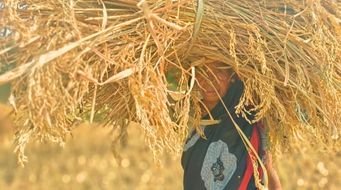
Explore the golden beauty of Chhattisgarh’s harvest, where tradition meets modern science in the vibrant fields of India’s rice bowl.
Read how the results of community-led watershed development remain evident even after 25 years in the rain-shadow area of Maharashtra.
Leopards in Pune reveal how cities reshape wildlife boundaries, forcing us to rethink coexistence beyond romance, fear, and reactive conservation.
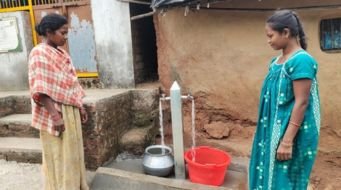
Women of this village in Odisha walked eight kilometers daily for drinking water until the solar-powered borewell transformed lives.
India’s Supreme Court reimagines corporate responsibility, weaving environmental stewardship, biodiversity protection, and sustainable development into the heart of business ethics.