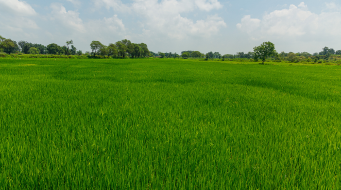
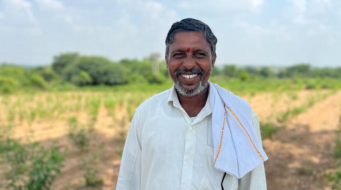
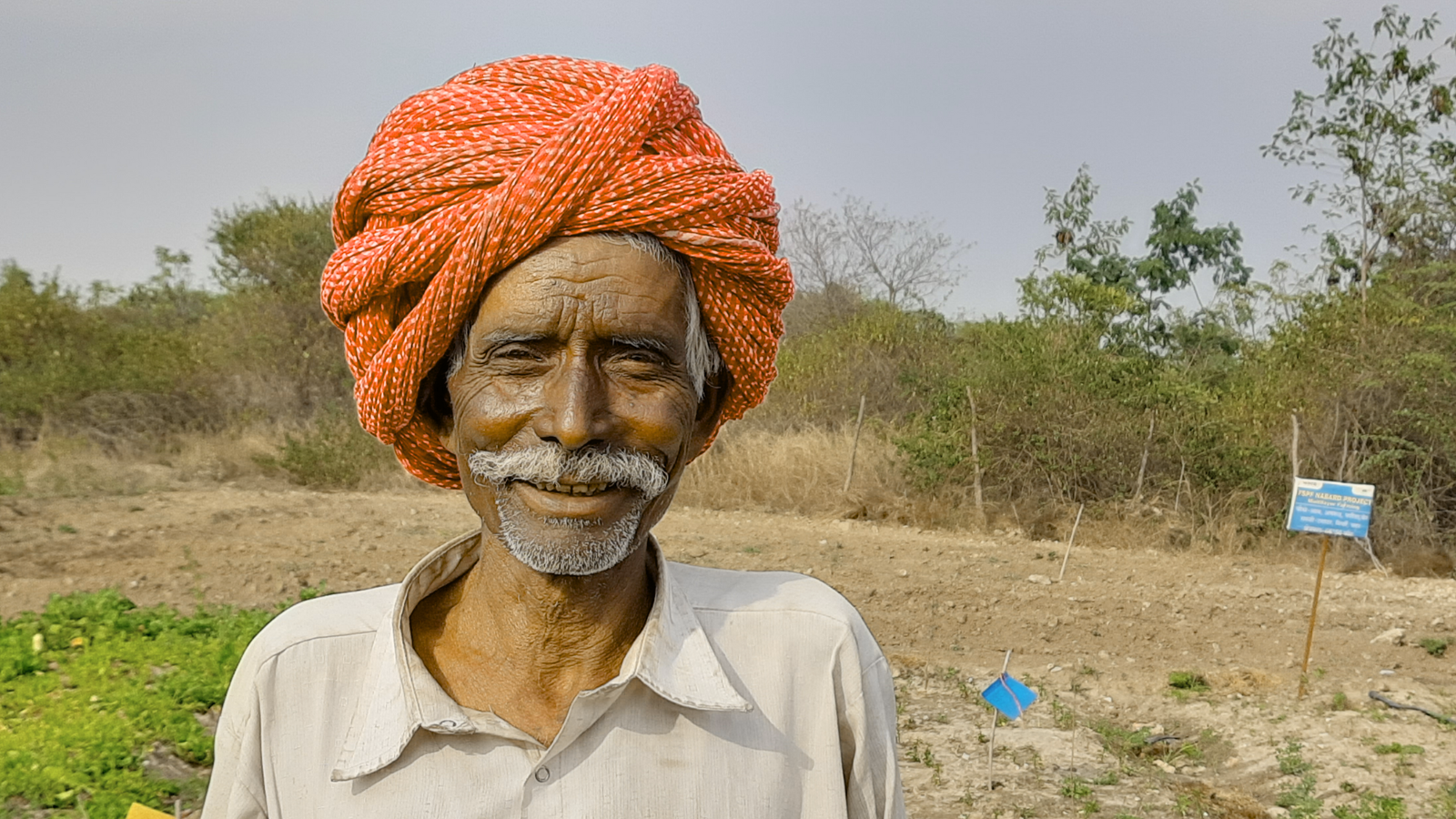
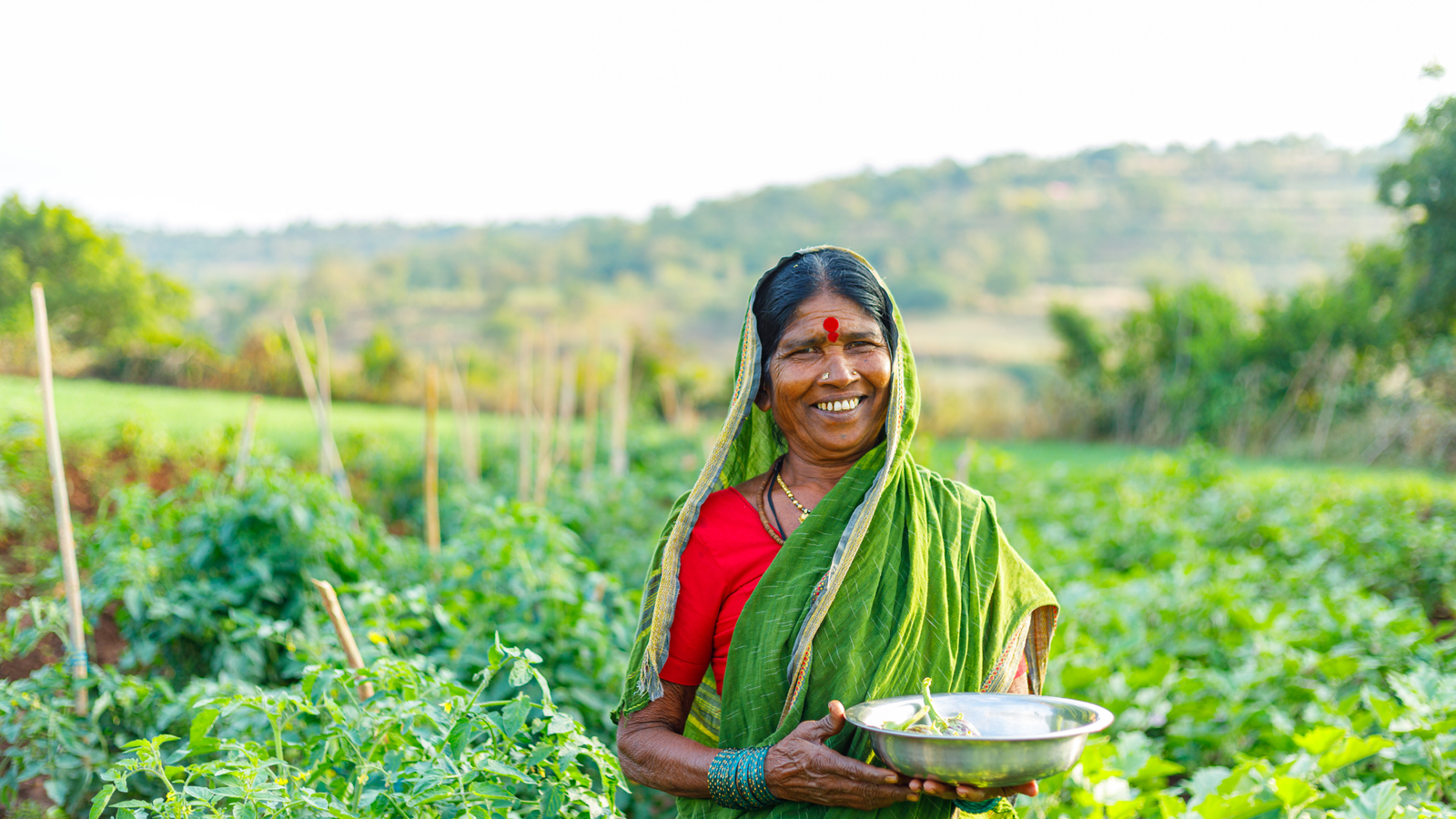
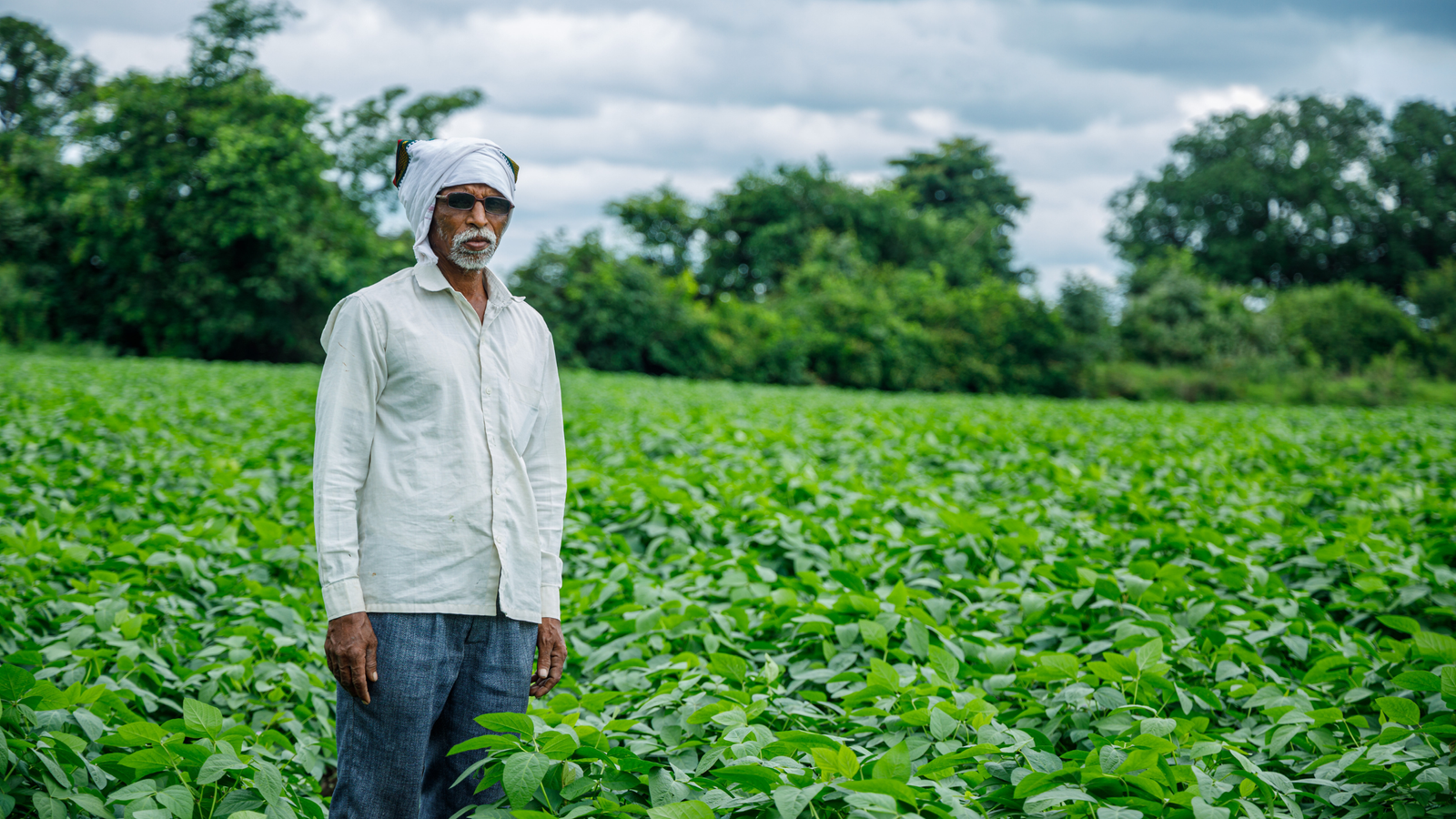
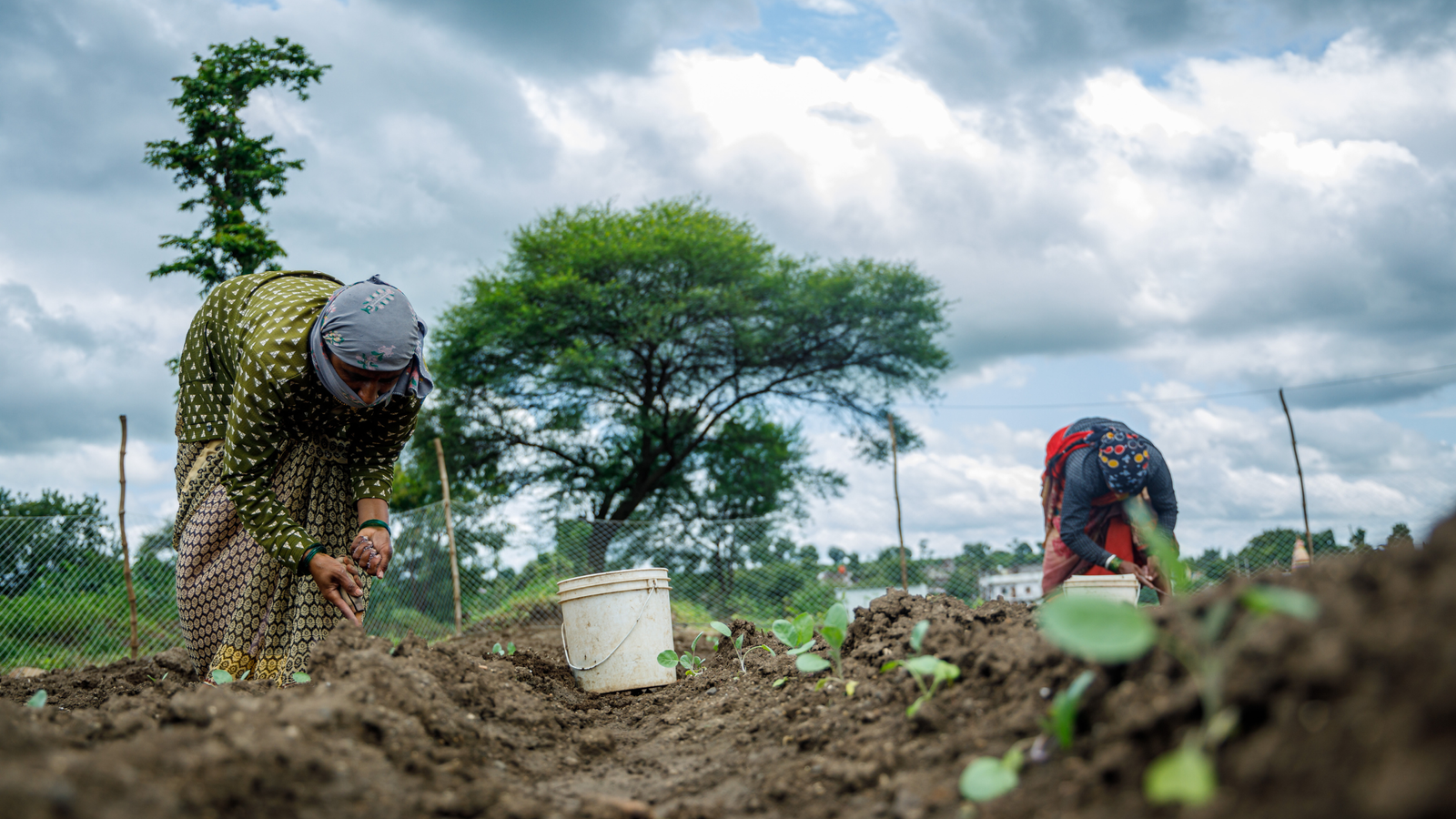
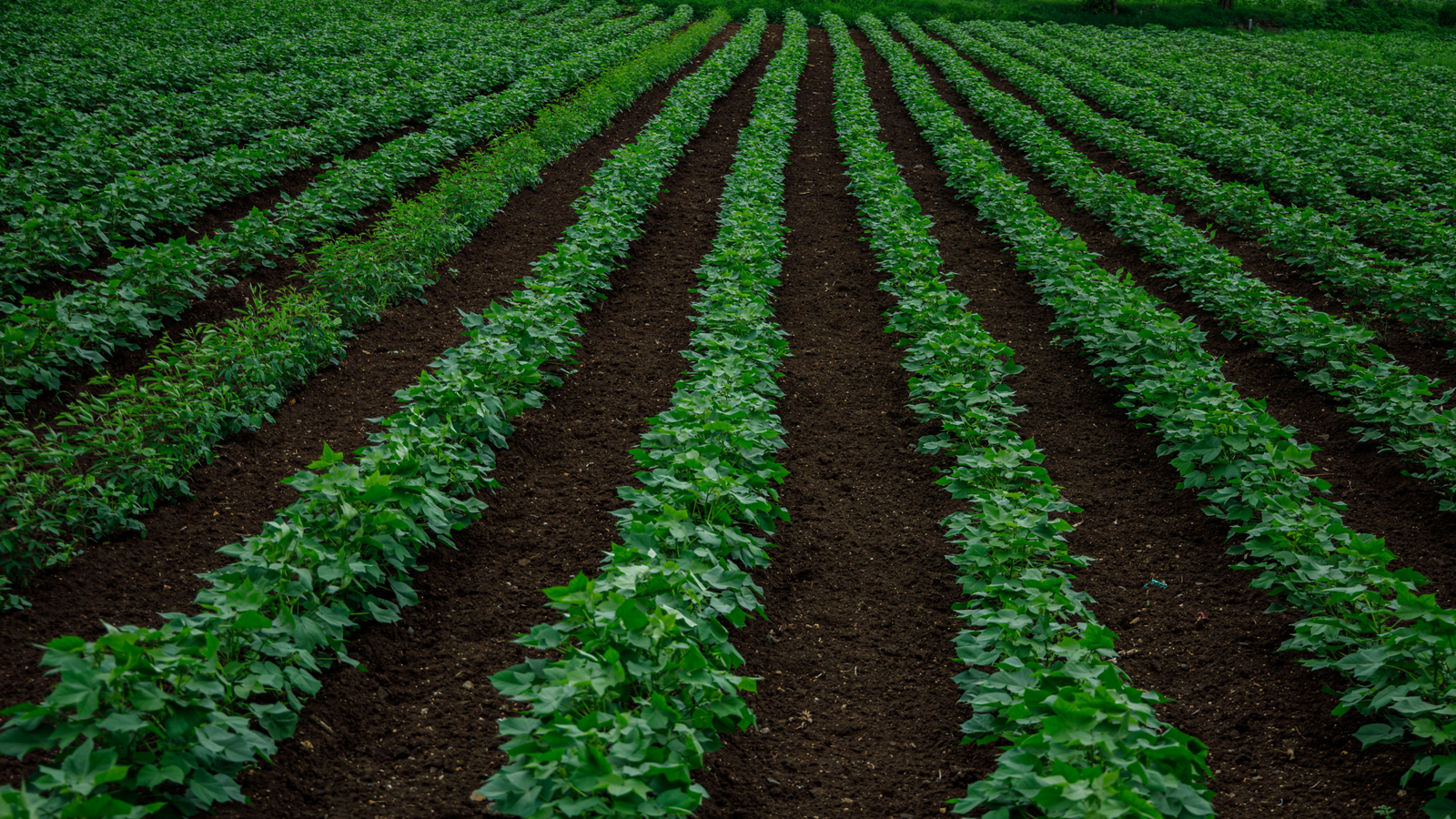
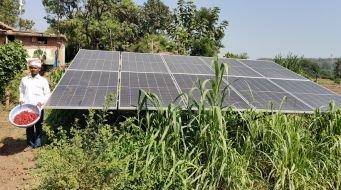
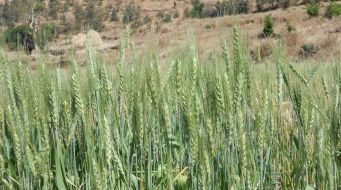
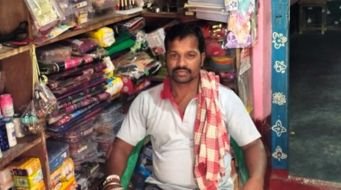
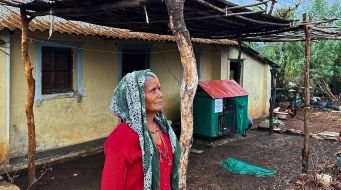
Singaram Budhundu, 58, is a marginal farmer who lives with his family of 8 in Chinnajetram village in Narayanpet, Telangana. He owns 2 acres of land, where he grows rice and red gram. Within a small place, Budhundu and his family members manage a small kitchen garden and grow vegetables like red chillies, brinjal, tomatoes, okra and cauliflower using water from the household tap.
A Better Tomorrow
Stories, Practices, and Solutions
Kavili Bal Reddy, a farmer from Appireddipally in Narayanpet mandal owns 7.5 acres of land on which he has been growing paddy in both Kharif and Rabi season for decades. That’s when Reddy decided to do something different. As part of the Farmer Field School (FFS) organised by WOTR under the Axis Bank Foundation’s Sustainable Livelihoods Programme, Reddy learnt about the concept of cultivating Green Manure Crops (GMCs).
Bingi Ramulu, a 52-year-old farmer from Ammireddipally village in Narayanpet, had lost hope in his eleven-acre rainfed plot ever turning a profit. Determined for solutions, he joined one of the 15 Farmer Field Schools (FFSs) in Ammireddipally, part of the Axis Bank Foundation’s Sustainable Livelihoods Programme, run by WOTR.
Businesses face escalating challenges from climate change affecting global agriculture. The solution lies in investing in climate-smart agriculture, which offers proactive strategies for resilience and market opportunities. Climate-smart agriculture, defined by the FAO, includes sustainable productivity increases, enhanced resilience, and reduced emissions.
Beneath the scorching sun of India’s vast plains, a quiet revolution is stirring. Not one fueled by the roar of tractors, but by the whisper of wind through thriving plants, the hum of a revitalised ecosystem. This silent uprising, rooted in ancestral wisdom and ecological harmony, is Natural Farming.
Deva Bhil’s journey with multilayer farming, supported by WOTR and funded by NABARD’s Farm Sector Promotion Fund, transformed his land into a sustainable source of nutritious vegetables and fruits, addressing his family’s nutritional challenges and boosting their income.
The Project on Climate Resilient Agriculture (PoCRA) and WOTR have partnered for an MoU to offer digital advisory services promoting climate-resilient agriculture in Maharashtra.
The Department of Agriculture, Government of Maharashtra, and the Watershed Organisation Trust (WOTR), Pune, have come together in a pioneering non-financial agreement to spearhead the “Building Resilience in Agriculture and Allied Sectors in Rural Maharashtra” project that is aided by the India Climate Collaborative (ICC).
A new chapter opens for India’s drylands with a strategic Memorandum of Understanding (MoU) between the Watershed Organisation Trust (WOTR) and the Central Research Institute for Dryland Agriculture (CRIDA).
In the face of escalating climate challenges, the agriculture sector stands at a crucial crossroad. Recognising the demand for expertise in this realm, WOTR presents a comprehensive training program on Climate-Resilient Agriculture (CRA) Practices from March 11-15, 2024.
By Categories
By Tags
Most conversations on agriculture focus on climate change, erratic rainfall, and the impact these have on crops. But we often overlook the very base of farming — the soil.
Change is taking root in Shahapur, Thane, with sustainable water management solutions
When unsafe drinking water became a daily health risk, a clean borewell in an Odisha village brought relief, dignity, and a return to healthier lives.
Community-led solar irrigation in Padardi Village boosting crop yields, enhancing household incomes, empowering women, and driving climate-resilient, sustainable rural development in Rajasthan.
A reflection on WOTR’s 32-year journey translating grassroot watershed and climate resilience practice & research into state and national policies.
Monocropping’s long-term impacts on soil, pests, and farmer incomes are explored through insights from Nitin Kumbhar, highlighting sustainable alternatives, diversification strategies, and pathways to climate-resilient agriculture in India.
A family in Odisha rebuilds their lives after a tragic accident, using community support to start a small shop that restores their livelihood, dignity, and hope.
A glimpse into the cultural practices and land-based traditions of tribal communities in WOTR’s project regions.