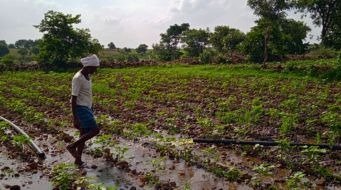
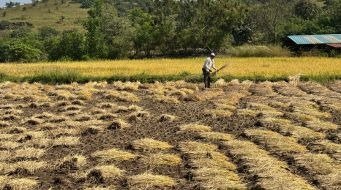
Read how Farmer Producer Companies in Maharashtra have become powerful platforms that enable farmers to pool resources, access knowledge, and meet consumer demand.
A Better Tomorrow
Stories, Practices, and Solutions
Integrated Farming Systems treat the farm not as isolated parts, but as a living ecosystem. Water harvesting, crops, trees, livestock, and fisheries are designed to support each other.
10 low-cost climate-smart farming practices promoted by WOTR that are helping farmers build resilience and hope in the face of climate change.
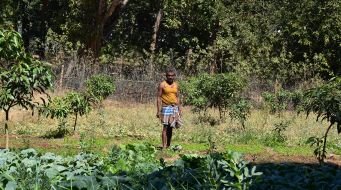
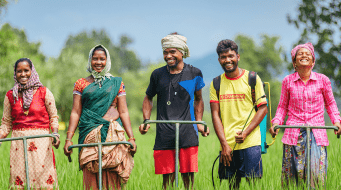
Diel Behera, a young farmer from Kulang, Odisha, is building a steady income through climate-resilient farming—driven by determination and a strong community.
Abedan Badaraita’s journey with natural farming in Madaul village, Odisha, is a powerful reminder of what resilience and community-led action can achieve.
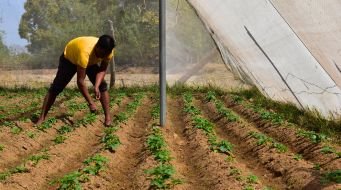
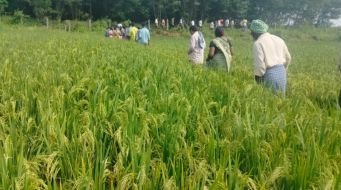
In rural Jharkhand, the income from agricultural fields has risen with mango plantation and vegetable farming taking root and farmers adopting intercropping.
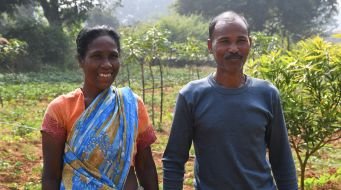
The Ekka family’s income has increased by at least 20 percent since they decided to plant mango saplings, interspersed with seasonal vegetables.
Like many others, Oraon preferred traditional farming methods—but his leap of faith paid off. Now, his success inspires farmers in his village and beyond.
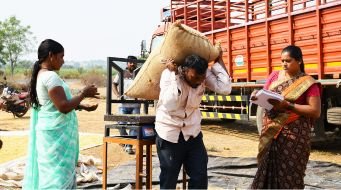
13 women are managing 11 collection centres across five Farmer Producer Companies (FPCs) in Jalna, Maharashtra, all of which deal in maize, connecting with over 1,800 farmers.
As the heat in India increases, the rising temperature is also affecting the food security of the country. India is focusing on climate-resilient agriculture by developing climate-resilient crop varieties, designed to cope with unpredictable weather and boost farm productivity.
By Categories
By Tags
When we mix weather,climate and climate change terms together, it can lead to confusion about what actually caused an event, who is responsible, and what actions are most effective
Explore WOTR’s 13-year journey across villages in Odisha, reaching over one lakh people through community-led watershed and livelihood interventions.
The Global South is being asked to shoulder the world’s nature and climate ambitions while global finance continues to move decisively in the opposite direction.
Read a collection blogs which brings together five stories from WOTR’s blog, shaped by the everyday lives, struggles, and choices of people in rural India. Told from the ground up, these pieces reflect moments of resilience, learning, and collective effort around water, livelihoods, and social change.
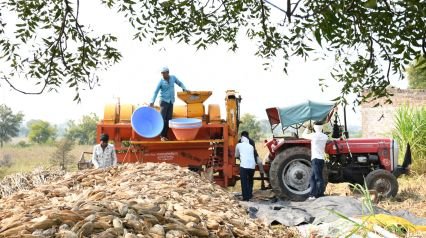
A water storage capacity of 2.5 million litres was created, bringing 64.25 acres of barren land back under cultivation while reducing soil erosion and improving groundwater recharge.
Maruti implemented a series of watershed interventions, including a farm pond and Water Absorption Trenches (WATs) to prevent surface runoff and recharge the aquifers
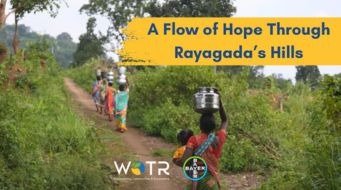
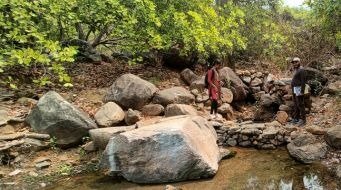
The Kadasi Revenue village in Odisha, which gets water from five springs, provided a closer look at the interplay between nature, community, and water resources to W-CReS researcher Navnath Ghodake during his field visit.
Farmers in rural Maharashtra are transforming their harvests and building climate resilience through innovative crop protection and sustainable agricultural growth.