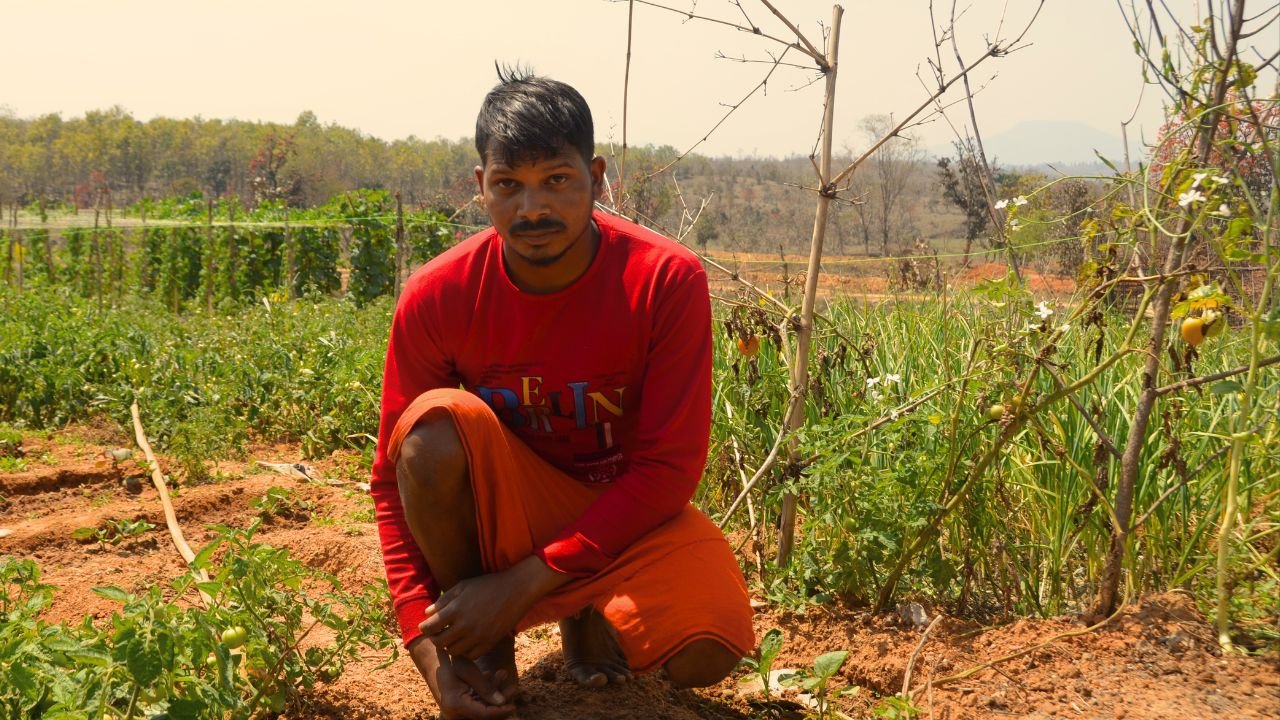
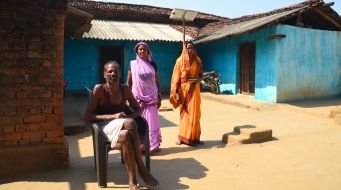
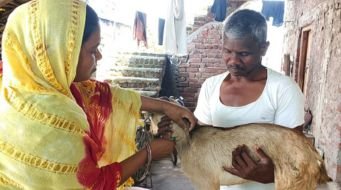
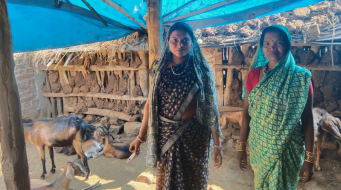
Sahulia Singh’s family, once reliant on a limited diet of rice and potatoes, now grows a variety of vegetables through WOTR’s kitchen garden initiative, improving their nutrition and reducing dependence on distant markets.
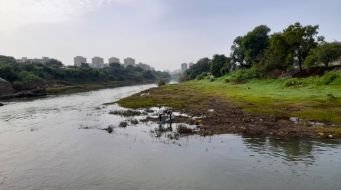
Urbanization and water scarcity are escalating challenges, but often overlooked, urban wetlands, offer crucial solutions. These vibrant ecosystems, found within or near cities, provide vital environmental benefits.
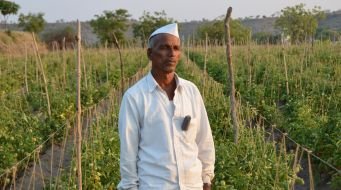
Pandarinath Shinde, a jal sevak with WOTR, helps farmers adapt to climate change by teaching efficient water management and farming practices. He has implemented techniques like micro-irrigation and soil testing on his farm, increasing his income and assisting other farmers in improving their crop yields.
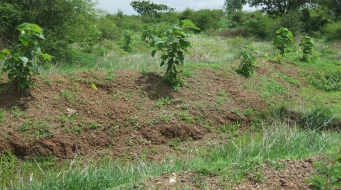
Maharashtra, leads in implementing water harvesting initiatives, with over 99% of its 97,062 water bodies being artificial. W-CReS collaborated with ATE Chandra Foundation to assess the impact of rejuvenation of water bodies five years after implementation.
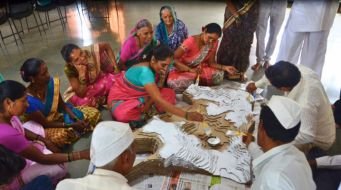
Borgaon Budruk’s Village Development Committee (VDC) and Village Water Management Teams (VWMT) have successfully addressed water scarcity through community-driven water conservation efforts, significantly improving local conditions.
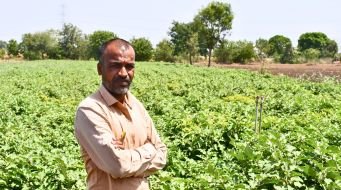
Shyam Motiram Jadhav and his wife, Vaishali Jadhav, have successfully increased their farm’s productivity and earnings by using a sprinkler system to grow brinjals, which require less water and yield higher profits compared to maize.
In rural Maharashtra, communities have become water stewards with support from WOTR. Villages like Borgaon Math and Bori Khurd have adopted rainwater harvesting, micro-irrigation, and organic farming, boosting water availability and crop yields.
India faced severe heatwaves in 2024, with record-breaking temperatures and prolonged heat spells from April to May. Contributing factors included El Niño conditions, lack of pre-monsoon rains, and persistent anticyclones. Rising greenhouse gas emissions and climate change further intensified the heatwave’s severity, highlighting the urgent need for sustainable solutions.
A socio-technical watershed approach helped communities restore ecosystems, strengthen institutions and secure livelihoods, creating resilience that has endured for generations.
India’s Supreme Court reimagines corporate responsibility, weaving environmental stewardship, biodiversity protection, and sustainable development into the heart of business ethics.