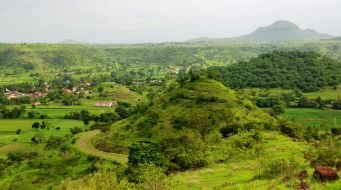
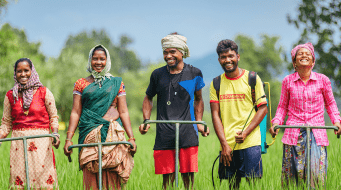
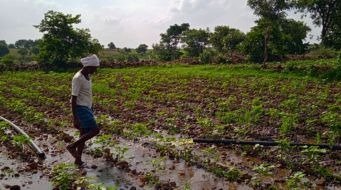
Since its initiation in 2021, this project has benefited 900 families in Bhimpur, predominantly from tribal communities.
A Better Tomorrow
Stories, Practices, and Solutions
Land surface temperatures refer to the heat held by the ground, vegetation, and other surfaces of the Earth that absorb sunlight and exchange energy with the air above.
Cooling demands are increasing with extreme heat, but are we meeting our cooling needs responsibly? Uncover the complete story.
Indigenous communities possess traditional knowledge vital for conserving natural resources and addressing the climate crisis.
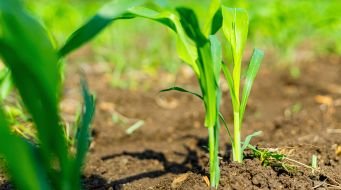
Within a small place, Singaram Budhundu from Telangana and his family members manage a small kitchen garden which provides his family with a steady stream of fruits and vegetables, adds to their nutrition and also boosts the family income
Watershed development in Rajasthan addresses water scarcity, land degradation, and desertification through sustainable water management, rainwater harvesting, and soil conservation, improving agriculture and rural livelihoods.
Imagine a barren patch of land, lifeless, without hope, dismissed as worthless. Now imagine transforming not one, not two, but 90 such spaces into green, thriving hubs of life, prosperity, and sustainability. This is not a distant dream; it’s a mission. A mission to fuse the power of nature, technology, and human will
The complexity of the challenges faced by semi-arid farming systems in India necessitates a holistic understanding of climate resilience, one that integrates both climate and development concerns.
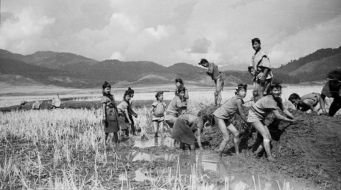
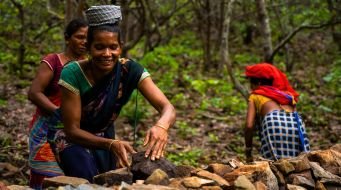
India is also home to a multitude of Indigenous Peoples and Local Communities (IPLCs), each with unique ethical, cultural, and traditional practices. For centuries, these communities have harnessed their Traditional Ecological Knowledge (TEK) to sustain their livelihoods and preserve their cultural identities.
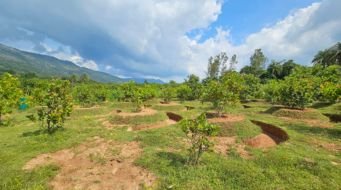
The crescent bund is one of the most effective in-situ soil and water moisture conservation methods used in cashew plantations
By Categories
By Tags
When we mix weather,climate and climate change terms together, it can lead to confusion about what actually caused an event, who is responsible, and what actions are most effective
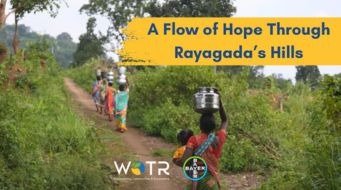
Explore WOTR’s 13-year journey across villages in Odisha, reaching over one lakh people through community-led watershed and livelihood interventions.
The Global South is being asked to shoulder the world’s nature and climate ambitions while global finance continues to move decisively in the opposite direction.
Read a collection blogs which brings together five stories from WOTR’s blog, shaped by the everyday lives, struggles, and choices of people in rural India. Told from the ground up, these pieces reflect moments of resilience, learning, and collective effort around water, livelihoods, and social change.
A water storage capacity of 2.5 million litres was created, bringing 64.25 acres of barren land back under cultivation while reducing soil erosion and improving groundwater recharge.
Maruti implemented a series of watershed interventions, including a farm pond and Water Absorption Trenches (WATs) to prevent surface runoff and recharge the aquifers
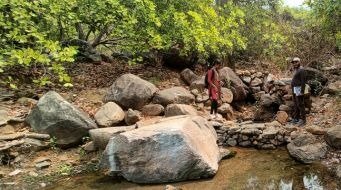
The Kadasi Revenue village in Odisha, which gets water from five springs, provided a closer look at the interplay between nature, community, and water resources to W-CReS researcher Navnath Ghodake during his field visit.
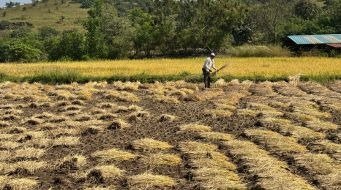
Farmers in rural Maharashtra are transforming their harvests and building climate resilience through innovative crop protection and sustainable agricultural growth.