We only have one earth – only one place in the whole wide world that we can call home. An earth to live, laugh, grow, and breathe in. The slogan, ‘Only One Earth’, at the 1972 Stockholm conference rings true even today, fifty years later. Yet, like
People in the rural rainfed areas of India are facing multiple challenges- degradation of land and other natural resources, water scarcity, lack of social empowerment and welfare, unequal distribution of the wealth, high level of vulnerability to climate change,
Gender stereotypes have shaped expectations and defined roles that have been stitched tightly into the seam of rural fabric. Given the centrality of gender equality to climate or development goals, ripping the biases out will be imperative. While there’s no quick fix to this, addressing the following overarching biases could be a start
Gender inclusiveness and women empowerment has garnered strong support globally, especially in the last couple of decades, and rightly so. Women are pivotal to the progress of a nation and play a key role in defining the culture of a society.
Climate change itself may be gender-neutral, but any action we need to take for adaptation cannot be anything but women-centric. Climate action cannot do without women. The reasons are endless, but let me bring out the five specific ones, and all of them have to do with every day and straightforward logic.
Today is National Girl Child Day and is celebrated on January 24 every year. It is primarily aimed at promoting awareness about the rights of the girl child, and increasing awareness on the importance of girls’ education, health and nutrition
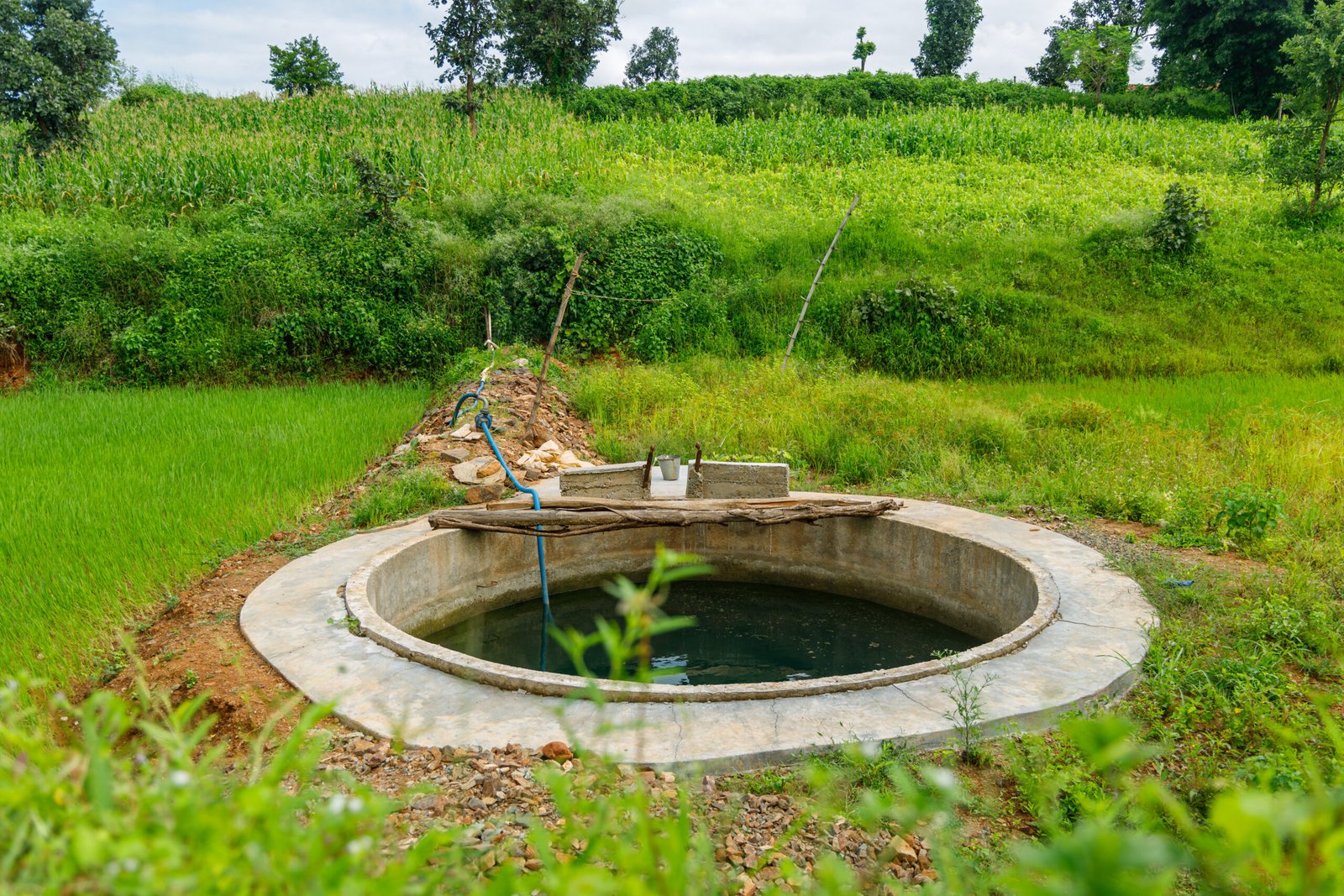
Drinking water availability was always a challenge in the village Modwa, in Udaipur district of Rajasthan. The only source of potable water was the old well in the village. Years of poor maintenance of this well had made its boundary walls crumble
Until about five years back cotton, paddy and red gram were considered the only profitable crops by the farmers of Kamsanpally village in Damargidda Mandal, Narayanpet district of Telangana. Water scarcity and extreme climatic conditions
For years, Ramnarayan Meena had been only limited to millets, paddy and wheat from his 9 bigha land. The limited water for irrigation left him with not many options. The income was meagre, just adequate to run his family.
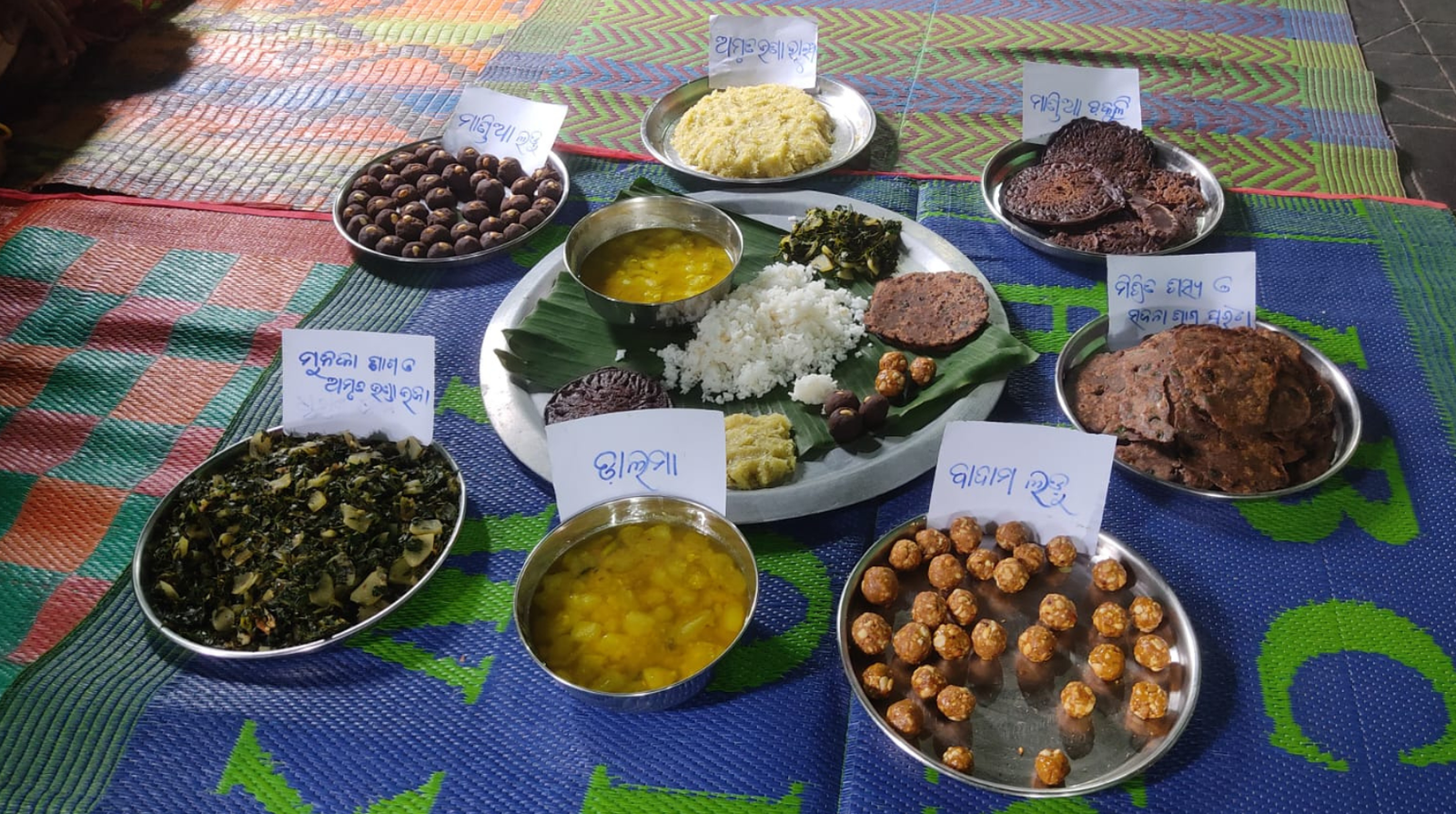
According to the HUNGaMA (Hunger and Malnutrition) Survey, almost one in every five children in 112 districts of India is at risk of malnutrition. Rayagada in Odisha is one such district that is majorly occupied by the Khonds and Lanjia Soras tribes.
Although it’s too early to see the effect of their collective effort, the people of Ringnitoli are now motivated to take up other initiatives to solve their water problems
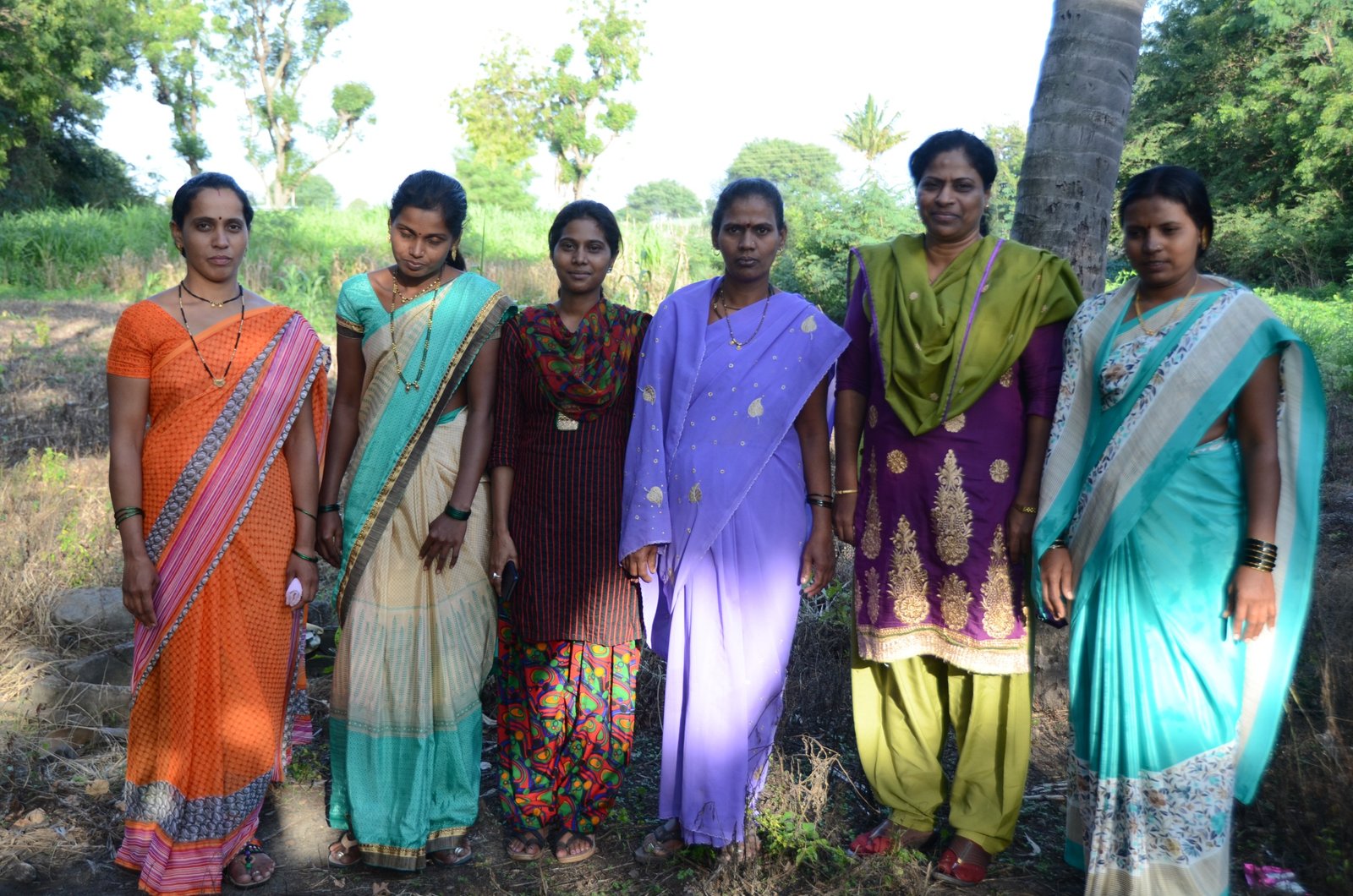
It is not an easy job, and often comes with unique challenges, but the women have earned the faith of their community through their effort and dedication.
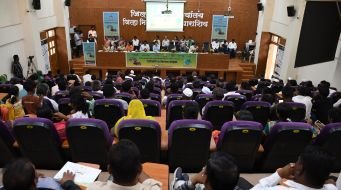
To assess the feasibility of Water Governance Standard and advocate for its integration into programs in Maharashtra related to water resources, a Water Competition (Jal-Spardha) was organised in Dharashiv district.
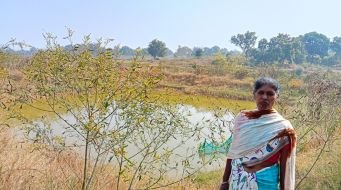
From earning an average of Rs 2,000–3,000 from the one-acre land, Dilphinesh Kunjur’s family income has increased manifold as a result of selling fish from the pond and vegetables that they cultivate around it in Jharkhand
Tigga’s land in Jharkhand was identified by WOTR for intervention and linked to a government scheme for farm pond construction—an initiative that has since transformed his livelihood
Like many others, Oraon preferred traditional farming methods—but his leap of faith paid off. Now, his success inspires farmers in his village and beyond.
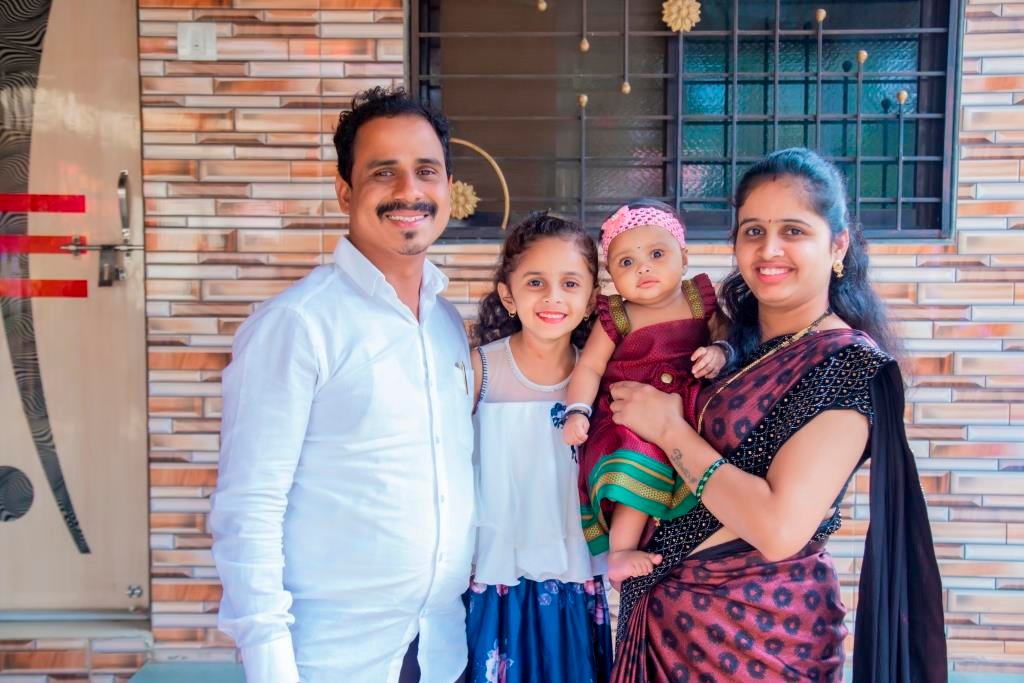
Albinas and Nishi from Jharkhand were given hand-holding support by WOTR to gain access to the MGNREGA scheme and get approvals for their mango plantation. Now, they have emerged as a successful couple in their village.