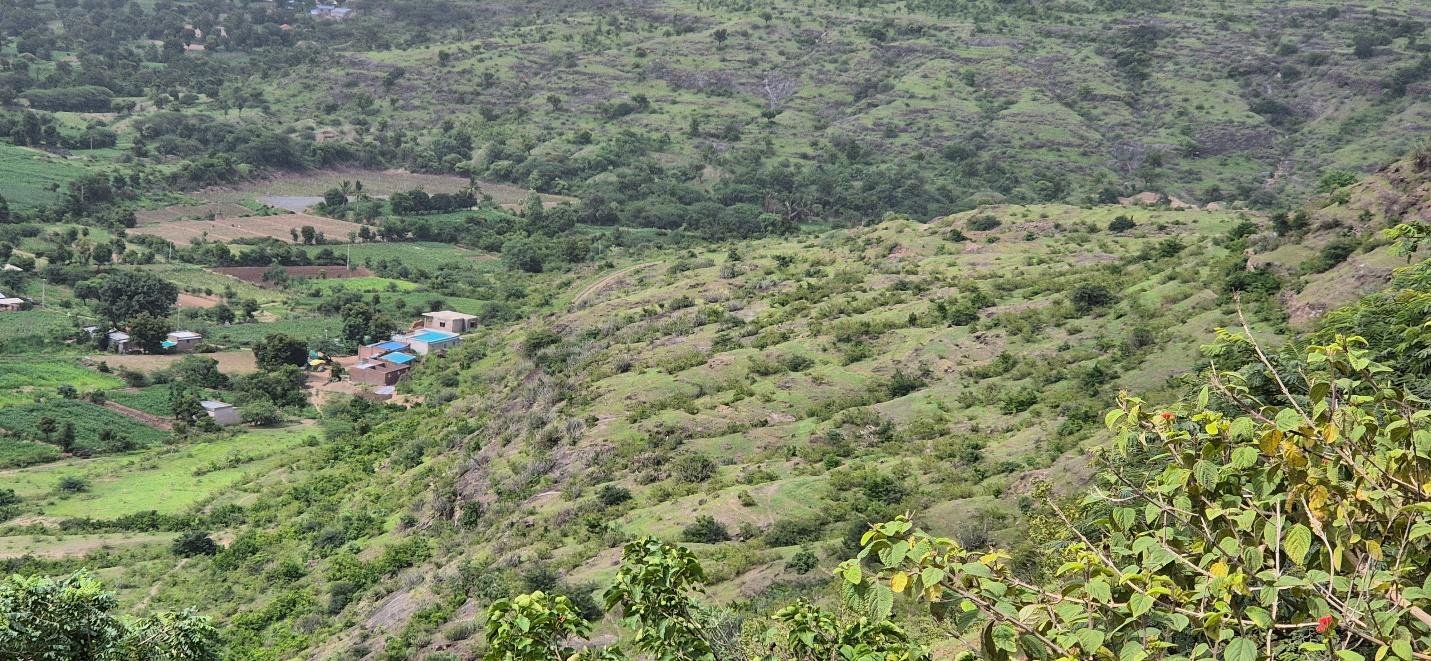
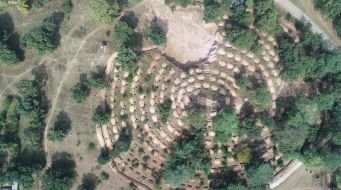
This article explores villages where watershed management, conservation, and community participation have shaped a new model of sustainable development.
Through the India Climate Collaborative’s grant to WOTR, the two organisations set out with a shared ambition: to support the Government of Maharashtra in strengthening its climate adaptation planning and delivery.
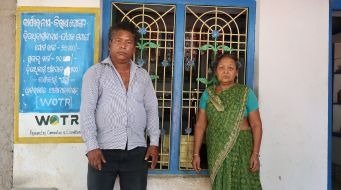
Leela and Deepak Gamango, now in their early sixties, who migrated from Meghalaya to Odisha in 2007 are finally managing to secure a substantial income with their grocery shop in Tuburuda, set up with the support of WOTR and Andheri Hilfe
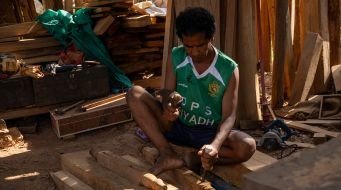
Abhadiya Raita from Munising village in Gajapati district, Odisha, transformed his life after receiving a new set of carpentry tools and pairing them with hope
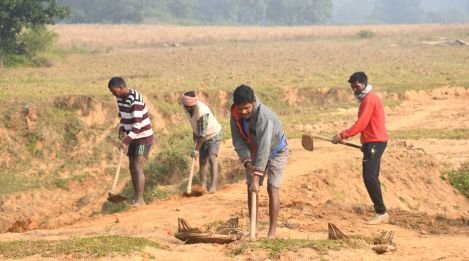
Although it’s too early to see the effect of their collective effort, the people of Ringnitoli are now motivated to take up other initiatives to solve their water problems
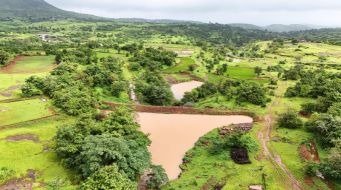
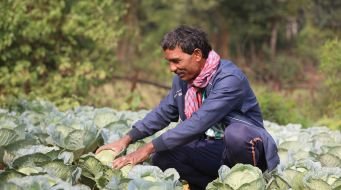
From earning an average of Rs 2,000–3,000 from the one-acre land, Dilphinesh Kunjur’s family income has increased manifold as a result of selling fish from the pond and vegetables that they cultivate around it in Jharkhand
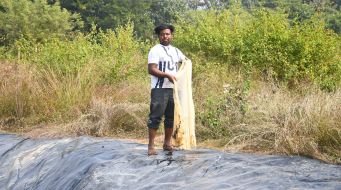
Tigga’s land in Jharkhand was identified by WOTR for intervention and linked to a government scheme for farm pond construction—an initiative that has since transformed his livelihood
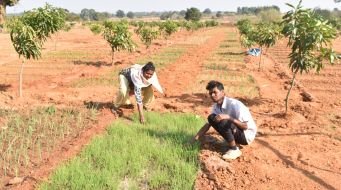
Albinas and Nishi from Jharkhand were given hand-holding support by WOTR to gain access to the MGNREGA scheme and get approvals for their mango plantation. Now, they have emerged as a successful couple in their village.
In this reflective piece, Crispino Lobo, Co-founder of WOTR, explores a fundamental truth often overlooked in development work: change rarely begins by choice. It happens when people are left with no other option.
W-CReS researchers’ journey across Maharashtra documenting good O&M practices turned into a travel across diverse terrains and lived realities, with each step testing perception and decision-making
The growing use of synthetic and glass-coated kite thread, commonly known as manjha, has turned a leisure activity into a serious public safety and environmental issue
In rain-dependent landscapes, Participatory Net Planning puts people at the centre of watershed decisions, building ownership that lasts beyond projects, it creates site-specific solutions that strengthen livelihoods.
Trees Transform Nallavelly village as 10,000 saplings revive barren drylands through community action, scientific planning, and sustainable rural afforestation.