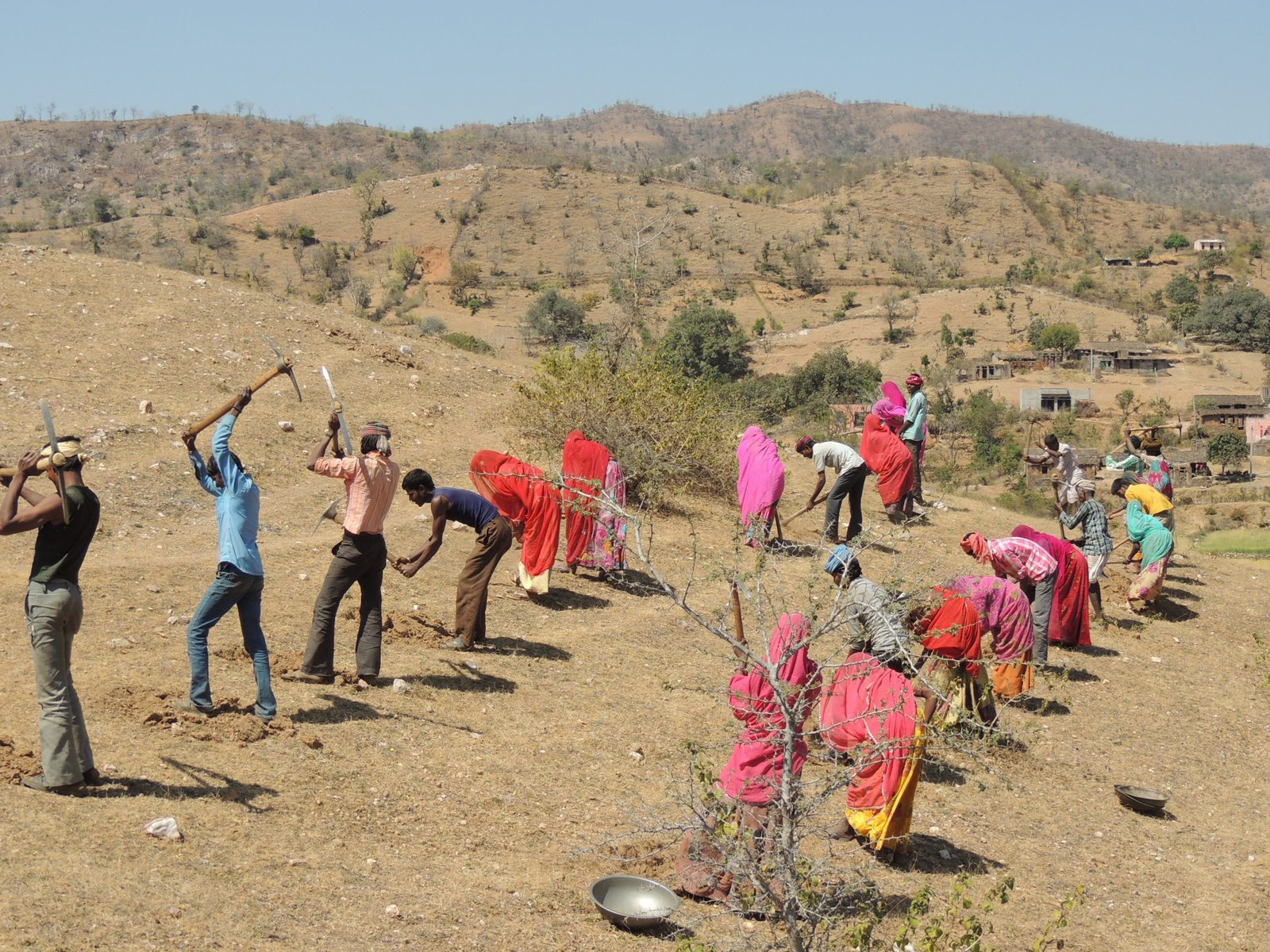
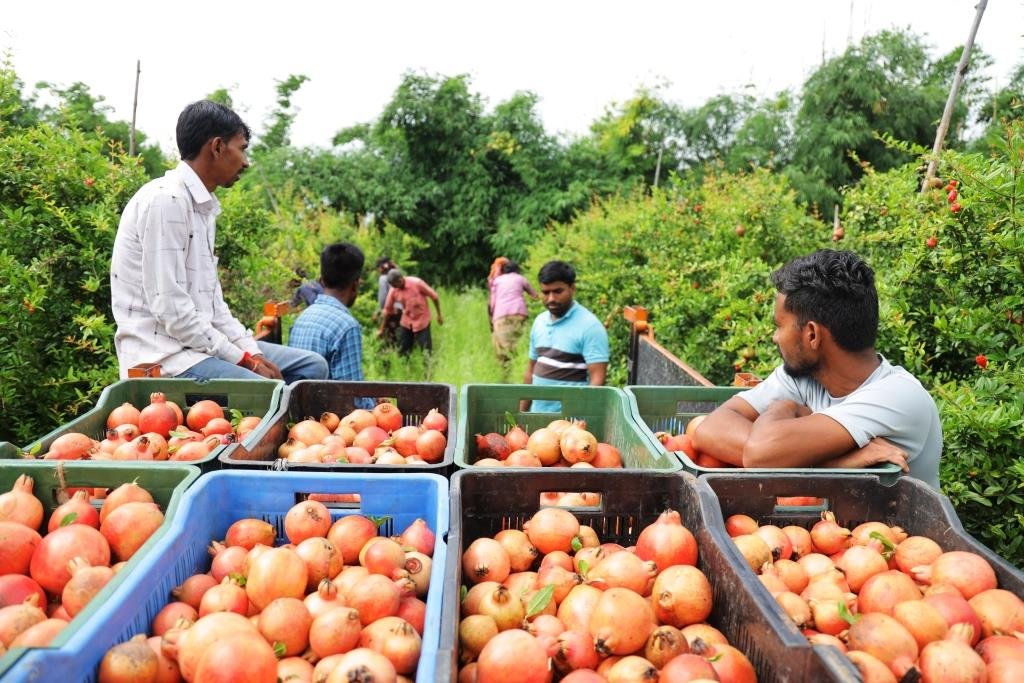
The evolution of India’s rural areas and change in the rural economic structure has garnered much attention. Driven by government policies and private sector initiatives, rural India has witnessed progress on several fronts, including education,
A Better Tomorrow
Stories, Practices, and Solutions
Despite its humble beginnings, WOTR has carved out its identity as one of the most trusted Indian non-profits in Integrated Watershed Development, Water Resources Management, environment conservation and climate change adaptation.
India is mostly a rural country. According to the 2011 Census, 68.8% of the population and 72.4% of the work force live in rural areas (Chand et al., 2017). 46% of the country’s income comes from the rural economy (Economic Times, 2021). 46% of the country’s income
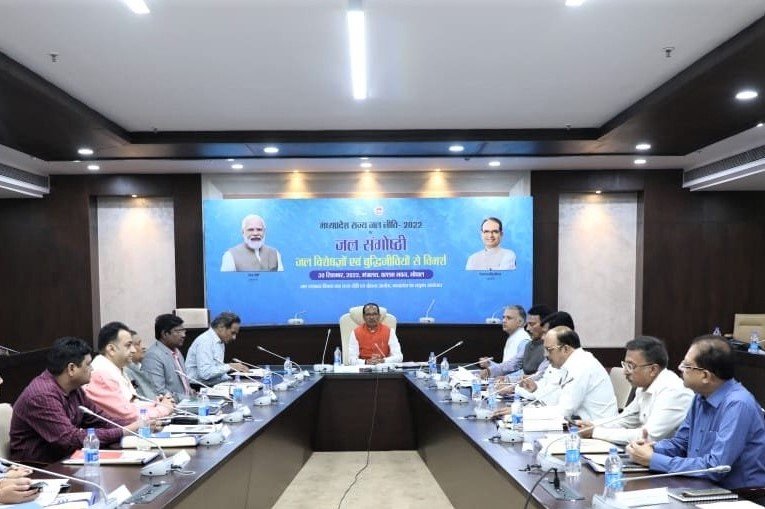
On 30th September 2022, WOTR participated in a one-day conclave convened by the Madhya Pradesh (MP) State Policy & Planning Commission to invite suggestions to modify the State Water Policy at the Mantralaya in Bhopal. Dr Eshwer Kale, representing WOTR,
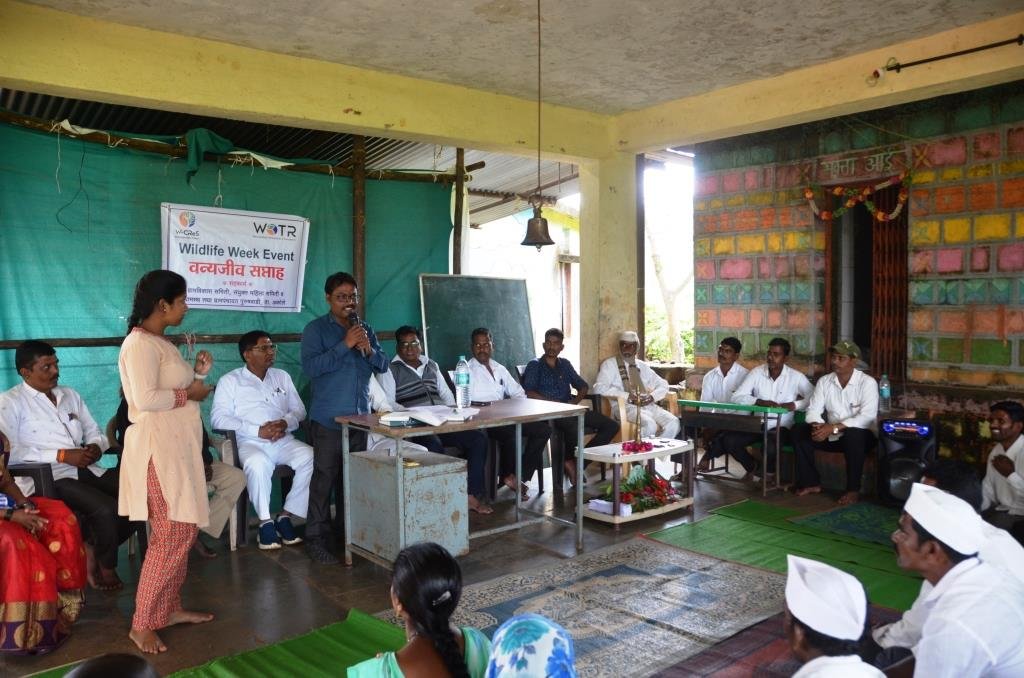
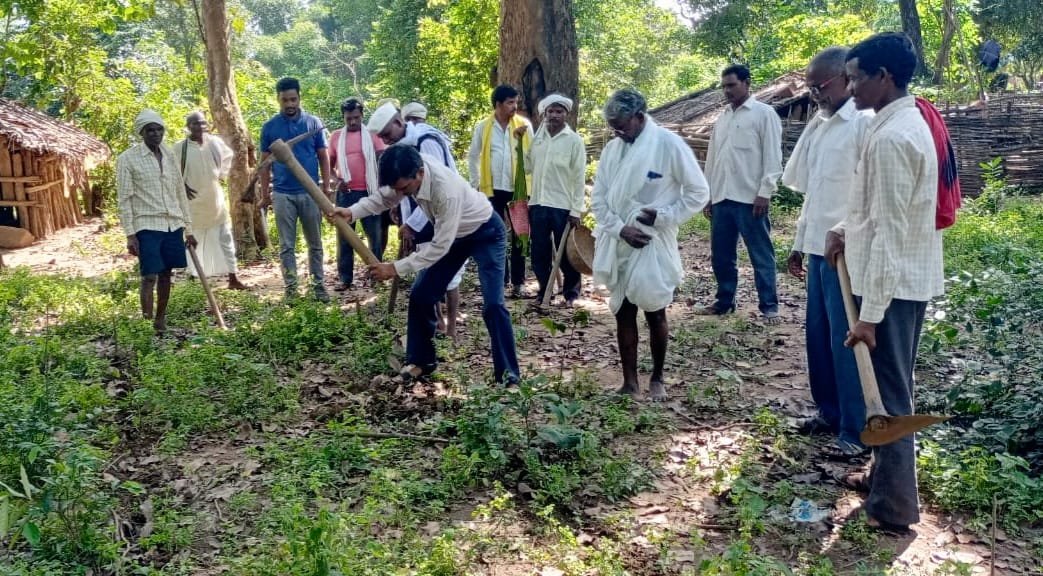
Wildlife Week is observed annually in the first week of October. This week encourages us to reflect on the larger ecosystem and our relationship with it, with the goal of promoting wildlife conservation and protection. WOTR celebrated this occasion with villages
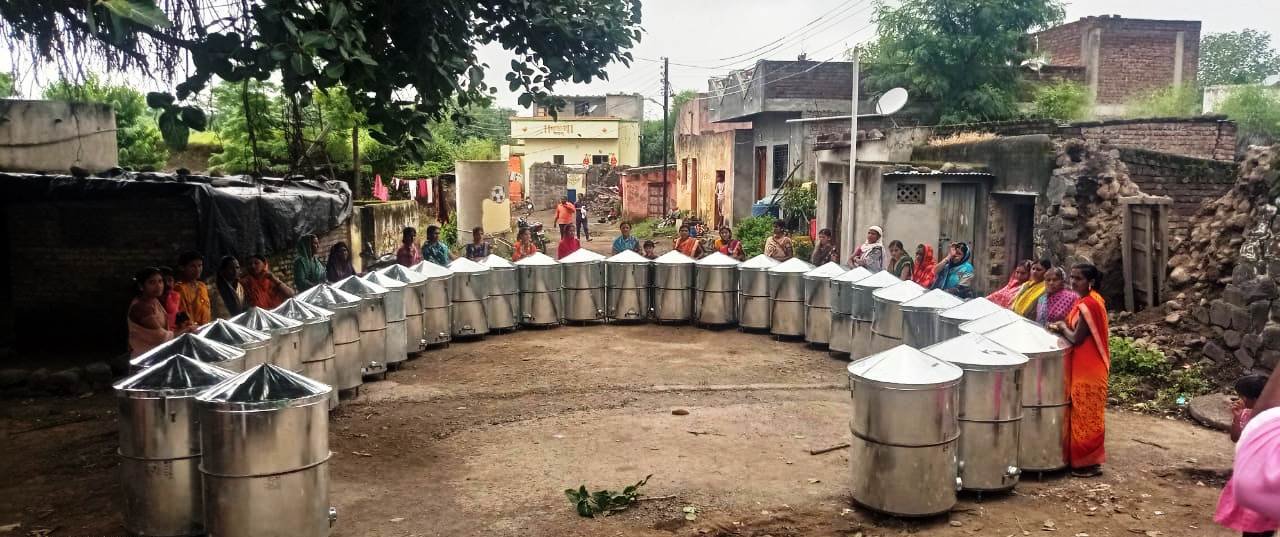
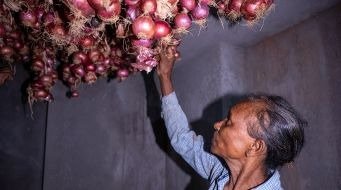
For rural households that are primarily dependent on agriculture, grain storage units made from steel and aluminium offer relief from time poverty and save women the effort of continuous grain monitoring. The time gained
WOTR has been working for integrated water resource management and sustainable agriculture in rural communities across India for decades to empower people in rural regions, nurture and build resilient livelihoods. On the 12th of October, 2022
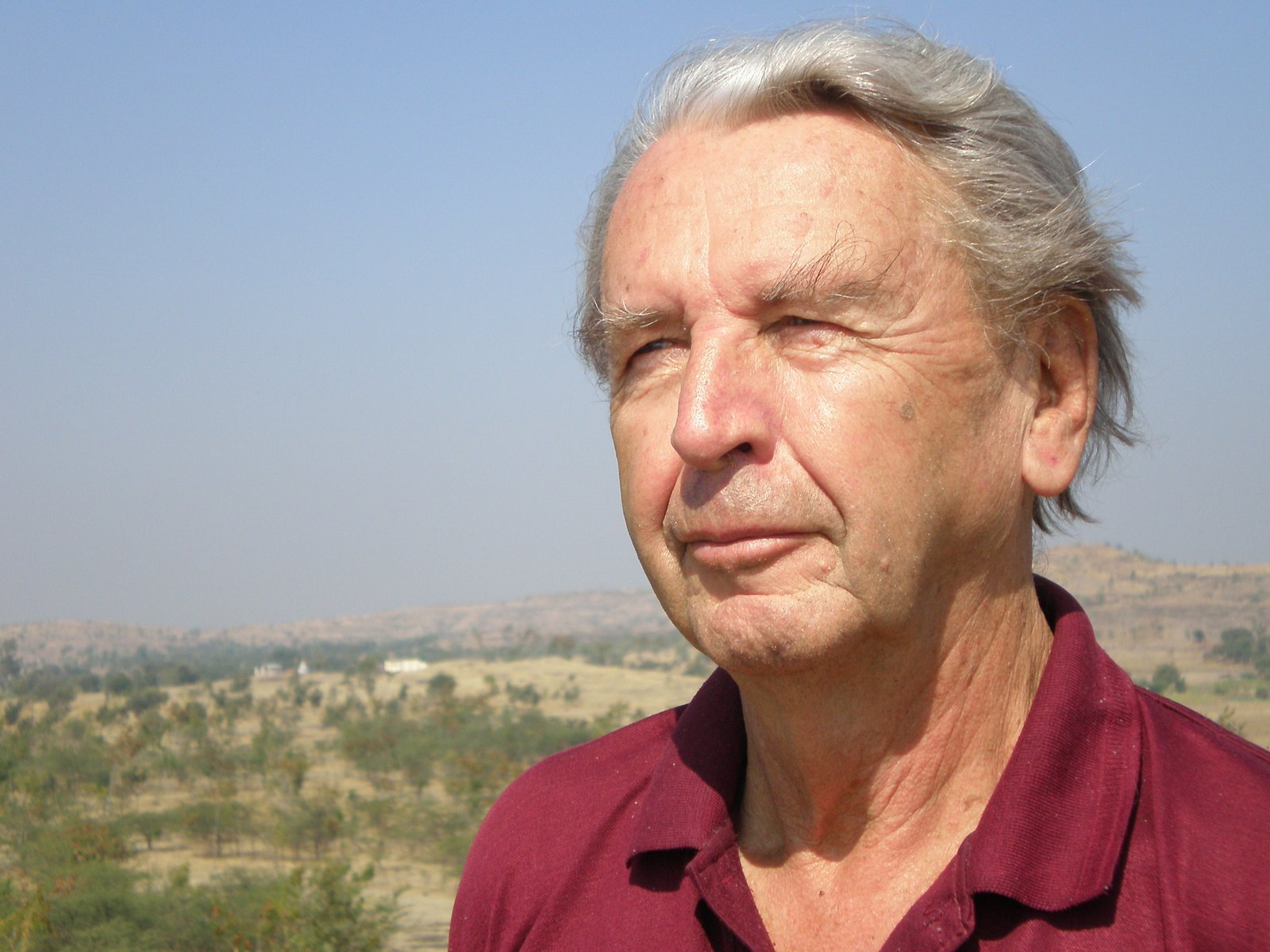
Hermann Bacher, popularly known as Bacher Baba or Father Bacher, initiated the people-led watershed movement in rural India, working tirelessly for the upliftment of the poor and marginalised communities. When Maharashtra was hit by a
Enough has been said about the looming water crisis that is getting worse with each passing day. Despite all the warnings, the efforts for water conservation and management have been abysmally sluggish. The situation is even more
The repercussions of climate change are becoming increasingly real and frightening with each passing day. While global warming has had a significant impact on modern agriculture, interestingly, the sector is also one of the contributors to climate
By Categories
By Tags
Through the India Climate Collaborative’s grant to WOTR, the two organisations set out with a shared ambition: to support the Government of Maharashtra in strengthening its climate adaptation planning and delivery.
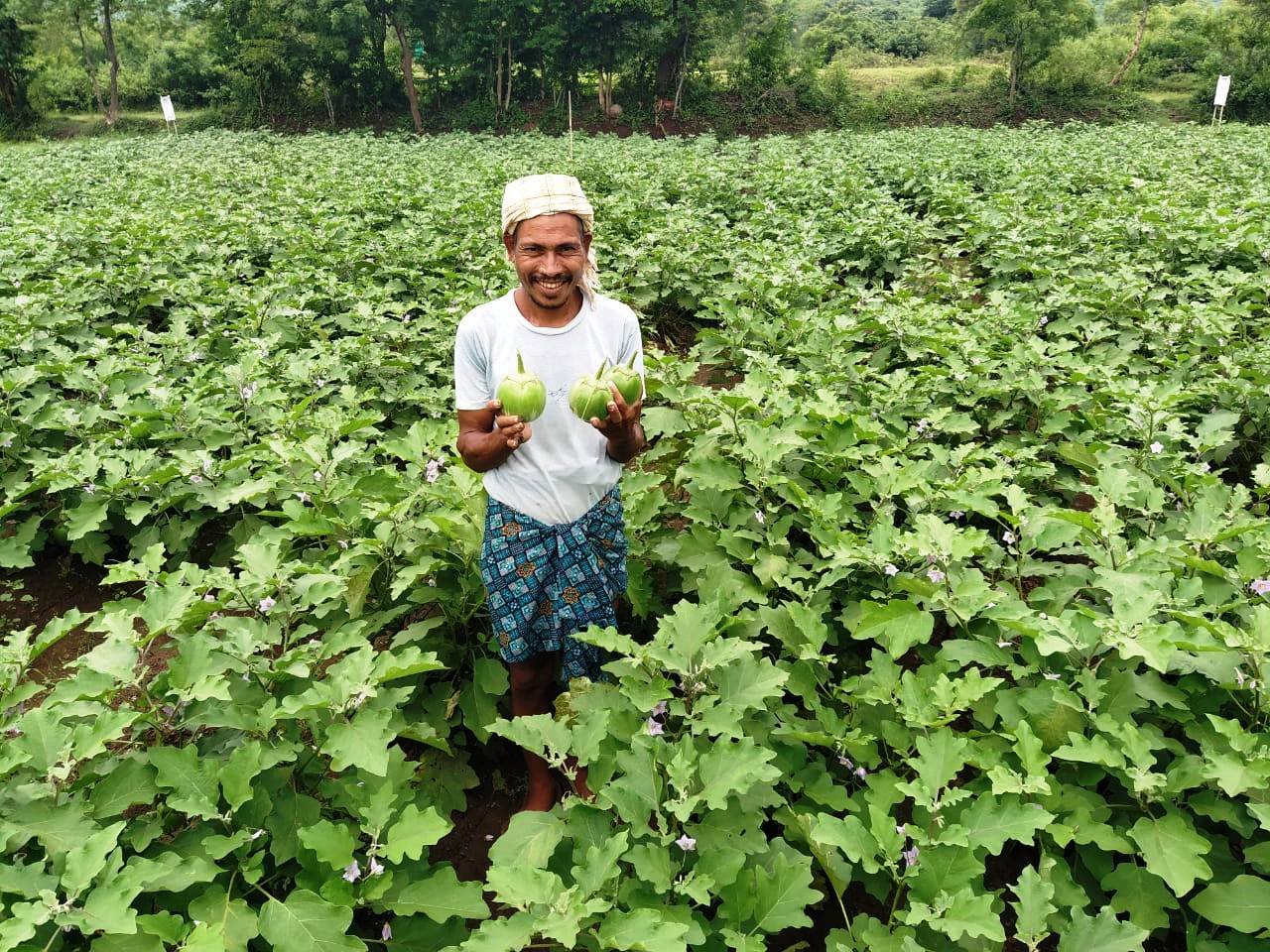
Diel Behera, a young farmer from Kulang, Odisha, is building a steady income through climate-resilient farming—driven by determination and a strong community.
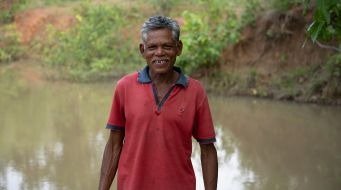
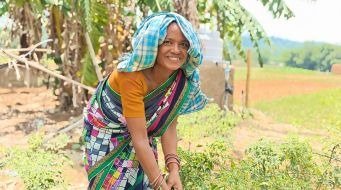
Abedan Badaraita’s journey with natural farming in Madaul village, Odisha, is a powerful reminder of what resilience and community-led action can achieve.
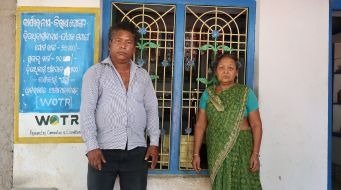
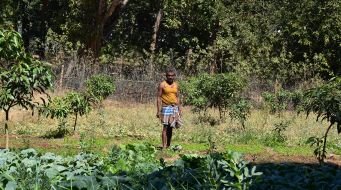
Leela and Deepak Gamango, now in their early sixties, who migrated from Meghalaya to Odisha in 2007 are finally managing to secure a substantial income with their grocery shop in Tuburuda, set up with the support of WOTR and Andheri Hilfe
Pinky’s journey is one of resilience, hope, and transformation – proof that with the right support and determination, even the most daunting challenges can lead to a brighter tomorrow.
In rural Jharkhand, the income from agricultural fields has risen with mango plantation and vegetable farming taking root and farmers adopting intercropping.
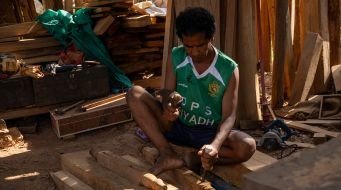
Abhadiya Raita from Munising village in Gajapati district, Odisha, transformed his life after receiving a new set of carpentry tools and pairing them with hope
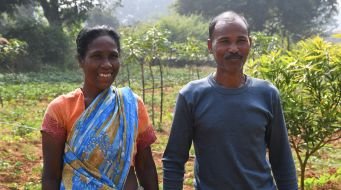
The Ekka family’s income has increased by at least 20 percent since they decided to plant mango saplings, interspersed with seasonal vegetables.