In the context of achieving sustainability in agriculture, this is especially pertinent as over indulgence in natural resources to maximize benefits in terms of utility and income for the present means farmers are paying less heed to future consequences.
Climate change is already happening. Rising temperatures leading to rise in natural disasters are already making headlines. This shifting phenomenon presents a considerable risk on the health of people, natural capital (like clean water and food) and world economies
Yavatmal district of Maharashtra has numerous such heartbreaking stories. Women, after the death of their husbands, are left in the lurch. Chanda and her sister-in-law Ramkala live in Baradgaon village and could survive on a meager income of
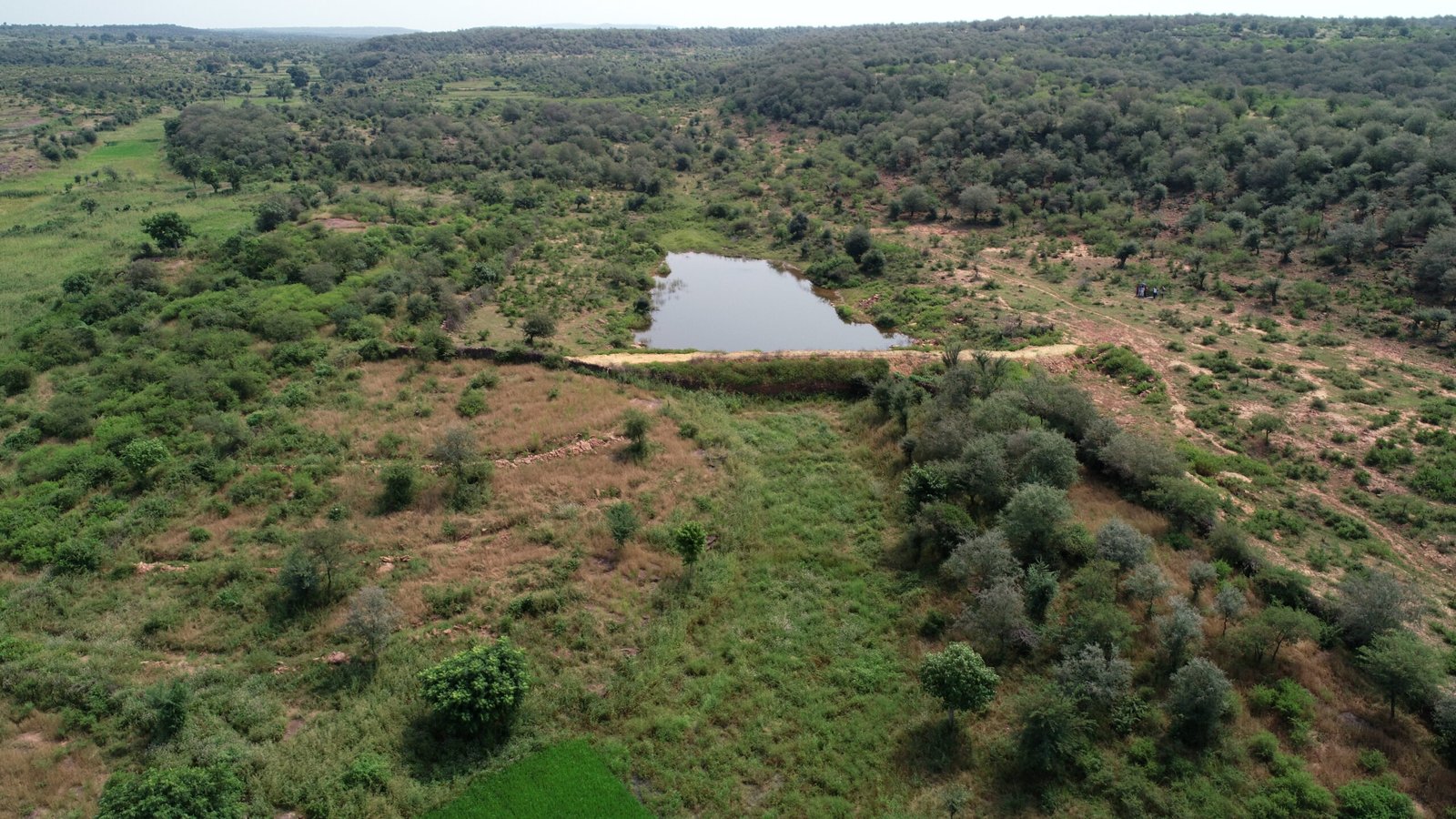
Heerabai still feels chills running down her spine when she thinks of the water scarcity and parched lands that her village Purushwadi was known for. The unseasonal and irregular rainfall, fragmented landholding were the major challenges in the area
The world came crashing down for Kamalakola when she lost her husband to malaria. “He worked in a textile mill in Surat. His income was huge support for the family,” said Kamalakola Nayak, resident of Luduludi village in Ganjam district of Odisha.
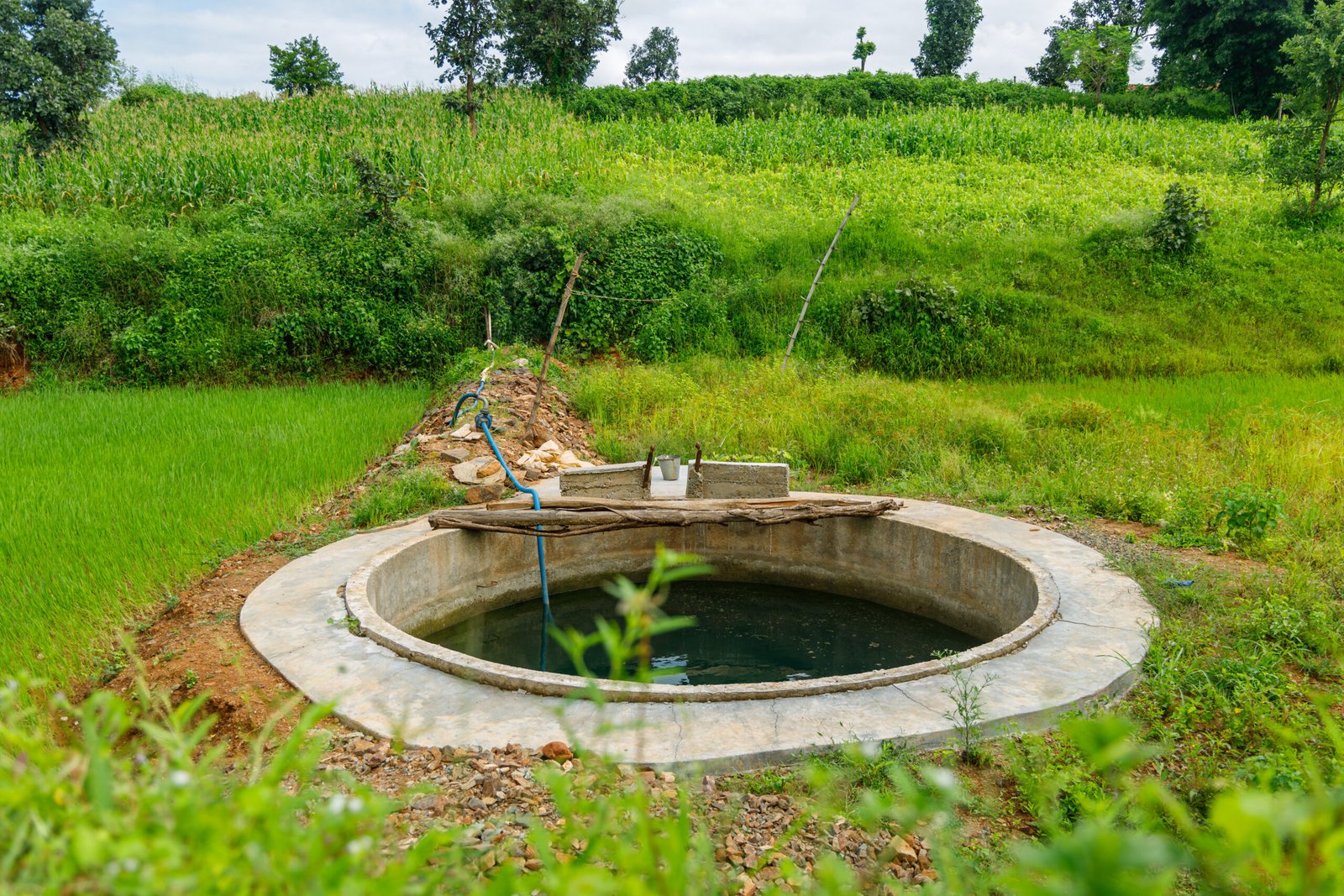
Drinking water availability was always a challenge in the village Modwa, in Udaipur district of Rajasthan. The only source of potable water was the old well in the village. Years of poor maintenance of this well had made its boundary walls crumble
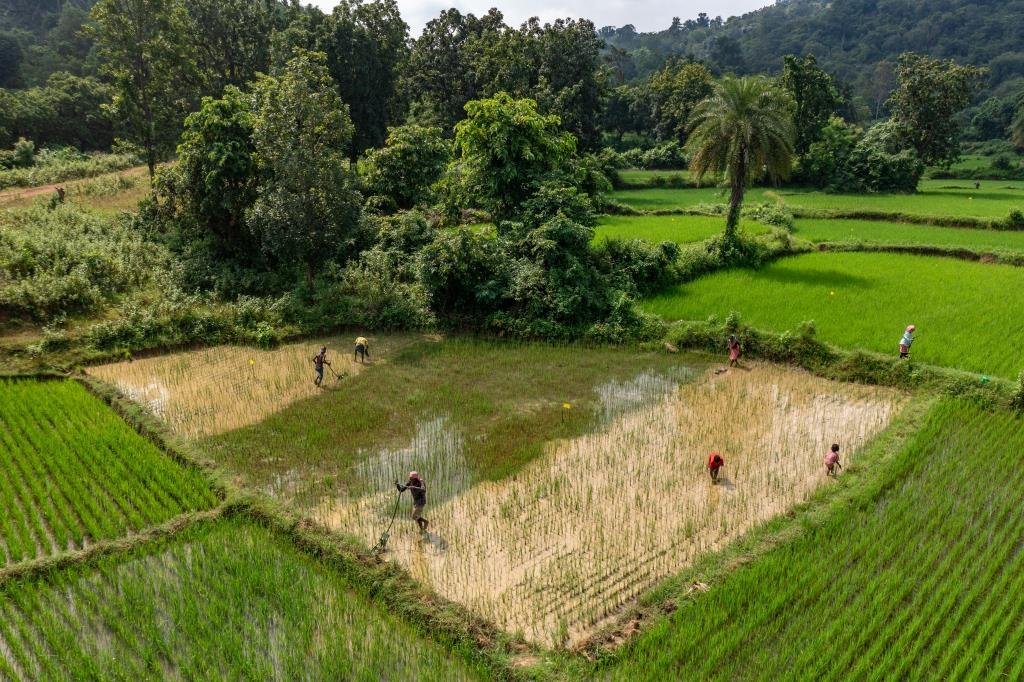
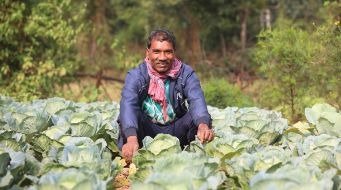
Until about five years back cotton, paddy and red gram were considered the only profitable crops by the farmers of Kamsanpally village in Damargidda Mandal, Narayanpet district of Telangana. Water scarcity and extreme climatic conditions
For years, Ramnarayan Meena had been only limited to millets, paddy and wheat from his 9 bigha land. The limited water for irrigation left him with not many options. The income was meagre, just adequate to run his family.
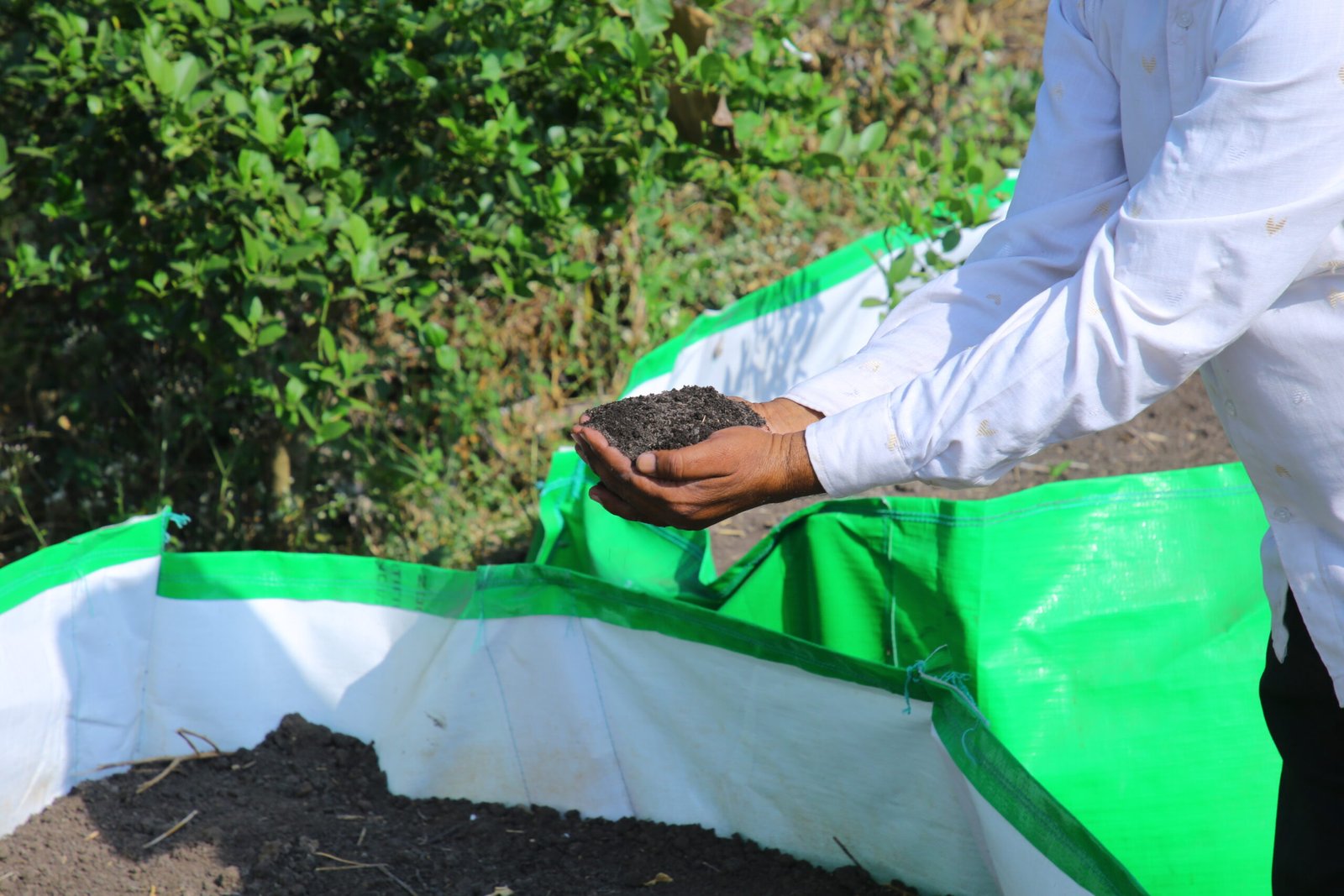
Three years back when Meena suggested replacing chemical fertilizers with vermicompost, she was ridiculed and strongly opposed. “My husband and son were not at all convinced to use organic manure. For them, it was a huge risk and could lead to losses,” said Meena Atmaram Hazare
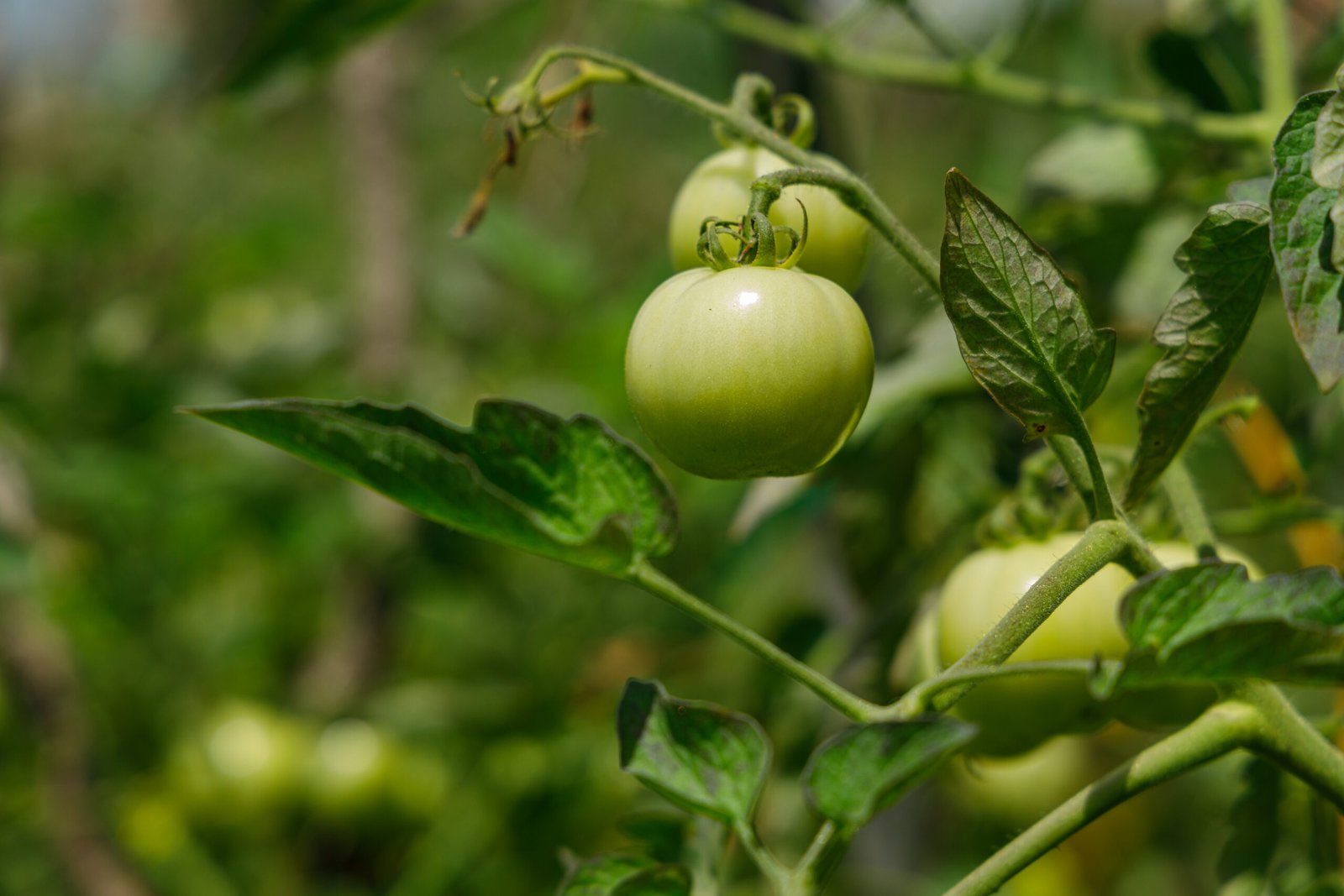
Santosh Salve was on cloud nine when WOTR began its work in the Ambad block of Jalna district in Maharashtra. As WOTR started working with the local community to promote climate-resilient agriculture, Santosh approached the team with a specific interest – building a low-cost setup to prepare vermicompost.
Integrated Farming Systems treat the farm not as isolated parts, but as a living ecosystem. Water harvesting, crops, trees, livestock, and fisheries are designed to support each other.
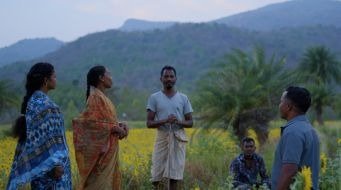
WOTR has helped build lasting water conservation structures, strengthened local governance, and empowered communities in 70 villages to manage their natural resources more sustainably.
This article explores villages where watershed management, conservation, and community participation have shaped a new model of sustainable development.