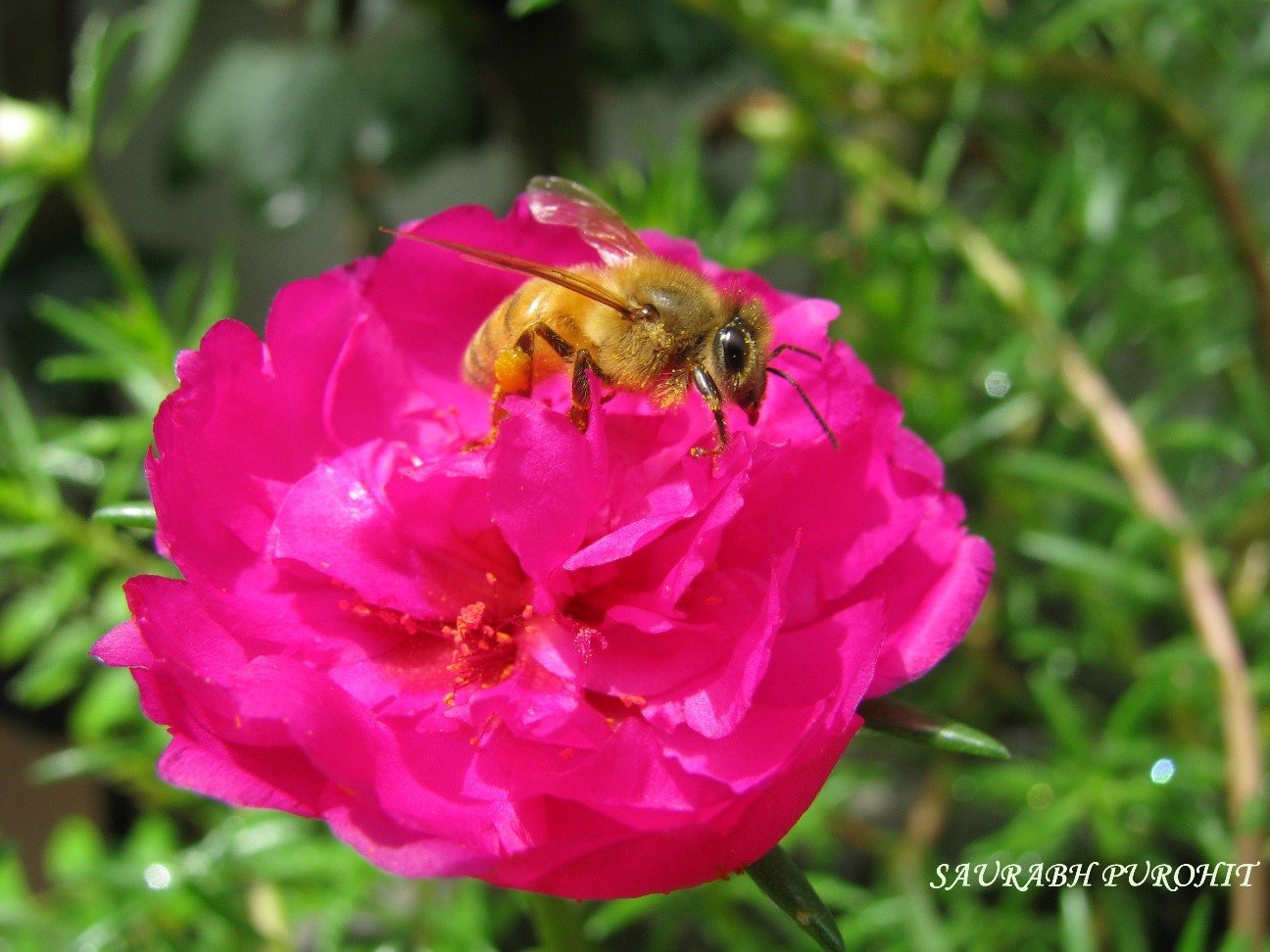
May 20th, marks the celebration of World Bee Day. This day pays tribute to Anton Janša, a key figure in modern beekeeping and a trailblazer in the world of apiculture. The aim of World Bee Day is to emphasize the essential role pollinators like bees
A Better Tomorrow
Stories, Practices, and Solutions
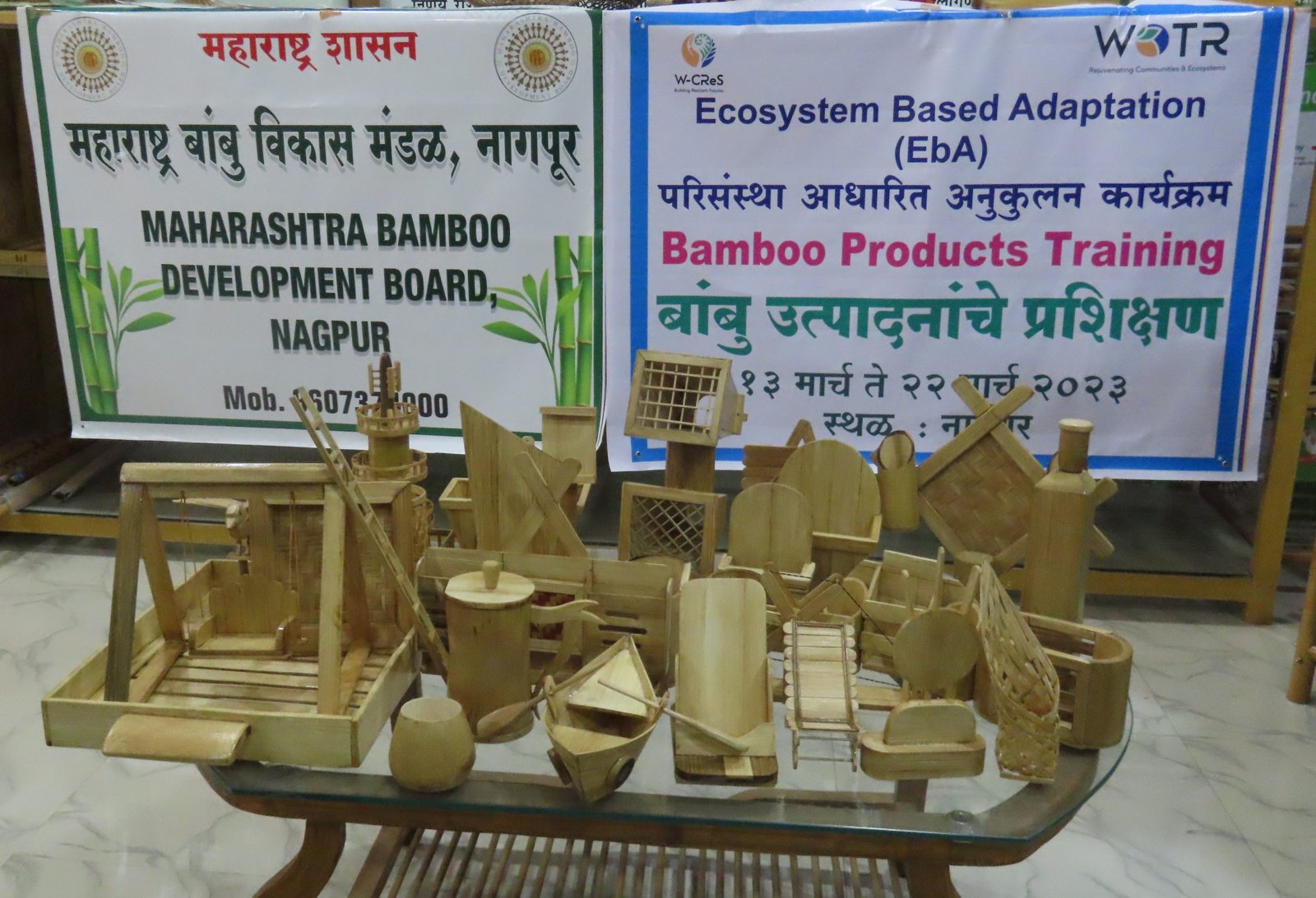
Bamboo, a remarkably versatile and swiftly growing member of the grass family, Poaceae, falls within the Bambusoideae subfamily. Distinguished by its woody culms, robust rhizomes, rare flowering, and intricate branching patterns, this unique plant
Nestled in the backyards of homes, kitchen gardens—often known as backyard gardens—serve as intimate, small-scale havens for growing an enchanting array of vegetables, herbs, fruits, and occasionally even flowers. With a focus on
India, predominantly an agricultural nation, is currently facing a significant challenge in ensuring food security for its ever-growing population. With agriculture accounting for about 70% of the country’s water consumption, efficient water
Achieving food security in India with 17.7% of the world’s population but only 2.4% of its land1 is a daunting task. Despite an estimated food production of 314 million metric tons in 2021-2022, the country still faces the challenge of feeding its
Despite its humble beginnings, WOTR has carved out its identity as one of the most trusted Indian non-profits in Integrated Watershed Development, Water Resources Management, environment conservation and climate change adaptation.
India is mostly a rural country. According to the 2011 Census, 68.8% of the population and 72.4% of the work force live in rural areas (Chand et al., 2017). 46% of the country’s income comes from the rural economy (Economic Times, 2021). 46% of the country’s income
India is the second largest producer of rice, wheat, sugarcane, groundnut, vegetables, fruit, and cotton and the largest producer of milk, pulses, and jute in the world. As an agrarian country, 70% of India’s rural population depends on agriculture as their
Enough has been said about the looming water crisis that is getting worse with each passing day. Despite all the warnings, the efforts for water conservation and management have been abysmally sluggish. The situation is even more
The repercussions of climate change are becoming increasingly real and frightening with each passing day. While global warming has had a significant impact on modern agriculture, interestingly, the sector is also one of the contributors to climate
By Categories
By Tags
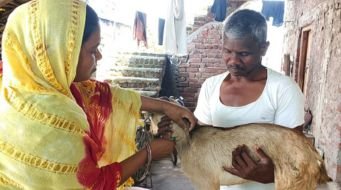
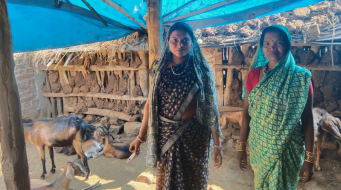
Pashu Sakhi initiative empowers rural women as para-vets, improving livestock health, boosting incomes, and strengthening climate-resilient rural livelihoods.
A socio-technical watershed approach helped communities restore ecosystems, strengthen institutions and secure livelihoods, creating resilience that has endured for generations.
The Rabi Jal Pehal project brought trained Pashusakhis to Agarbatti’s doorstep, offering affordable livestock care and practical guidance.
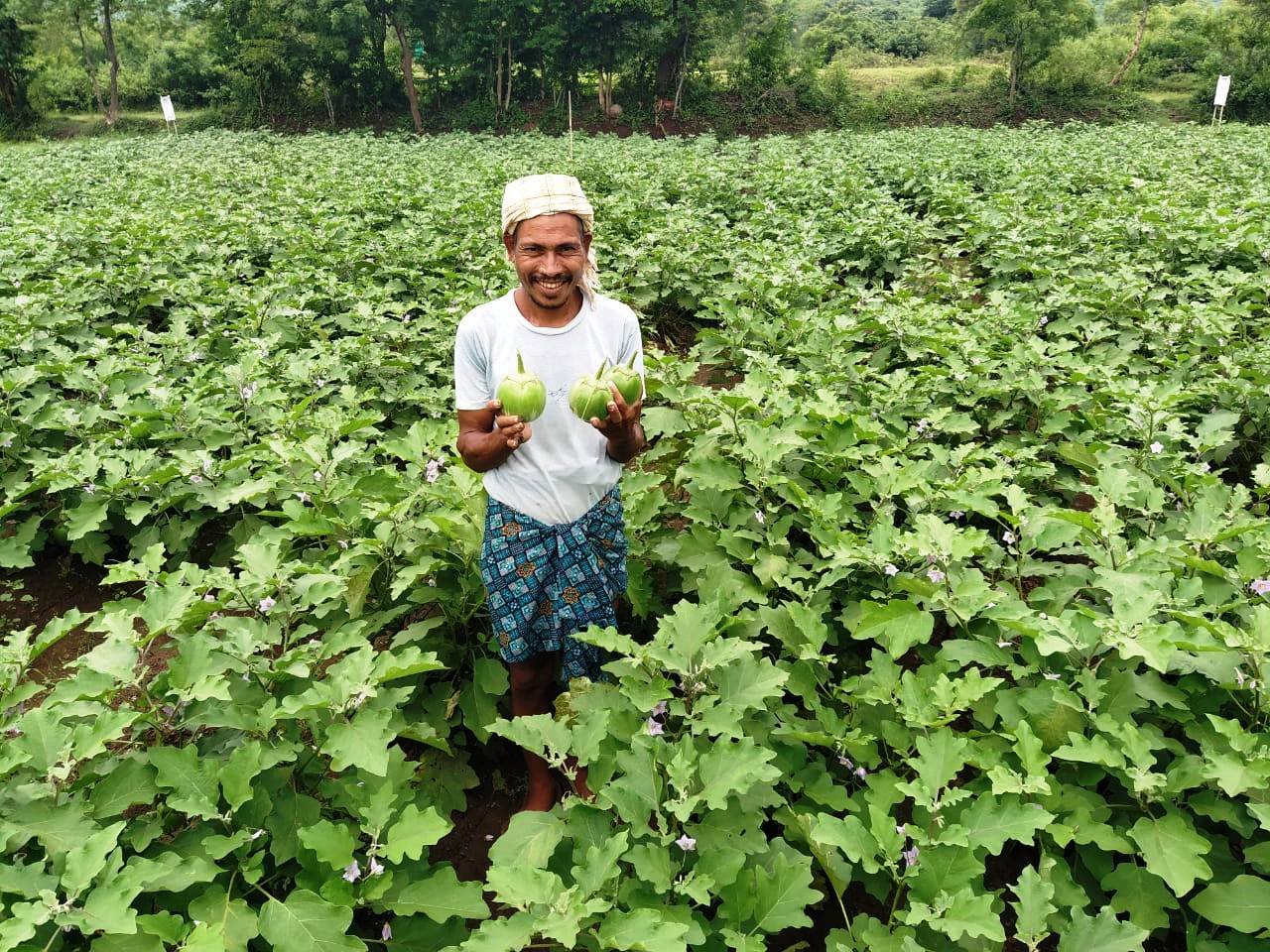
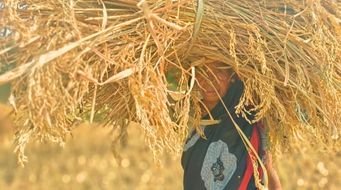
Explore the golden beauty of Chhattisgarh’s harvest, where tradition meets modern science in the vibrant fields of India’s rice bowl.
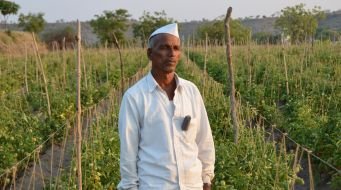
Read how the results of community-led watershed development remain evident even after 25 years in the rain-shadow area of Maharashtra.
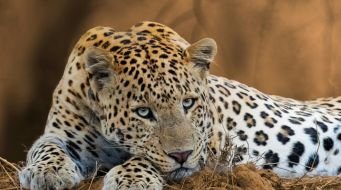
Leopards in Pune reveal how cities reshape wildlife boundaries, forcing us to rethink coexistence beyond romance, fear, and reactive conservation.
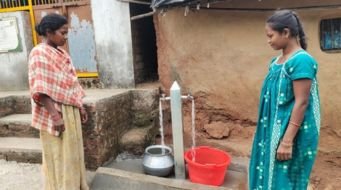
Women of this village in Odisha walked eight kilometers daily for drinking water until the solar-powered borewell transformed lives.
India’s Supreme Court reimagines corporate responsibility, weaving environmental stewardship, biodiversity protection, and sustainable development into the heart of business ethics.