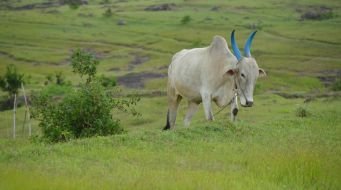
Exploring village-based systems through Ecosystem-based Adaptation (EbA) offers promising, sustainable solutions for the livestock sector.
A Better Tomorrow
Stories, Practices, and Solutions
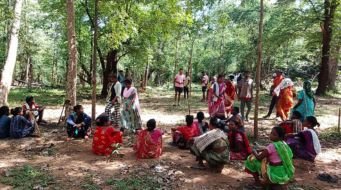
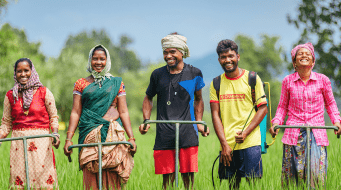
A three-year project by WOTR and HDFC Bank Parivartan aims to uplift 11,700 people in 40 tribal villages of Gadchiroli through sustainable agriculture, water conservation, and livelihood development.
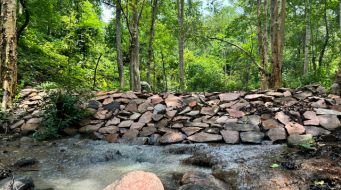
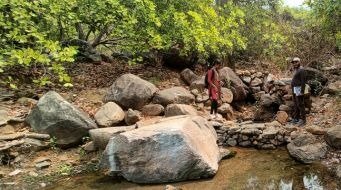
Soil erosion in Koriya, Chhattisgarh, threatens agriculture and infrastructure, requiring solutions like Loose Boulder Structures (LBS). LBS, a cost-effective method, controls erosion, conserves water, and supports local ecosystems.
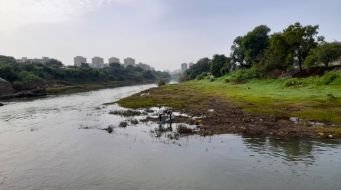
Urbanization and water scarcity are escalating challenges, but often overlooked, urban wetlands, offer crucial solutions. These vibrant ecosystems, found within or near cities, provide vital environmental benefits.
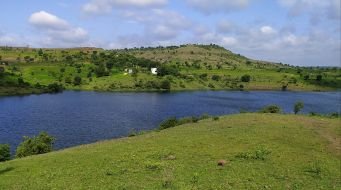
Maharashtra, leads in implementing water harvesting initiatives, with over 99% of its 97,062 water bodies being artificial. W-CReS collaborated with ATE Chandra Foundation to assess the impact of rejuvenation of water bodies five years after implementation.
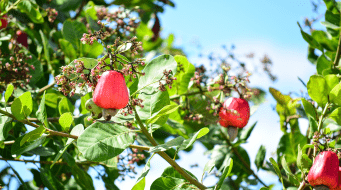
In Odisha’s Guma block, cashew plantations have become a transformative force for tribal communities, offering economic stability, reducing migration, and empowering women through sustainable agricultural practices. Managed in partnership with WOTR, these initiatives not only enhance local livelihoods but also promote biodiversity and soil health, marking a significant step towards sustainable development in the region.
WOTR is organising a pivotal three-day training event on EbA for Sustainable Ecosystems, set to take place from the 27th to the 29th of February 2024 at the Darewadi Learning Centre in Ahmednagar, Maharashtra.
The Government of Maharashtra, through its Department of Environment and Climate Change (DoE-CC), has joined forces with the Watershed Organisation Trust (WOTR), a renowned non-profit organisation and think tank, to forge a path toward sustainable and resilient development.
The Raan Bhaji festival celebrates indigenous, wild edible plants used in local cuisine, highlighting the ancient diet of human civilisations. Wild Edible Plants (WEPs) thrive independently, predating modern agriculture. WEPs are integral to the sustenance of traditional and indigenous food methodologies, particularly within rural and
Beneath climate change’s disproportionate burden on rural women lies a story of strength, collaboration, and empowerment. On this International Day of Rural Women, let’s shift the narrative and applaud incredible tales of resilience like those we discovered in WOTR’s project villages in Ahmednagar
By Categories
By Tags
When we mix weather,climate and climate change terms together, it can lead to confusion about what actually caused an event, who is responsible, and what actions are most effective
Explore WOTR’s 13-year journey across villages in Odisha, reaching over one lakh people through community-led watershed and livelihood interventions.
The Global South is being asked to shoulder the world’s nature and climate ambitions while global finance continues to move decisively in the opposite direction.
Read a collection blogs which brings together five stories from WOTR’s blog, shaped by the everyday lives, struggles, and choices of people in rural India. Told from the ground up, these pieces reflect moments of resilience, learning, and collective effort around water, livelihoods, and social change.
A water storage capacity of 2.5 million litres was created, bringing 64.25 acres of barren land back under cultivation while reducing soil erosion and improving groundwater recharge.
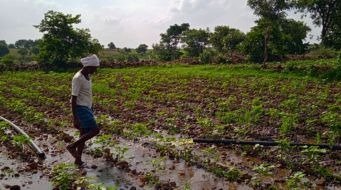
Maruti implemented a series of watershed interventions, including a farm pond and Water Absorption Trenches (WATs) to prevent surface runoff and recharge the aquifers
The Kadasi Revenue village in Odisha, which gets water from five springs, provided a closer look at the interplay between nature, community, and water resources to W-CReS researcher Navnath Ghodake during his field visit.
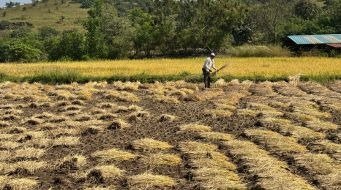
Farmers in rural Maharashtra are transforming their harvests and building climate resilience through innovative crop protection and sustainable agricultural growth.