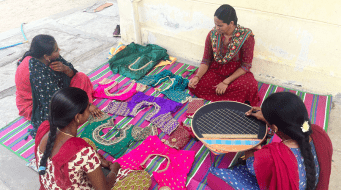
Lambadi women in Telangana have revitalised the traditional craft of Maggam embroidery, enabling them to earn a stable income from home. This change, initiated by a training program from WOTR, has allowed them to avoid migration for labor work and support their families better. Women now earn Rs 5,000-10,000 through their embroidery, which also preserves their cultural heritage.
A Better Tomorrow
Stories, Practices, and Solutions
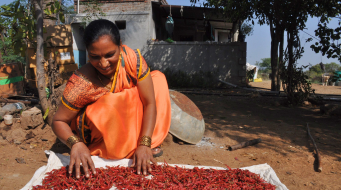
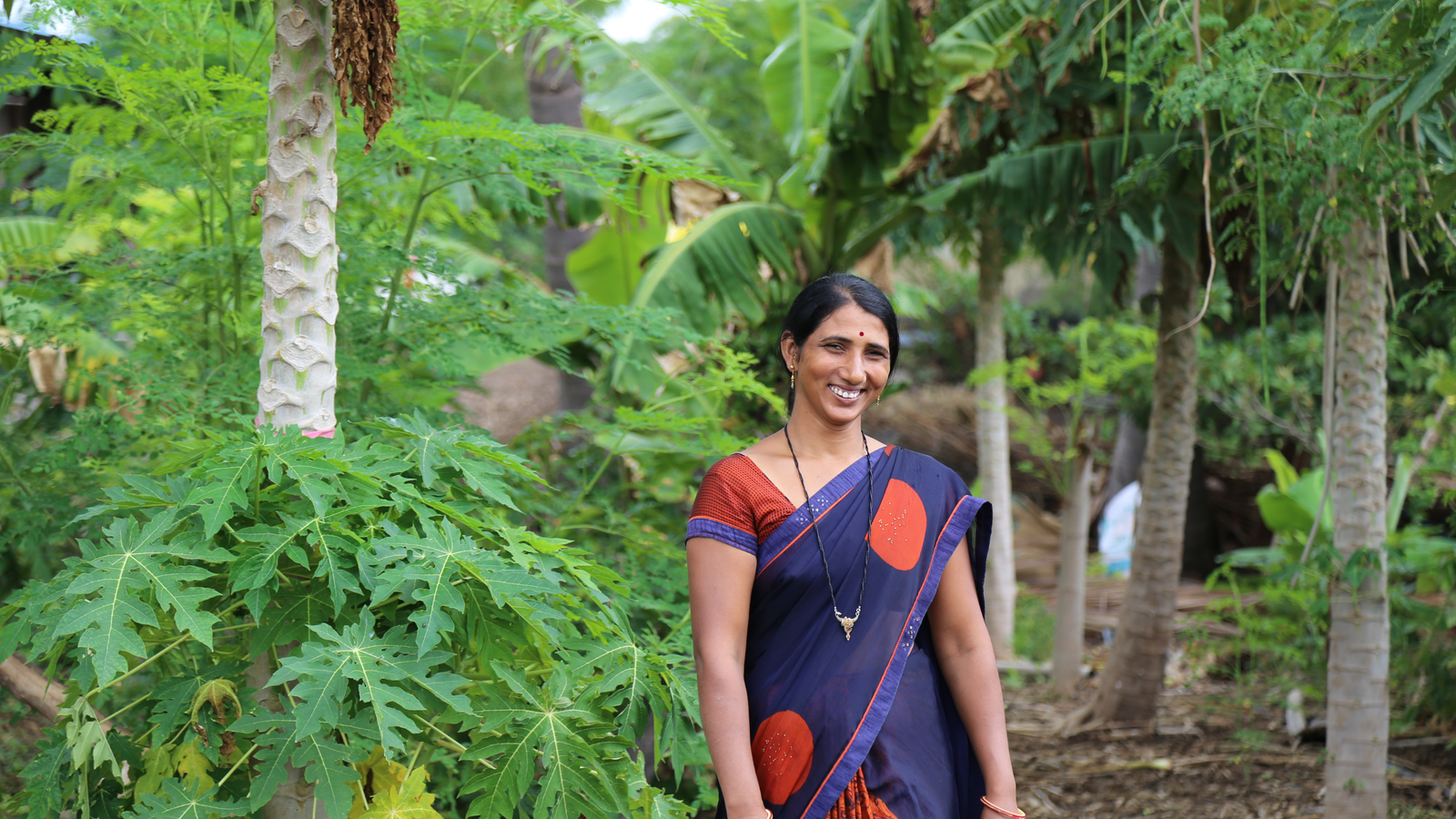
In many parts of rural India, patriarchal norms and social stigma confine women to the default role of a homemaker. HSBC’s ‘Promoting Entrepreneurship, Employment Opportunities, and Increased Incomes in Maharashtra’ programme, changed the lives of 1,700 women across 20 villages in Karjat and Shrigonda in Maharashtra, empowering them to become entrepreneurs. Defying tradition, these women today are building successful businesses and transforming their communities.
Women in every corner of the world face a relentless barrage of obstacles: unequal pay, limited access to opportunities, and the constant threat of violence and discrimination. In rural communities, these burdens are often magnified, stifling women’s potential and trapping them in cycles of poverty and oppression. This blog unveils the powerful stories of women from rural Maharashtra who shattered these cycles of hardship and patriarchy.
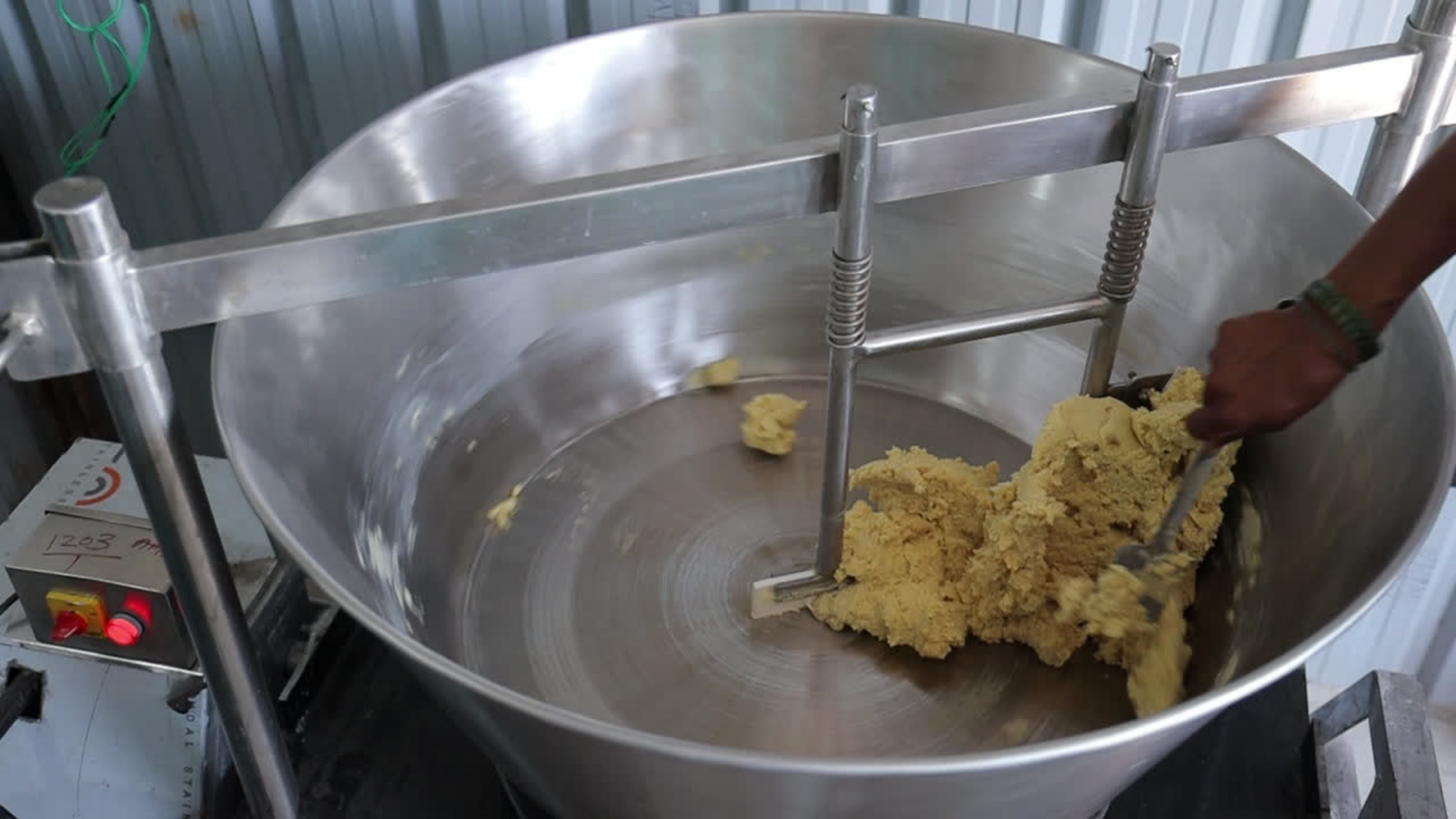
In the village of Jawalga Bet, Ranjana’s dreams of a brighter future seemed distant amidst her family’s modest income. However, an opportunity arose through IndusInd Bank’s Flagship Program, implemented by WOTR and Sampada Trust. With their support, Ranjana ventured into entrepreneurship, establishing her own Khova unit.
This story is from the booklet ‘Seeding Entrepreneurs: Stories of Women Entrepreneurs from Karjat and Shrigonda Blocks in Ahmednagar District, Maharashtra,’ published as a part of the ‘Promoting Entrepreneurship, Employment Opportunities, and Increased Incomes in Maharashtra’ programme of HSBC.
This story is from the booklet ‘Seeding Entrepreneurs: Stories of Women Entrepreneurs from Karjat and Shrigonda Blocks in Ahmednagar District, Maharashtra,’ published as a part of the ‘Promoting Entrepreneurship, Employment Opportunities, and Increased Incomes in Maharashtra’ programme of HSBC
This story is from the booklet ‘Seeding Entrepreneurs: Stories of Women Entrepreneurs from Karjat and Shrigonda Blocks in Ahmednagar District, Maharashtra,’ published as a part of the ‘Promoting Entrepreneurship, Employment Opportunities, and Increased Incomes in Maharashtra’ programme of HSBC.
Post Excerpt This story is from the booklet ‘Seeding Entrepreneurs: Stories of Women Entrepreneurs from Karjat and Shrigonda Blocks in Ahmednagar District, Maharashtra,’ published as a part of the ‘Promoting Entrepreneurship, Employment Opportunities, and Increased Incomes in Maharashtra’ programme of HSBC.
This story is from the booklet ‘Seeding Entrepreneurs: Stories of Women Entrepreneurs from Karjat and Shrigonda Blocks in Ahmednagar District, Maharashtra,’ published as a part of the ‘Promoting Entrepreneurship, Employment Opportunities, and Increased Incomes in Maharashtra’ programme of HSBC.
By Categories
By Tags
W-CReS researchers’ journey across Maharashtra documenting good O&M practices turned into a travel across diverse terrains and lived realities, with each step testing perception and decision-making
Mahavir’s farm has moved from producing what felt safe to what the local market needs.
The growing use of synthetic and glass-coated kite thread, commonly known as manjha, has turned a leisure activity into a serious public safety and environmental issue
In rain-dependent landscapes, Participatory Net Planning puts people at the centre of watershed decisions, building ownership that lasts beyond projects, it creates site-specific solutions that strengthen livelihoods.
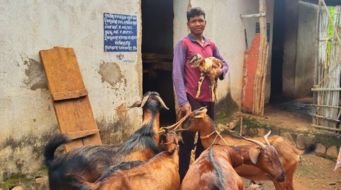
32-year-old Menej Raito of Kumbhijal village in Odisha’s Rayagada district earn an income in his own village and does not need to migrate anymore.
Read how ecohydrology provides the scientific foundation needed to link ecosystem restoration with reliable water outcomes.
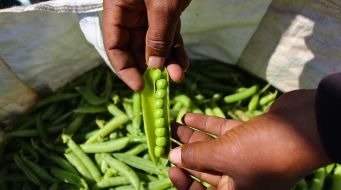
Depleted soil is quietly reducing the nutrients in our food, driving hidden hunger despite full plates and rising food production.
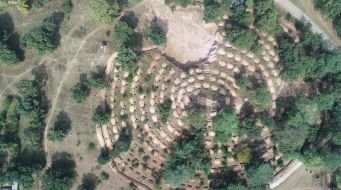
Trees Transform Nallavelly village as 10,000 saplings revive barren drylands through community action, scientific planning, and sustainable rural afforestation.