Despite its humble beginnings, WOTR has carved out its identity as one of the most trusted Indian non-profits in Integrated Watershed Development, Water Resources Management, environment conservation and climate change adaptation.
A Better Tomorrow
Stories, Practices, and Solutions
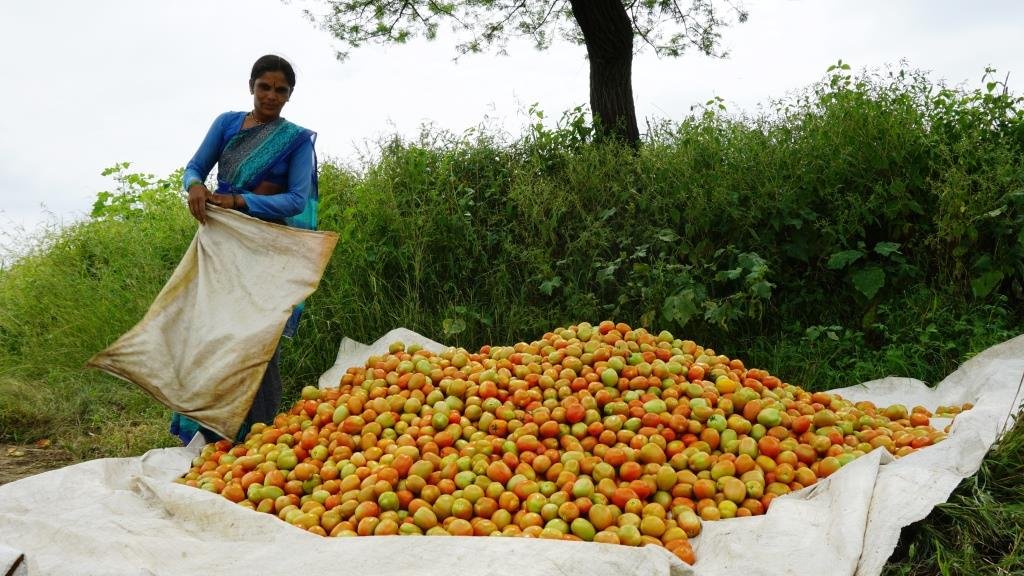
A webinar on ‘Promoting FPOs for resilient incomes and sustainable farming practices in India’ brought together practitioners and experts to discuss emergent challenges and opportunities related to Farmer Producer Organisations (FPOs) and
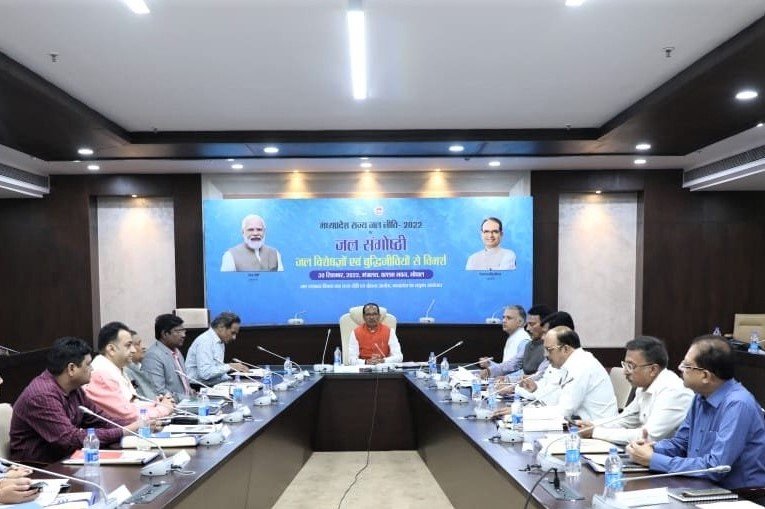
On 30th September 2022, WOTR participated in a one-day conclave convened by the Madhya Pradesh (MP) State Policy & Planning Commission to invite suggestions to modify the State Water Policy at the Mantralaya in Bhopal. Dr Eshwer Kale, representing WOTR,
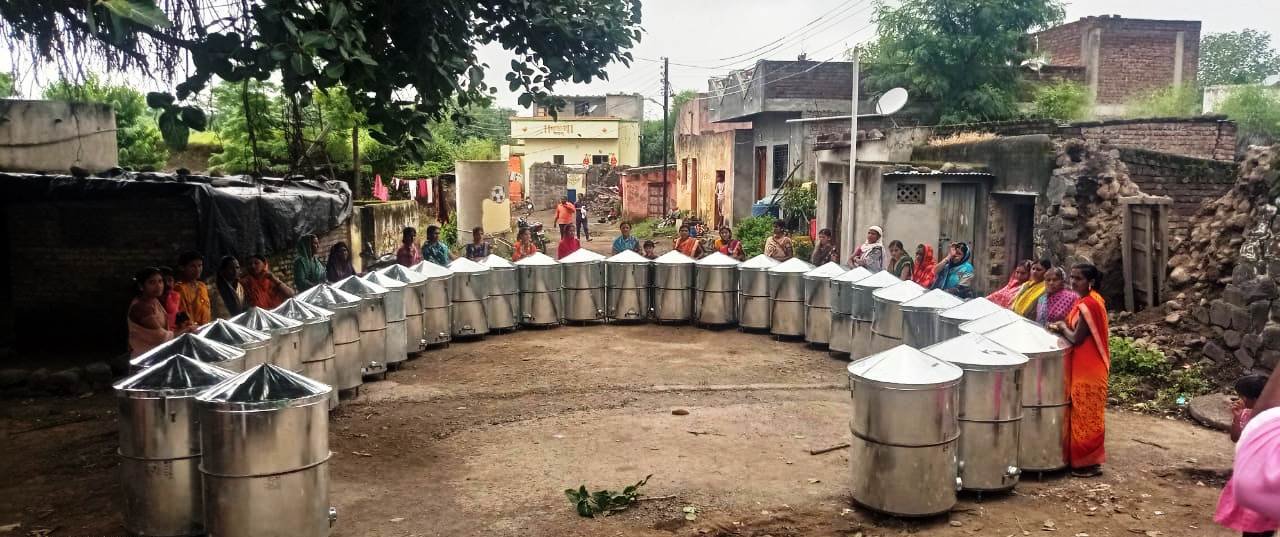
For rural households that are primarily dependent on agriculture, grain storage units made from steel and aluminium offer relief from time poverty and save women the effort of continuous grain monitoring. The time gained
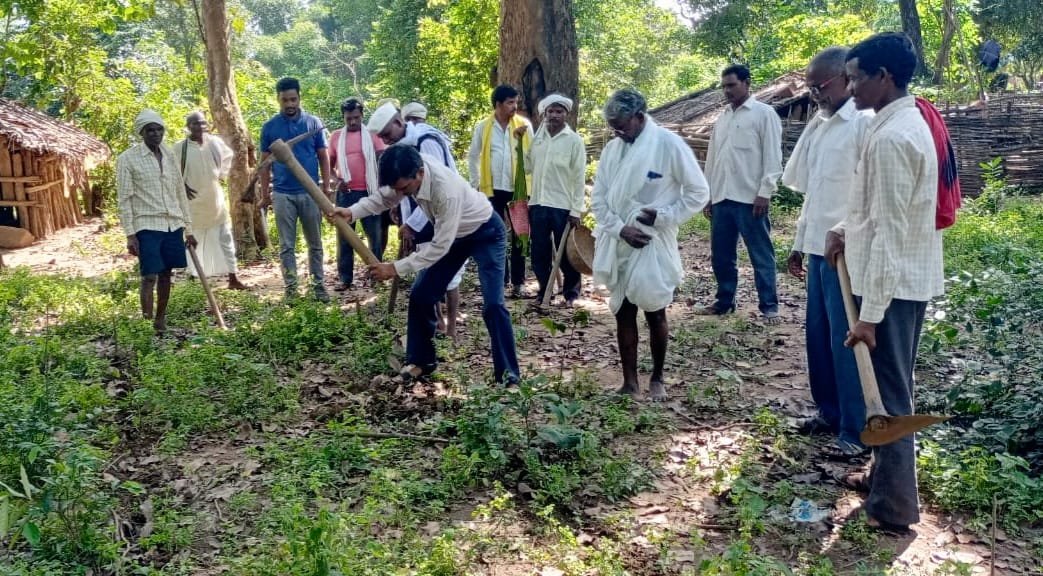
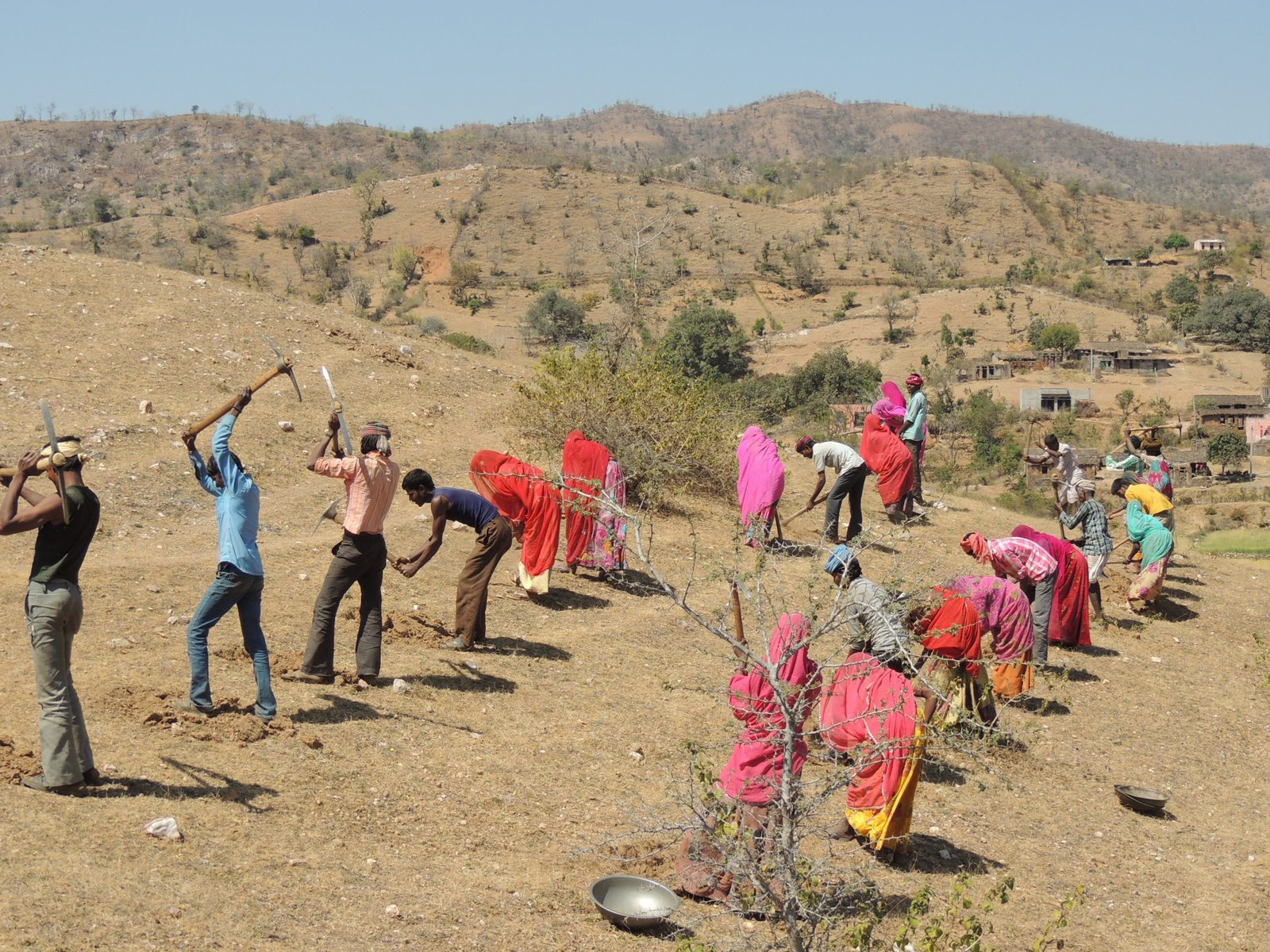
WOTR has been working for integrated water resource management and sustainable agriculture in rural communities across India for decades to empower people in rural regions, nurture and build resilient livelihoods. On the 12th of October, 2022
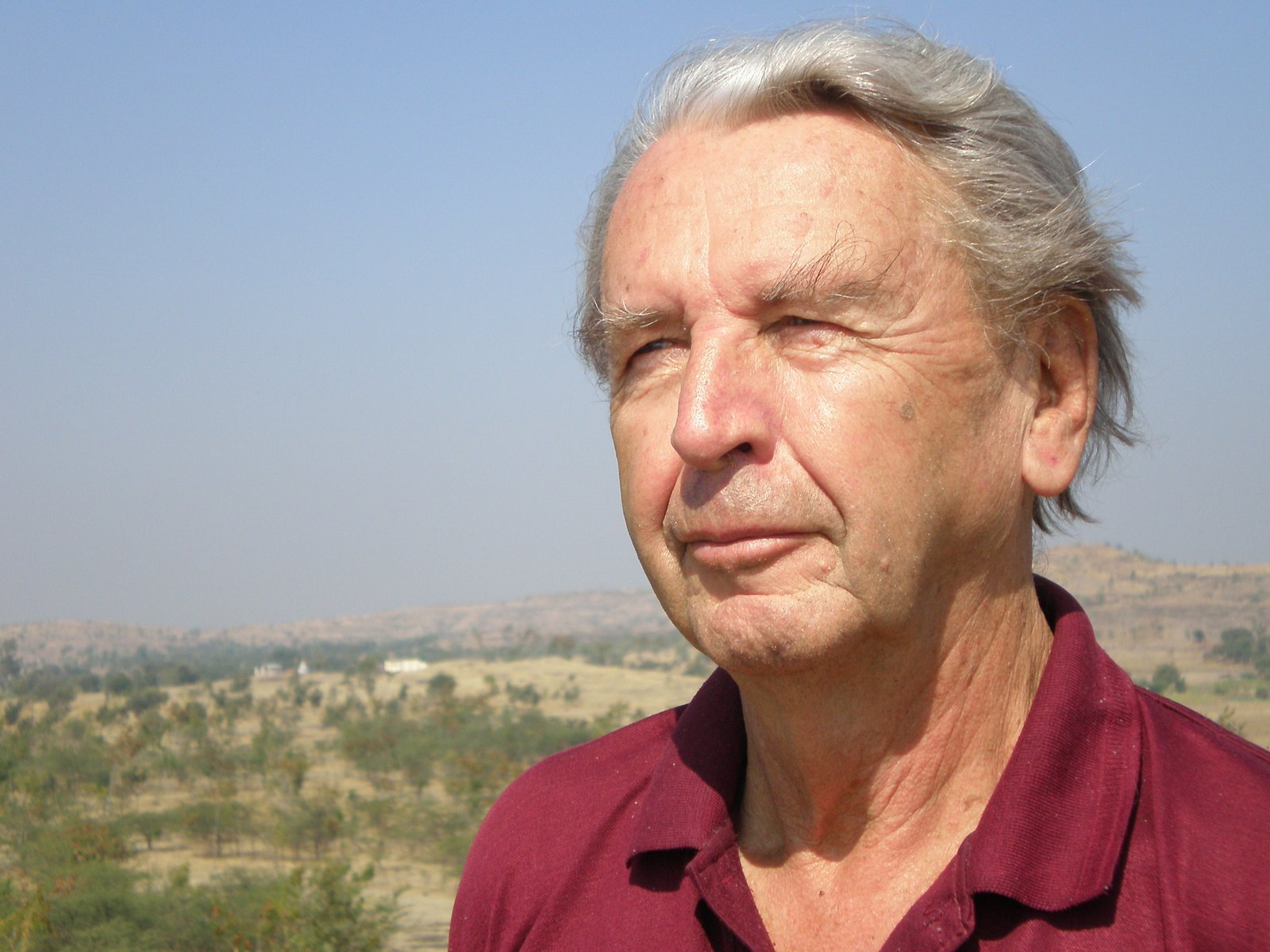
Hermann Bacher, popularly known as Bacher Baba or Father Bacher, initiated the people-led watershed movement in rural India, working tirelessly for the upliftment of the poor and marginalised communities. When Maharashtra was hit by a
By Categories
By Tags
W-CReS researchers’ journey across Maharashtra documenting good O&M practices turned into a travel across diverse terrains and lived realities, with each step testing perception and decision-making
Mahavir’s farm has moved from producing what felt safe to what the local market needs.
The growing use of synthetic and glass-coated kite thread, commonly known as manjha, has turned a leisure activity into a serious public safety and environmental issue
In rain-dependent landscapes, Participatory Net Planning puts people at the centre of watershed decisions, building ownership that lasts beyond projects, it creates site-specific solutions that strengthen livelihoods.
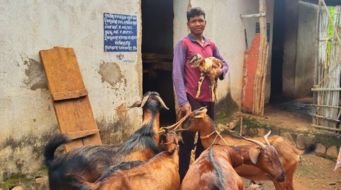
32-year-old Menej Raito of Kumbhijal village in Odisha’s Rayagada district earn an income in his own village and does not need to migrate anymore.
Read how ecohydrology provides the scientific foundation needed to link ecosystem restoration with reliable water outcomes.
Depleted soil is quietly reducing the nutrients in our food, driving hidden hunger despite full plates and rising food production.
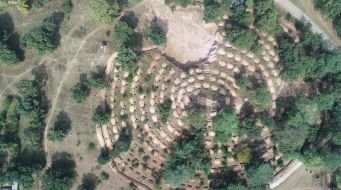
Trees Transform Nallavelly village as 10,000 saplings revive barren drylands through community action, scientific planning, and sustainable rural afforestation.