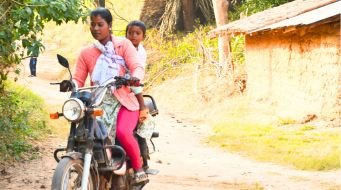
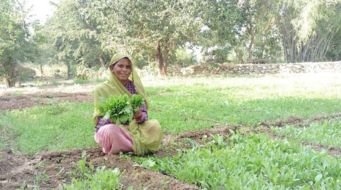
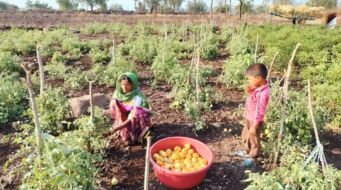
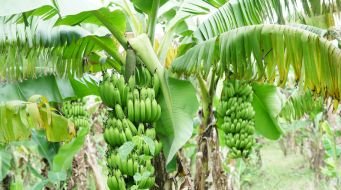
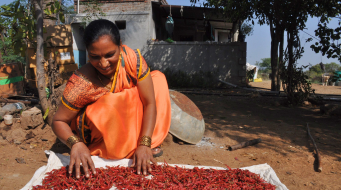
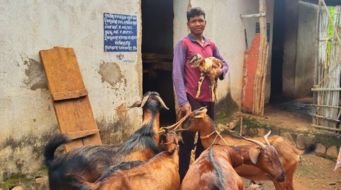
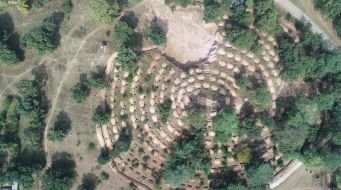
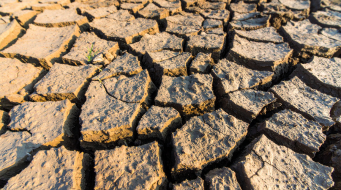
Albinas and Nishi from Jharkhand were given hand-holding support by WOTR to gain access to the MGNREGA scheme and get approvals for their mango plantation. Now, they have emerged as a successful couple in their village.
A Better Tomorrow
Stories, Practices, and Solutions
Alma Xalxo, 26, is a Wasundhara Sevika, or Community Resource Person (CRP) with WOTR, acting as a bridge between the organisation and the people in villages.
For Saroj Devi, multilayer farming marked a turning point in her farming career, ultimately providing a stable and diverse source of food for her family and the community.
This case study highlights the journey of Eta Bai Rathod from Kangti Mandal, in Sangareddy district, exemplifying how targeted interventions can improve livelihoods through sustainable agricultural practices. Eta Bai’s story illustrates the convergence of water management, crop diversification, and institutional support—strategies critical for addressing India’s agrarian challenges.
Within a small place, Singaram Budhundu from Telangana and his family members manage a small kitchen garden which provides his family with a steady stream of fruits and vegetables, adds to their nutrition and also boosts the family income
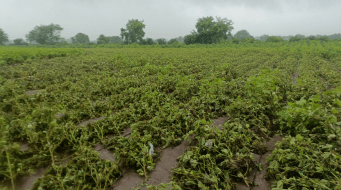
A case study of flood impact using SAR data from Mantha in Jalna district, Maharashtra
Amidst the challenges of the Covid-19 lockdown, Rayagada district in Odisha harnessed community strength to drive change. Through initiatives like sustainable agriculture, alternative livelihoods, and the construction of watershed structures, villagers collaborated to improve water management, boost incomes, and enhance resilience against climate and economic hardships.
In rural Maharashtra, communities have become water stewards with support from WOTR. Villages like Borgaon Math and Bori Khurd have adopted rainwater harvesting, micro-irrigation, and organic farming, boosting water availability and crop yields.
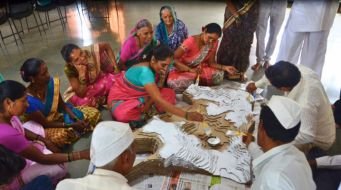
In many parts of rural India, patriarchal norms and social stigma confine women to the default role of a homemaker. HSBC’s ‘Promoting Entrepreneurship, Employment Opportunities, and Increased Incomes in Maharashtra’ programme, changed the lives of 1,700 women across 20 villages in Karjat and Shrigonda in Maharashtra, empowering them to become entrepreneurs. Defying tradition, these women today are building successful businesses and transforming their communities.
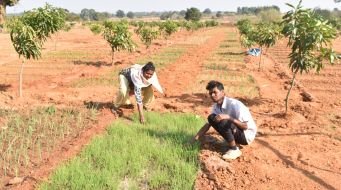
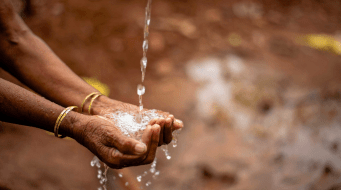
Parched villages in Karauli and Udaipur districts of Rajasthan, on the brink of despair due to water scarcity, are finding a lifeline through the “Wasundhara Gram Vikas Karykram” project, backed by the YES Foundation. This is a testament to human resilience, a story of hope blossoming amidst hardship in the harshest of landscapes.
By Categories
By Tags
W-CReS researchers’ journey across Maharashtra documenting good O&M practices turned into a travel across diverse terrains and lived realities, with each step testing perception and decision-making
Mahavir’s farm has moved from producing what felt safe to what the local market needs.
The growing use of synthetic and glass-coated kite thread, commonly known as manjha, has turned a leisure activity into a serious public safety and environmental issue
In rain-dependent landscapes, Participatory Net Planning puts people at the centre of watershed decisions, building ownership that lasts beyond projects, it creates site-specific solutions that strengthen livelihoods.
32-year-old Menej Raito of Kumbhijal village in Odisha’s Rayagada district earn an income in his own village and does not need to migrate anymore.
Read how ecohydrology provides the scientific foundation needed to link ecosystem restoration with reliable water outcomes.
Depleted soil is quietly reducing the nutrients in our food, driving hidden hunger despite full plates and rising food production.
Trees Transform Nallavelly village as 10,000 saplings revive barren drylands through community action, scientific planning, and sustainable rural afforestation.