The Watershed Organisation Trust finds significant alignment between the recommendations by the Global Commission on the Economics of Water’s report and our own Water Stewardship Initiative
A Better Tomorrow
Stories, Practices, and Solutions
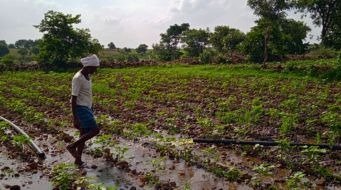
Pandarinath Shinde, a jal sevak with WOTR, helps farmers adapt to climate change by teaching efficient water management and farming practices. He has implemented techniques like micro-irrigation and soil testing on his farm, increasing his income and assisting other farmers in improving their crop yields.
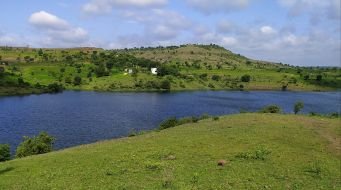
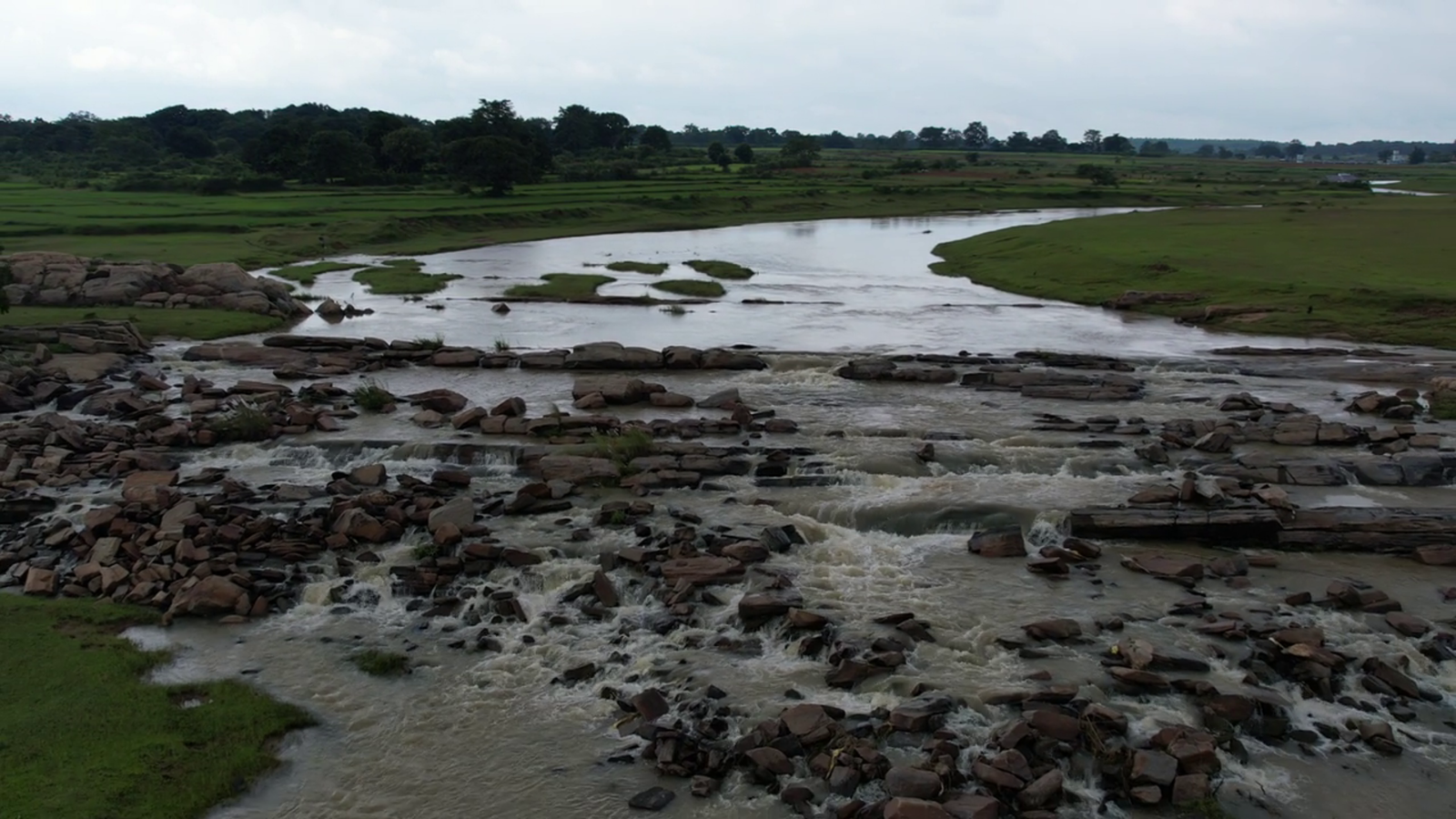
Maharashtra, leads in implementing water harvesting initiatives, with over 99% of its 97,062 water bodies being artificial. W-CReS collaborated with ATE Chandra Foundation to assess the impact of rejuvenation of water bodies five years after implementation.
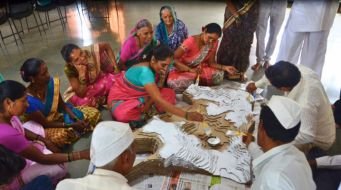
Borgaon Budruk’s Village Development Committee (VDC) and Village Water Management Teams (VWMT) have successfully addressed water scarcity through community-driven water conservation efforts, significantly improving local conditions.
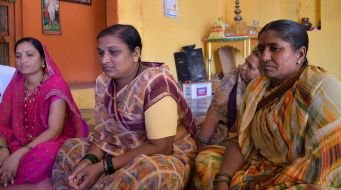
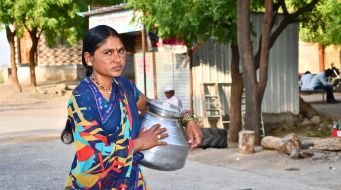
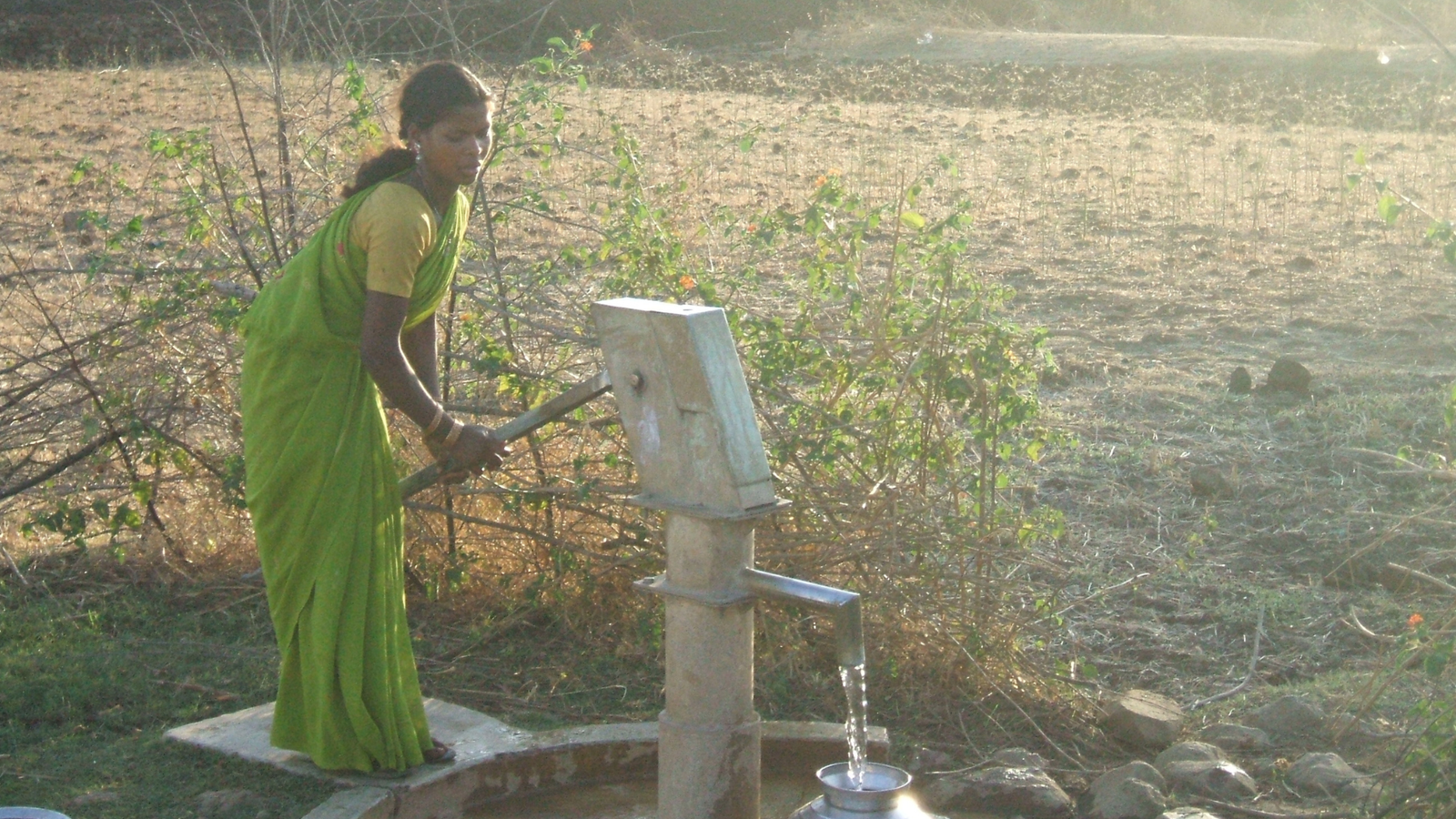
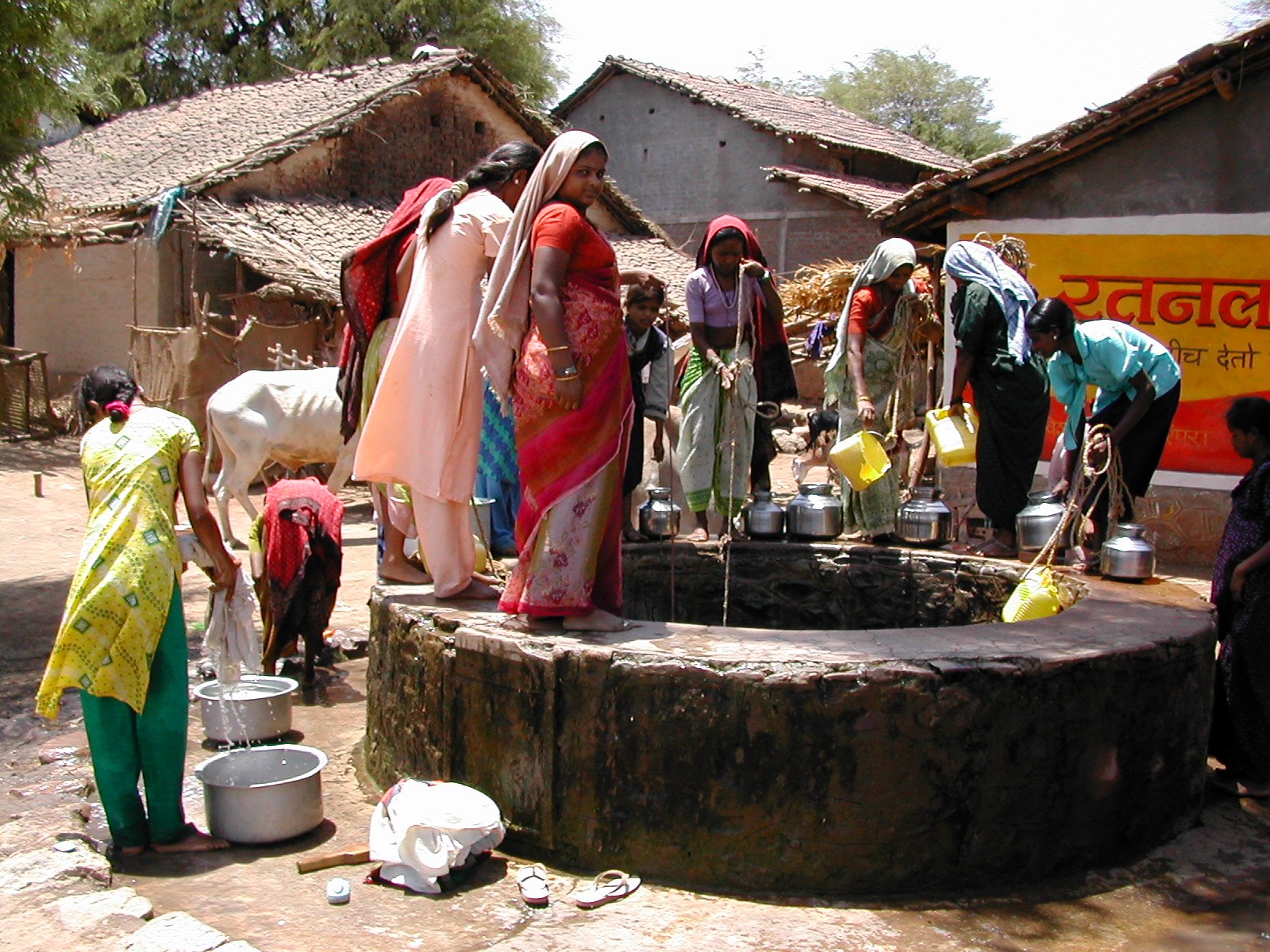
The village of Borgaon Math relied on one hand pump, leading to shortages and conflicts. Bhagirathi, a farmer, often traveled long distances for water, impacting daily life and her children’s education .WOTR’s efforts have provided reliable water access, improving living conditions and education.
In rural Maharashtra, communities have become water stewards with support from WOTR. Villages like Borgaon Math and Bori Khurd have adopted rainwater harvesting, micro-irrigation, and organic farming, boosting water availability and crop yields.
Madhya Pradesh, with over 72% rural population, relies heavily on groundwater, vital for agriculture and daily life. The 2022 Dynamic Groundwater Assessment shows a complex pattern of usage, recharge, and depletion, demanding urgent attention and action.
Can we rise to the challenge and become the custodians of water-the precious pearl, the lifeblood of our planet?
Groundwater resources in India, a lifeline for millions of people and a driving force behind its economic growth, are under immense pressure due to population growth, climate change, and unregulated exploitation. The availability and
The CoDriVE – Visual Integrator 3D Surface Model is an innovative tool that empowers villagers to visualise their surface topography from a bird’s eye view perspective. Developed by WOTR and its research arm W-CReS (WOTR Centre for Resilience
By Categories
By Tags
When we mix weather,climate and climate change terms together, it can lead to confusion about what actually caused an event, who is responsible, and what actions are most effective
Explore WOTR’s 13-year journey across villages in Odisha, reaching over one lakh people through community-led watershed and livelihood interventions.
The Global South is being asked to shoulder the world’s nature and climate ambitions while global finance continues to move decisively in the opposite direction.
Read a collection blogs which brings together five stories from WOTR’s blog, shaped by the everyday lives, struggles, and choices of people in rural India. Told from the ground up, these pieces reflect moments of resilience, learning, and collective effort around water, livelihoods, and social change.

A water storage capacity of 2.5 million litres was created, bringing 64.25 acres of barren land back under cultivation while reducing soil erosion and improving groundwater recharge.
Maruti implemented a series of watershed interventions, including a farm pond and Water Absorption Trenches (WATs) to prevent surface runoff and recharge the aquifers
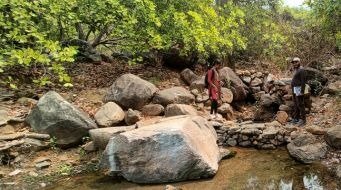
The Kadasi Revenue village in Odisha, which gets water from five springs, provided a closer look at the interplay between nature, community, and water resources to W-CReS researcher Navnath Ghodake during his field visit.
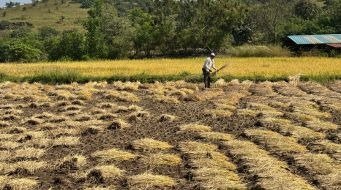
Farmers in rural Maharashtra are transforming their harvests and building climate resilience through innovative crop protection and sustainable agricultural growth.