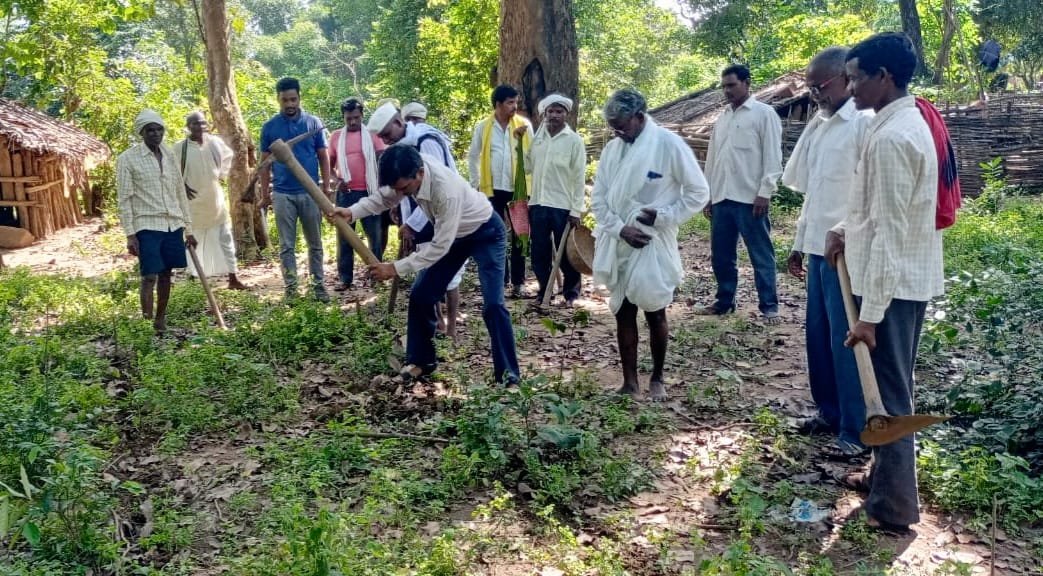
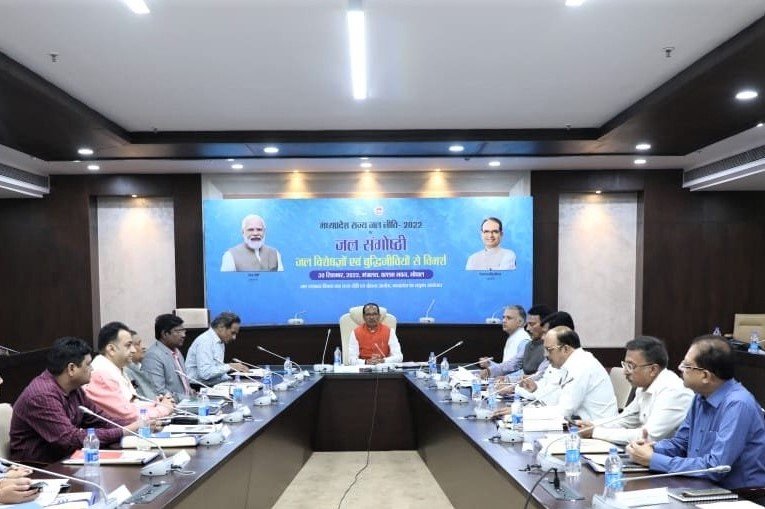
On 30th September 2022, WOTR participated in a one-day conclave convened by the Madhya Pradesh (MP) State Policy & Planning Commission to invite suggestions to modify the State Water Policy at the Mantralaya in Bhopal. Dr Eshwer Kale, representing WOTR,
A Better Tomorrow
Stories, Practices, and Solutions
WOTR has been working for integrated water resource management and sustainable agriculture in rural communities across India for decades to empower people in rural regions, nurture and build resilient livelihoods. On the 12th of October, 2022
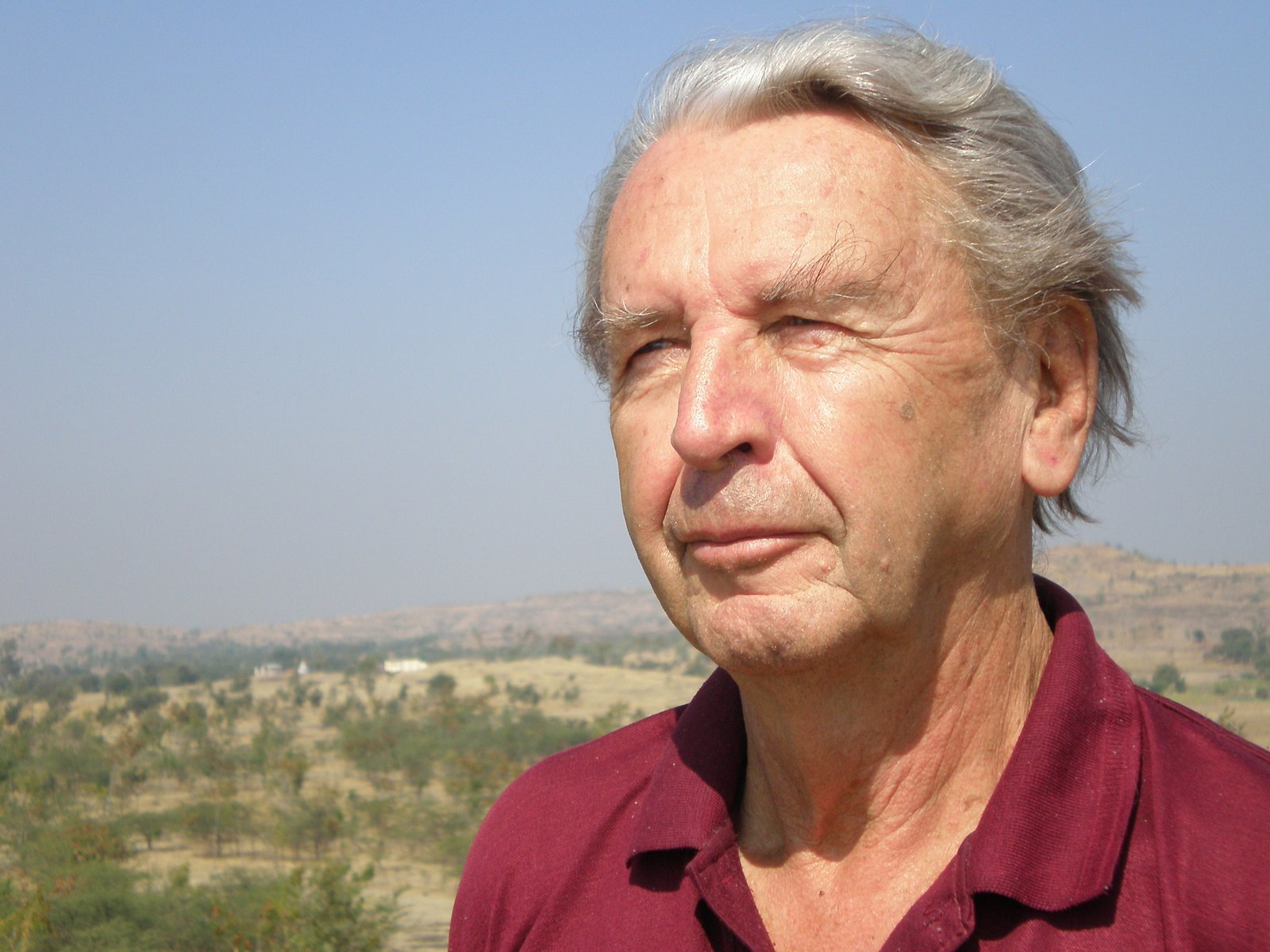
Hermann Bacher, popularly known as Bacher Baba or Father Bacher, initiated the people-led watershed movement in rural India, working tirelessly for the upliftment of the poor and marginalised communities. When Maharashtra was hit by a
Enough has been said about the looming water crisis that is getting worse with each passing day. Despite all the warnings, the efforts for water conservation and management have been abysmally sluggish. The situation is even more
By Categories
By Tags
When we mix weather,climate and climate change terms together, it can lead to confusion about what actually caused an event, who is responsible, and what actions are most effective
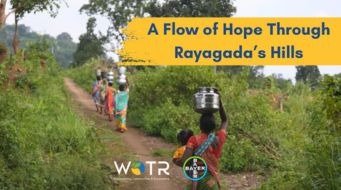
Explore WOTR’s 13-year journey across villages in Odisha, reaching over one lakh people through community-led watershed and livelihood interventions.
The Global South is being asked to shoulder the world’s nature and climate ambitions while global finance continues to move decisively in the opposite direction.
Read a collection blogs which brings together five stories from WOTR’s blog, shaped by the everyday lives, struggles, and choices of people in rural India. Told from the ground up, these pieces reflect moments of resilience, learning, and collective effort around water, livelihoods, and social change.
A water storage capacity of 2.5 million litres was created, bringing 64.25 acres of barren land back under cultivation while reducing soil erosion and improving groundwater recharge.
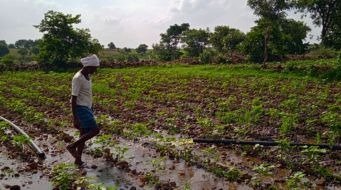
Maruti implemented a series of watershed interventions, including a farm pond and Water Absorption Trenches (WATs) to prevent surface runoff and recharge the aquifers
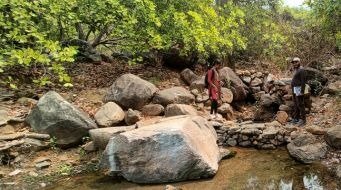
The Kadasi Revenue village in Odisha, which gets water from five springs, provided a closer look at the interplay between nature, community, and water resources to W-CReS researcher Navnath Ghodake during his field visit.
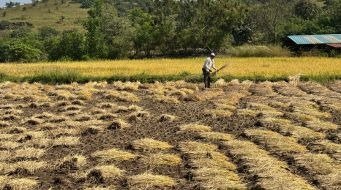
Farmers in rural Maharashtra are transforming their harvests and building climate resilience through innovative crop protection and sustainable agricultural growth.