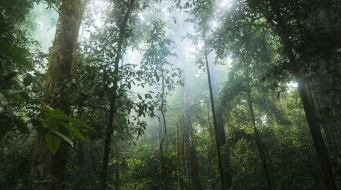
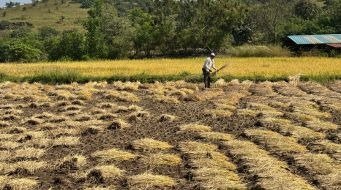
5.33 million trees have vanished from India’s farmlands between 2018 and 2022, with an average loss of 2.7 trees per hectare.
A Better Tomorrow
Stories, Practices, and Solutions
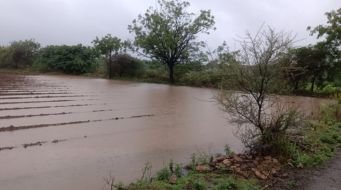
Experts fear early monsoons in Maharashtra could disrupt the sowing and harvesting cycles. We spoke to farmers across Maharashtra to understand their losses, coping strategies, and expectations.
Heat in rural Indian homes is a hidden crisis. Learn how different roof types affect indoor heat levels, and how communities can improve housing for better heat mitigation.
As the heat in India increases, the rising temperature is also affecting the food security of the country. India is focusing on climate-resilient agriculture by developing climate-resilient crop varieties, designed to cope with unpredictable weather and boost farm productivity.
The idea that pollution increases early in development but later decreases as countries get richer and adopt cleaner technologies—as suggested by the Environmental Kuznets Curve—doesn’t hold in reality, where the damage is often lasting and hard to reverse.
As Earth Day 2025 prompts global reflection on sustainability, biodiversity, and climate action, it is an opportunity to examine the intersections between environmental conservation and development in India.
Cooling demands are increasing with extreme heat, but are we meeting our cooling needs responsibly? Uncover the complete story.
At its heart, CSA is about transforming agricultural systems to respond effectively to climate variability and change.
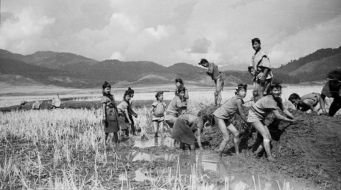
India is also home to a multitude of Indigenous Peoples and Local Communities (IPLCs), each with unique ethical, cultural, and traditional practices. For centuries, these communities have harnessed their Traditional Ecological Knowledge (TEK) to sustain their livelihoods and preserve their cultural identities.
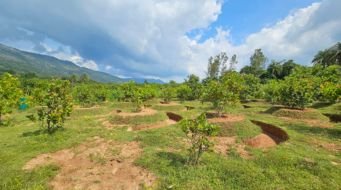
The crescent bund is one of the most effective in-situ soil and water moisture conservation methods used in cashew plantations
By Categories
By Tags
When we mix weather,climate and climate change terms together, it can lead to confusion about what actually caused an event, who is responsible, and what actions are most effective
Explore WOTR’s 13-year journey across villages in Odisha, reaching over one lakh people through community-led watershed and livelihood interventions.
The Global South is being asked to shoulder the world’s nature and climate ambitions while global finance continues to move decisively in the opposite direction.
Read a collection blogs which brings together five stories from WOTR’s blog, shaped by the everyday lives, struggles, and choices of people in rural India. Told from the ground up, these pieces reflect moments of resilience, learning, and collective effort around water, livelihoods, and social change.
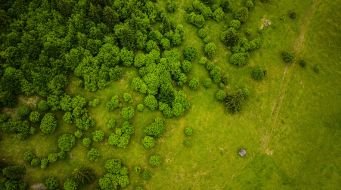
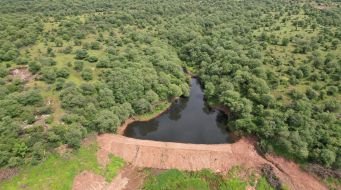
A water storage capacity of 2.5 million litres was created, bringing 64.25 acres of barren land back under cultivation while reducing soil erosion and improving groundwater recharge.
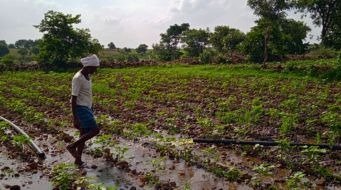
Maruti implemented a series of watershed interventions, including a farm pond and Water Absorption Trenches (WATs) to prevent surface runoff and recharge the aquifers
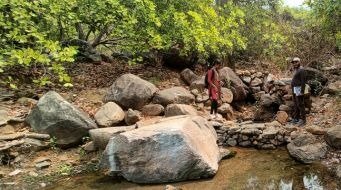
The Kadasi Revenue village in Odisha, which gets water from five springs, provided a closer look at the interplay between nature, community, and water resources to W-CReS researcher Navnath Ghodake during his field visit.
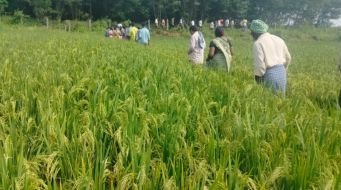
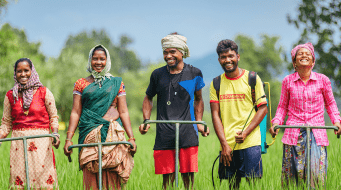
Farmers in rural Maharashtra are transforming their harvests and building climate resilience through innovative crop protection and sustainable agricultural growth.