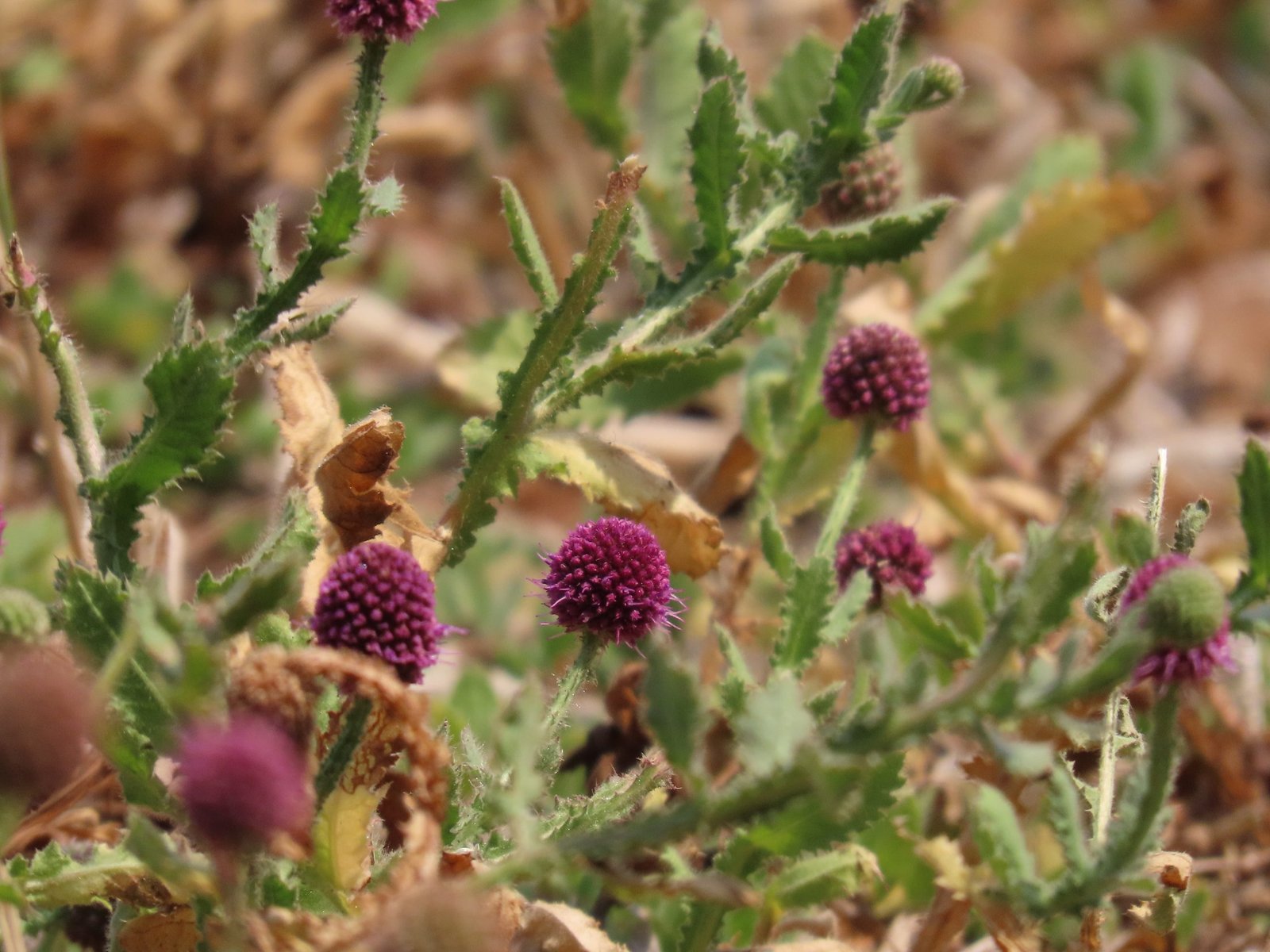
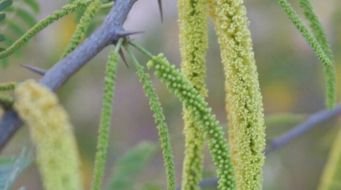
Prosopis juliflora, or Vilayati Kikar, sparks debate for its dual impact on arid and semi-arid landscapes. This invasive species provides valuable ecosystem services (ES) while also causing significant ecosystem disservices (EDS).
A Better Tomorrow
Stories, Practices, and Solutions
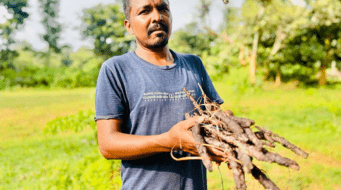
Anuj Mundu, 40, says he went around the whole country searching for money, only to find the ‘paise wale ped’ (money making trees) at home. A resident of Rumutkel village, a hamlet of 144 households in the hilly, remote interiors of Jharkhand’s Khunti district, Mundu, who until some years ago, was forced to migrate to cities to find work, has been cultivating lac, a high-value non-timber forest product, on ber and kusum trees the last five years.
India’s rural biodiversity, vital for resilience against climate change, faces threats from habitat loss and climate variability. Preserving it through community-based conservation and sustainable livelihoods is essential for human survival and a balanced coexistence with nature.
This blog will cover blue carbon, highlighting its role in climate change mitigation and adaptation. It will help us understand its significance in combatting climate change and protecting the planet.
The Mahadev Koli community in Akole, Ahmednagar, Maharashtra celebrates the Wagh Baras festival, observing rituals that venerate nature and embody an ethos of environmental stewardship and peaceful coexistence
The Raan Bhaji festival celebrates indigenous, wild edible plants used in local cuisine, highlighting the ancient diet of human civilisations. Wild Edible Plants (WEPs) thrive independently, predating modern agriculture. WEPs are integral to the sustenance of traditional and indigenous food methodologies, particularly within rural and
Plankton, specifically cyanobacteria (a type of phytoplankton), are the pioneers of photosynthesis on Earth. Yet, when we think of aquatic life, our minds often jump to fish, birds, crabs, and plants. Rarely do we give a thought to plankton, the
Our constitutional forefathers, with their far-sighted vision, had foreseen the crucial role of trees in mitigating the future implications of climate change. Recognising the need to create enthusiasm among people towards conservation, they initiated ‘Van
This incident is from the picturesque village of Purushwadi, nestled among the majestic Sahyadri mountain range in Maharashtra. It was the peak of summer and we, from the Biodiversity and Ecology team of W-CReS, had arrived to collect pre-
Menstruation is a natural process that marks the transition from adolescence to womanhood, and it plays a vital role in women’s reproductive health. Did you know that on average, women spend about five years of their lives menstruating? Taking care of
By Categories
By Tags
When we mix weather,climate and climate change terms together, it can lead to confusion about what actually caused an event, who is responsible, and what actions are most effective
Explore WOTR’s 13-year journey across villages in Odisha, reaching over one lakh people through community-led watershed and livelihood interventions.
The Global South is being asked to shoulder the world’s nature and climate ambitions while global finance continues to move decisively in the opposite direction.
Read a collection blogs which brings together five stories from WOTR’s blog, shaped by the everyday lives, struggles, and choices of people in rural India. Told from the ground up, these pieces reflect moments of resilience, learning, and collective effort around water, livelihoods, and social change.
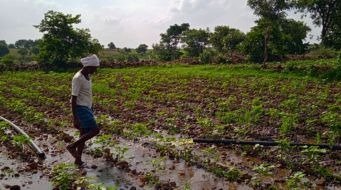
A water storage capacity of 2.5 million litres was created, bringing 64.25 acres of barren land back under cultivation while reducing soil erosion and improving groundwater recharge.
Maruti implemented a series of watershed interventions, including a farm pond and Water Absorption Trenches (WATs) to prevent surface runoff and recharge the aquifers
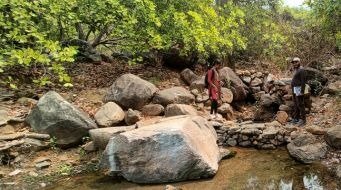
The Kadasi Revenue village in Odisha, which gets water from five springs, provided a closer look at the interplay between nature, community, and water resources to W-CReS researcher Navnath Ghodake during his field visit.
Farmers in rural Maharashtra are transforming their harvests and building climate resilience through innovative crop protection and sustainable agricultural growth.