Category: Uncategorized

” Thoda toh socho “

On the occasion of the World Environment Day we attempted to make a a stop block motion film;a cinematographic technique whereby the camera is repeatedly stopped and started, for example to give animated figures the impression of movement. The film reminds us about simple solutions that we often take for granted. 

Read More »

It’s getting hot in here: Exploring how different housing structures and livelihoods affect vulnerability to heat-waves in rural India

The year 2016 was the warmest year ever recorded globally according to the Indian Meteorological Department (IMD).The effects of these rising temperatures are felt acutely in Vidarbha region of Maharashtra, India where heat-waves are a common phenomenon. The impacts of these heat-waves are understudied as most existing studies focus primarily on urban areas.

Read More »

One Million Farm ponds: A Revolution?

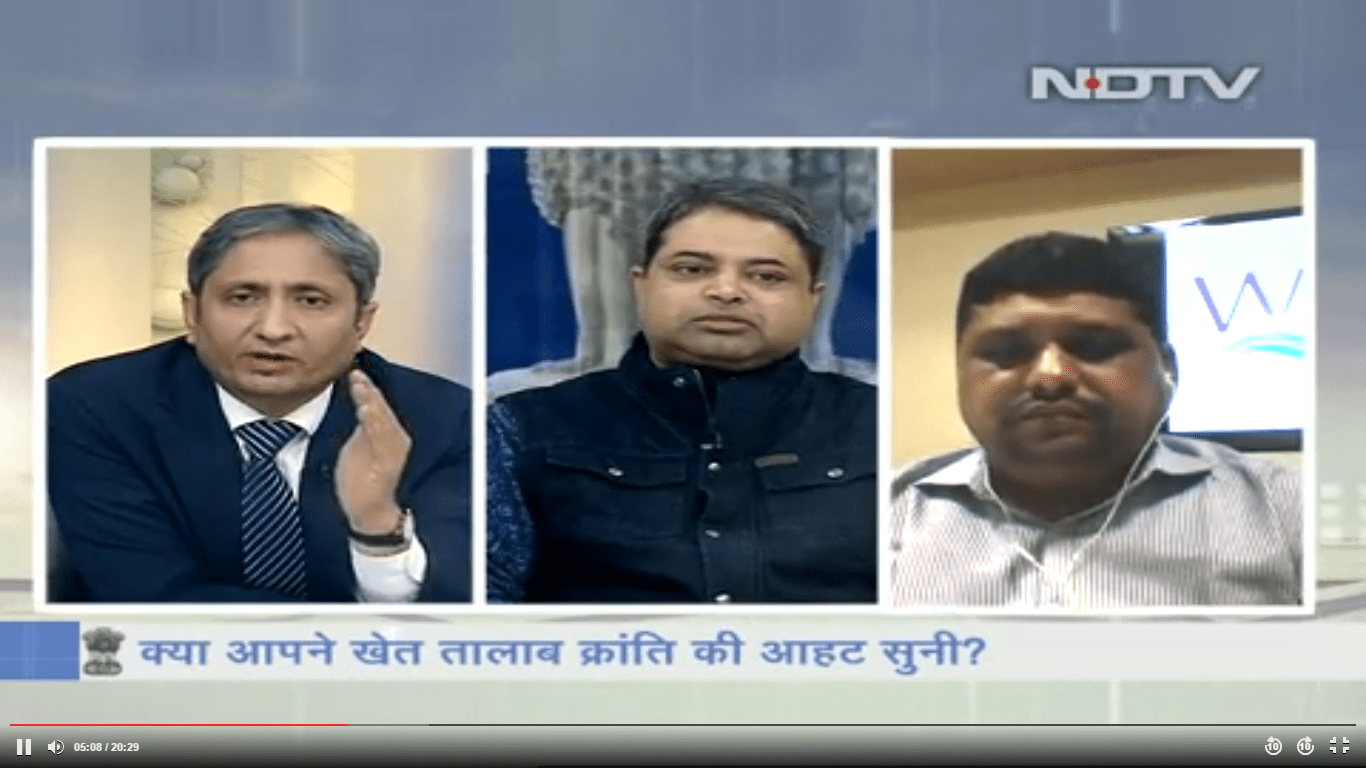
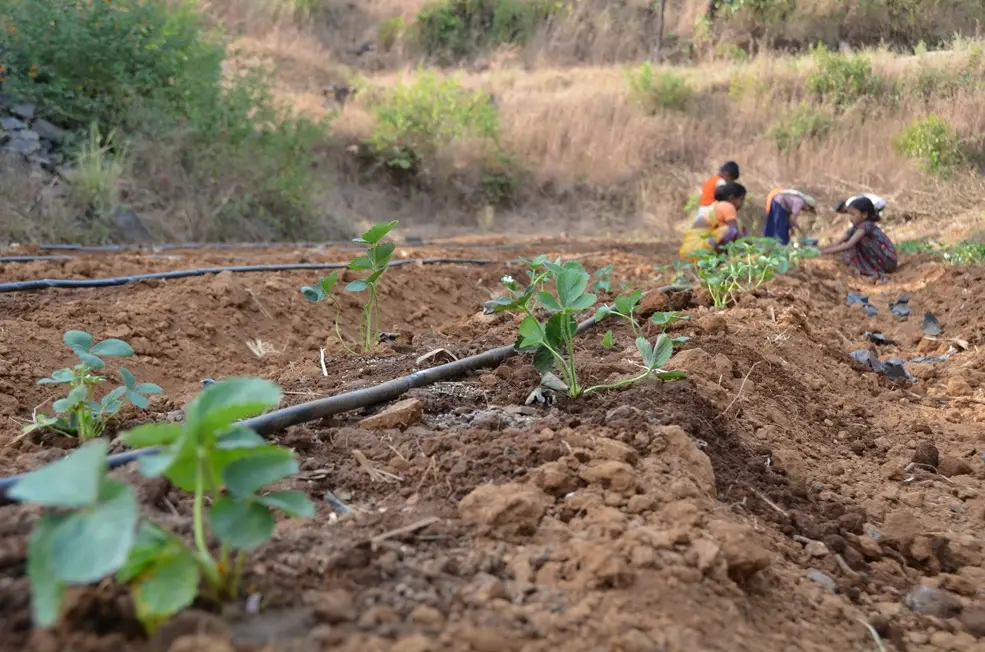
This week Eshwer Kale, a researcher at WOTR appeared on NDTV India’s Prime Time with Ravish Kumar to discuss the implications of the government’s emphasis on farm ponds in the budget. On the show Eshwer explained that the implementation and use of farm ponds Maharashtra, where farmers fill huge farm ponds, lined with plastic, by pumping groundwater is a cause for worry. This practice, rather than reducing the vulnerability of rural communities, may result in declining groundwater levels and the de facto privatisation of what was once a shared resource.

Read More »

Seeing the trees and the forest; understanding the equal importance of micro irrigation and groundwater management

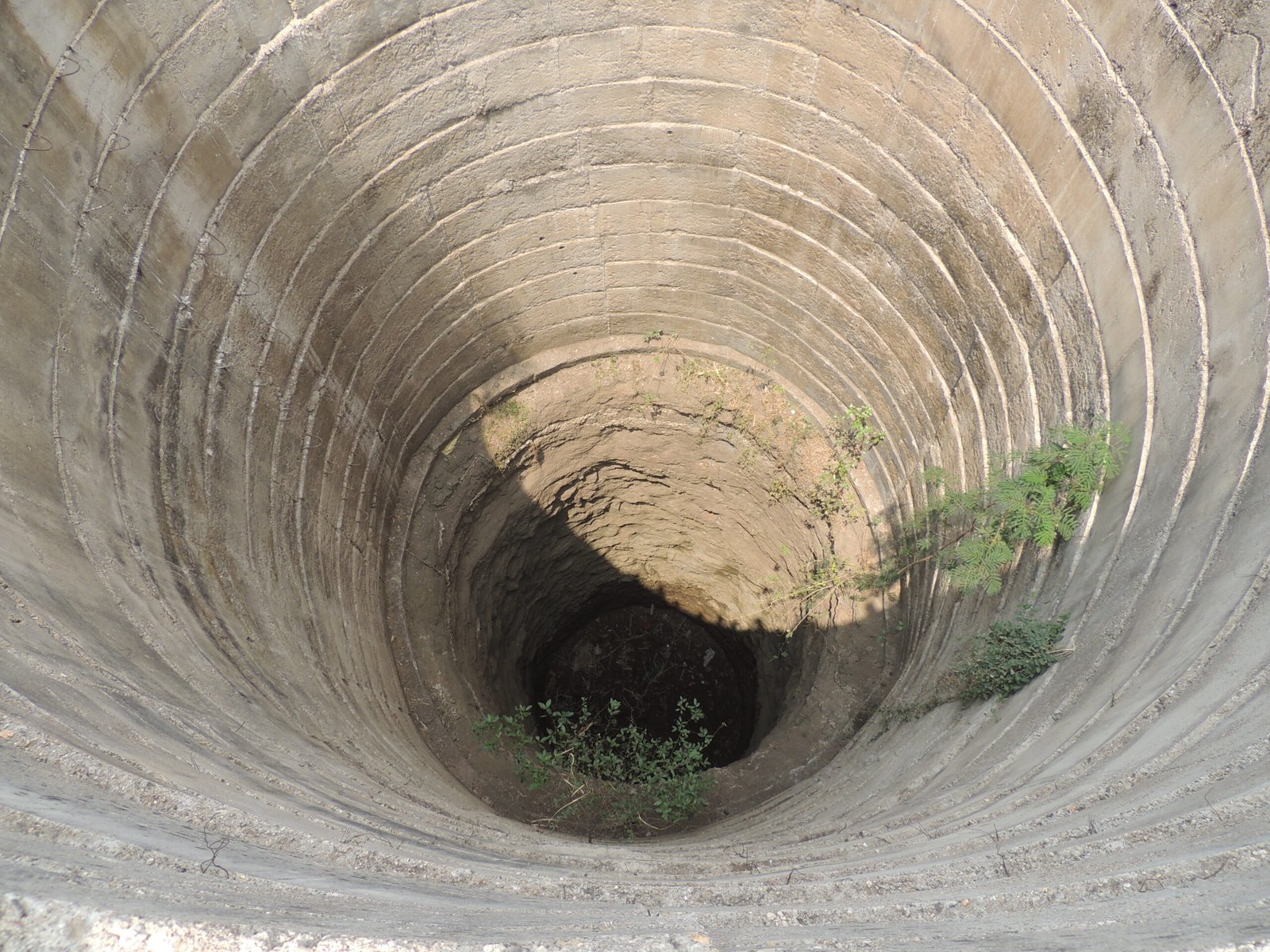
Over the last half century technological & infrastructural advancements in the form of bore wells, pumping technology and rural electrification, has enabled farmers in the dryland regions of Maharashtra to access and extract groundwater at unprecedented levels, enabling the intensification and extension of cultivation. However, high levels of abstraction accompanied by recurrent droughts have led dramatic declines in groundwater levels. Further the socio-legal paradigm that governs groundwater resources, privileges individual users while ignoring the common pool characteristics of groundwater and aquifers.

Read More »

Enterprising agriculturalist 2: Entrepreneurship and Employment in a village in Western Maharashtra

In Maharashtra, agriculture serves as a major source of rural livelihood. This sector is most vulnerable to climate change, as it is highly dependent on weather, and the vagaries of the climate. Given this uncertainty people are continually modifying their agricultural practices to suit their specific needs, available knowledge and resources. In this blog, following our earlier blog on pomegranate cultivation, we turn to a village in Jalna called Hivre Korda that has diversified its economy in response to changes in aspiration and agrarian distress. We visited this village and conducted group discussions with different landholding farmers like large, medium, small and landless for one of our studies.

Read More »

Do we understand the importance of our underground reservoirs?

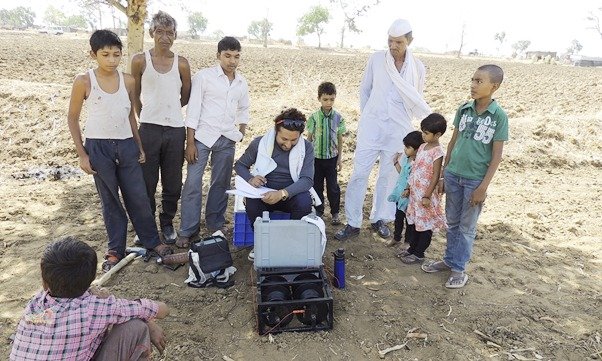
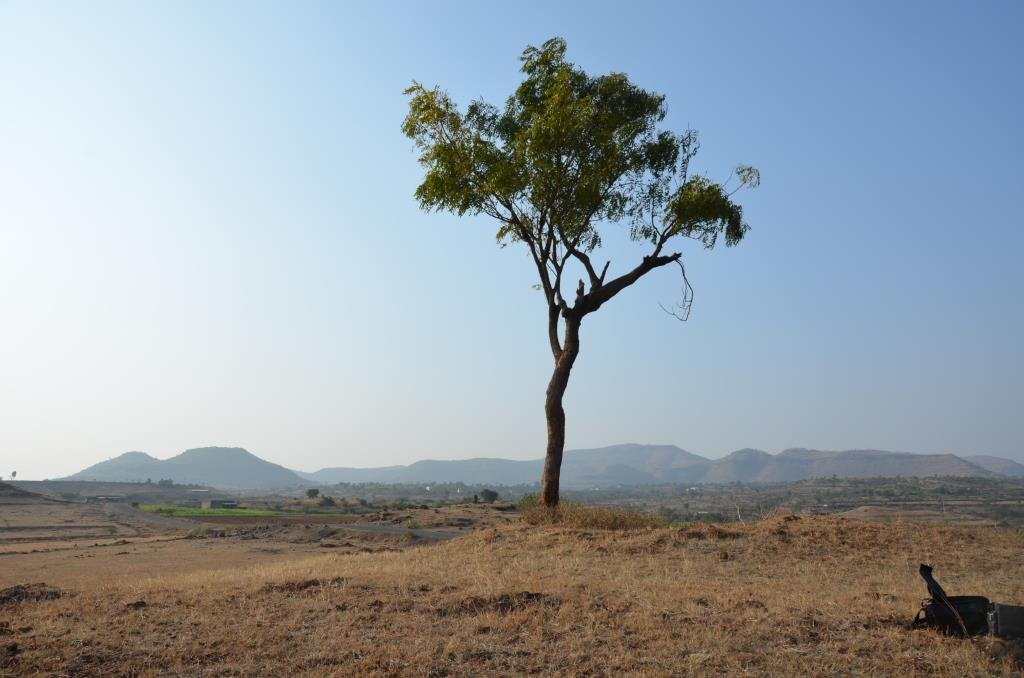
Groundwater is an integral part of the hydrogeological cycle and is an important natural resource of great social and economic significance. Today, groundwater resources across the country are under great stress: pollution , over-extraction, increasing stress due to population growth, emerging equity issues and added climate change. In much of Maharashtra, this precious natural resource occurs in weathered and fractured formations of the unsaturated zone. The hydrogeology of Deccan basalt is quite complex. This poses a challenge in identifying suitable groundwater bearing zones and location of recharge sites. Competition for this scarce resource has meant that farmers are drilling more wells of greater depth, leading to a greater disruption in the underground natural hydrological flow. Responding to this challenge requires a two- pronged approach. First, it is important to generate scientific and reliable knowledge that helps stakeholders to access and understand their underground reservoirs (aquifers). Second, an appropriate institutional setup must be put in place to ensure that this knowledge is operationalised in a sustainable and equitable manner. In this blog, we look at some of the work that we’ve been doing on the first front.

Read More »

GROUNDWATER-A DISTURBING DIP

As many parts of Maharashtra continue to be inundated with rain it is easy to forget that at this time last year much of the state was reeling under drought. While the rains this year will recharge groundwater tables, given current groundwater usage patterns it is unlikely that this water would contribute to help farmers tide over the next. KV Maitreyi looks at the root causes of water scarcity and what the state is doing to overcome it

Read More »

SNIPPETS OF RURAL MAHARASHTRA

In August 2016, I visited villages in the Western Maharashtra & Marathwada in order to collect case stories for a few projects that WOTR implements. This photo essay is an attempt to showcase some of more candid moments in the field and offers a small glimpse of life in rural Maharashtra.

Read More »
Agriculture

A nudge in the right direction: Using agro-advisories to encourage sustainable agriculture

Mobile telecommunications are increasingly being used to deliver weather forecasts directly to farmers in the form of regular advisories. These advisories are also used to introduce farmers to sustainable and innovative agricultural practices that can contribute to improving yields and reducing costs. In this blog we turn to insights from behavioural research to understand how and why advisories can be used to encourage the adoption of sustainable agricultural practices and the implications of this for scaling up these services

Read More »