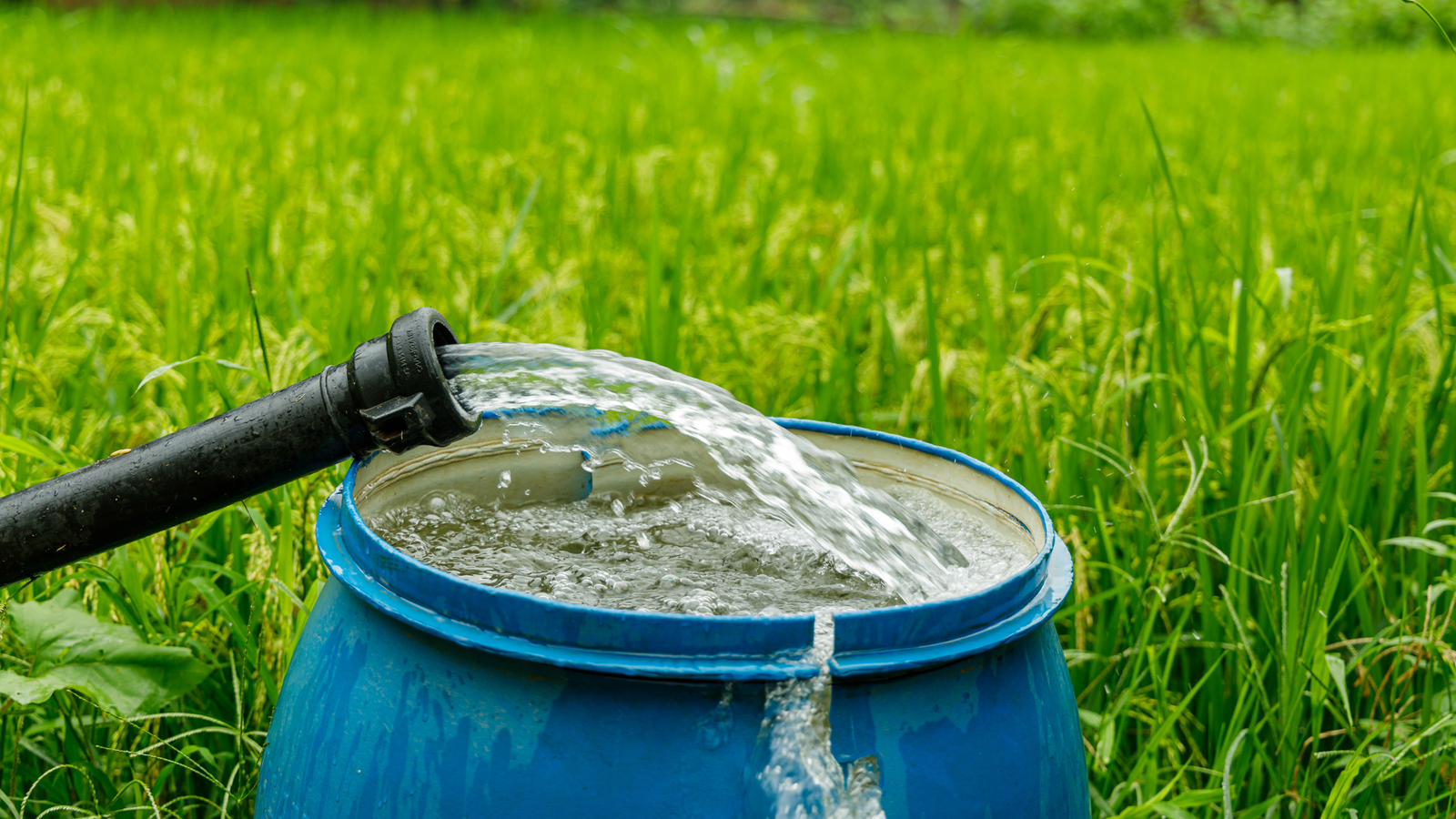
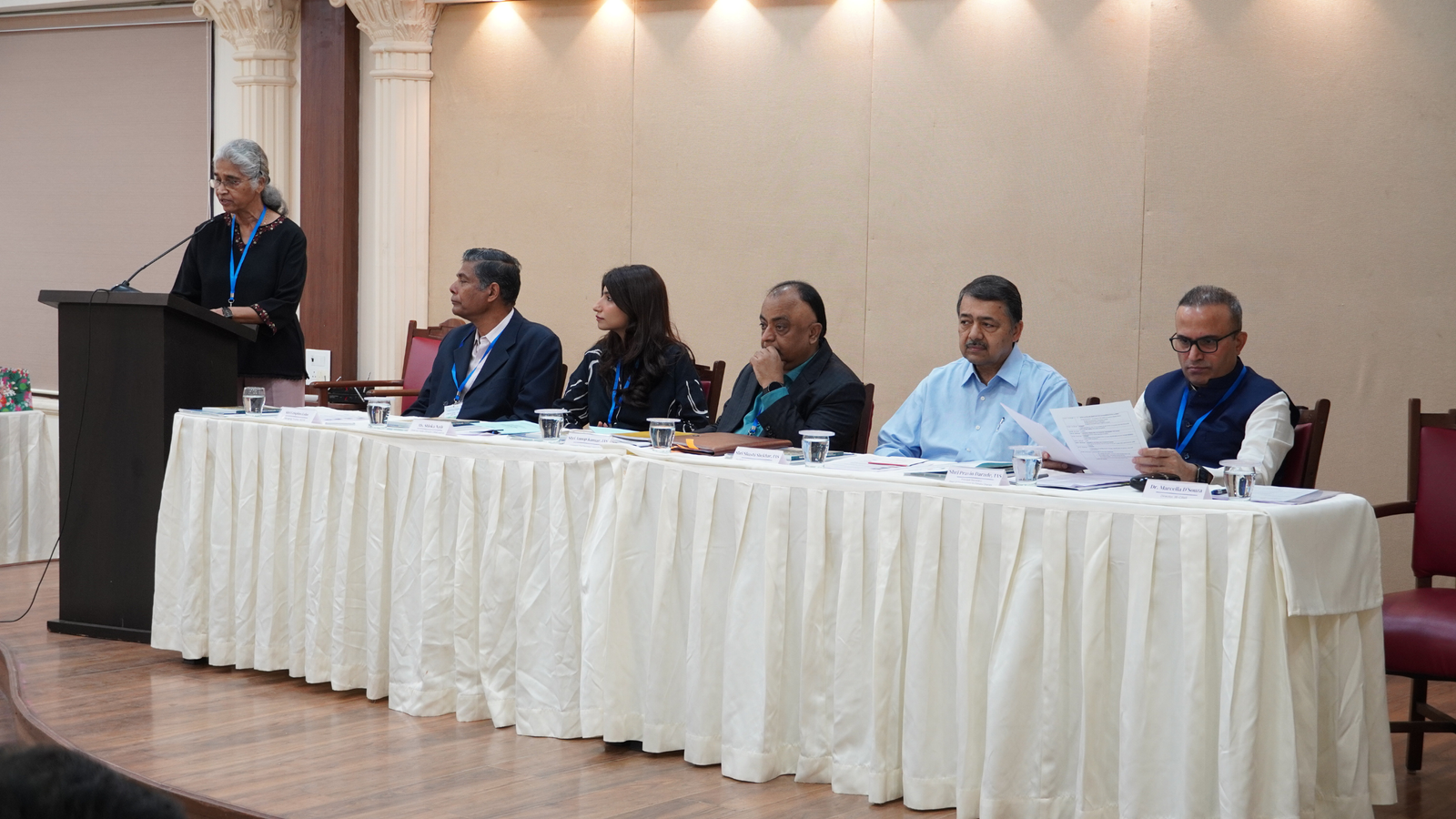
In response to Maharashtra’s deepening water crisis, a critical one-day workshop titled ‘Securing water in the time of climate change through natural ecosystems management” brought together leading experts, policymakers, and stakeholders on March 21, 2024.
A Better Tomorrow
Stories, Practices, and Solutions
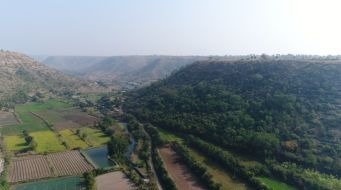
Nature, with its highly erratic behaviour, coupled with inadequate water conservation measures, has left villages grappling with severe drought situations like water scarcity, dependency on tankers, crop failure, and distressed migration. Umara is one of the participating villages in Kalamb block. In this village, two check dams are constructed through project support, bringing about a transformative change.
By Categories
By Tags
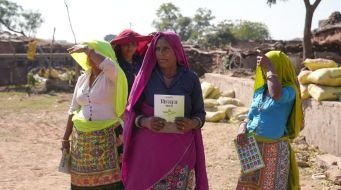
In our Must Watch – From the Archives collection, we revisit powerful films that chronicle 32 years of transformation. These stories capture the resilience of rural communities, the strength of collective action and the quiet yet lasting change that numbers alone can’t express.
How Karauli farmers stopped soil erosion using traditional Pagaras, community action, and climate-smart farming to restore land, livelihoods, and resilience
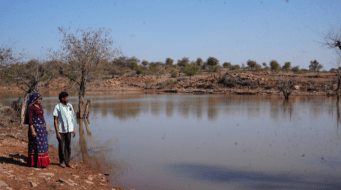
From dust-filled mines to life-giving ponds, Karauli’s communities revive water, farming, dignity, and hope through collective climate resilience efforts
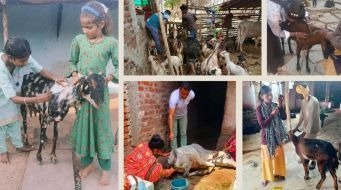
Discover how Pashu Sakhi members transform rural India through doorstep livestock care, stronger livelihoods, healthier animals, and resilient farming communities.
Exploring sustainable farming, social inequality, and policy failures, urging humility and community-led solutions in agriculture and development sector with Dr Divya Veluguri.
Innovation once drove survival and growth. Now, amid climate stress and inequality, it must shift toward impact, resilience, and long-term sustainability.
WOTR’s Annual Report 2024-25, Roots & Resilience, highlights rural resilience through science, technology, and tradition.
Across India, disasters are no longer singular events but a polycrisis—where climate extremes, ecological degradation, water stress, and livelihood insecurity interact and amplify one another