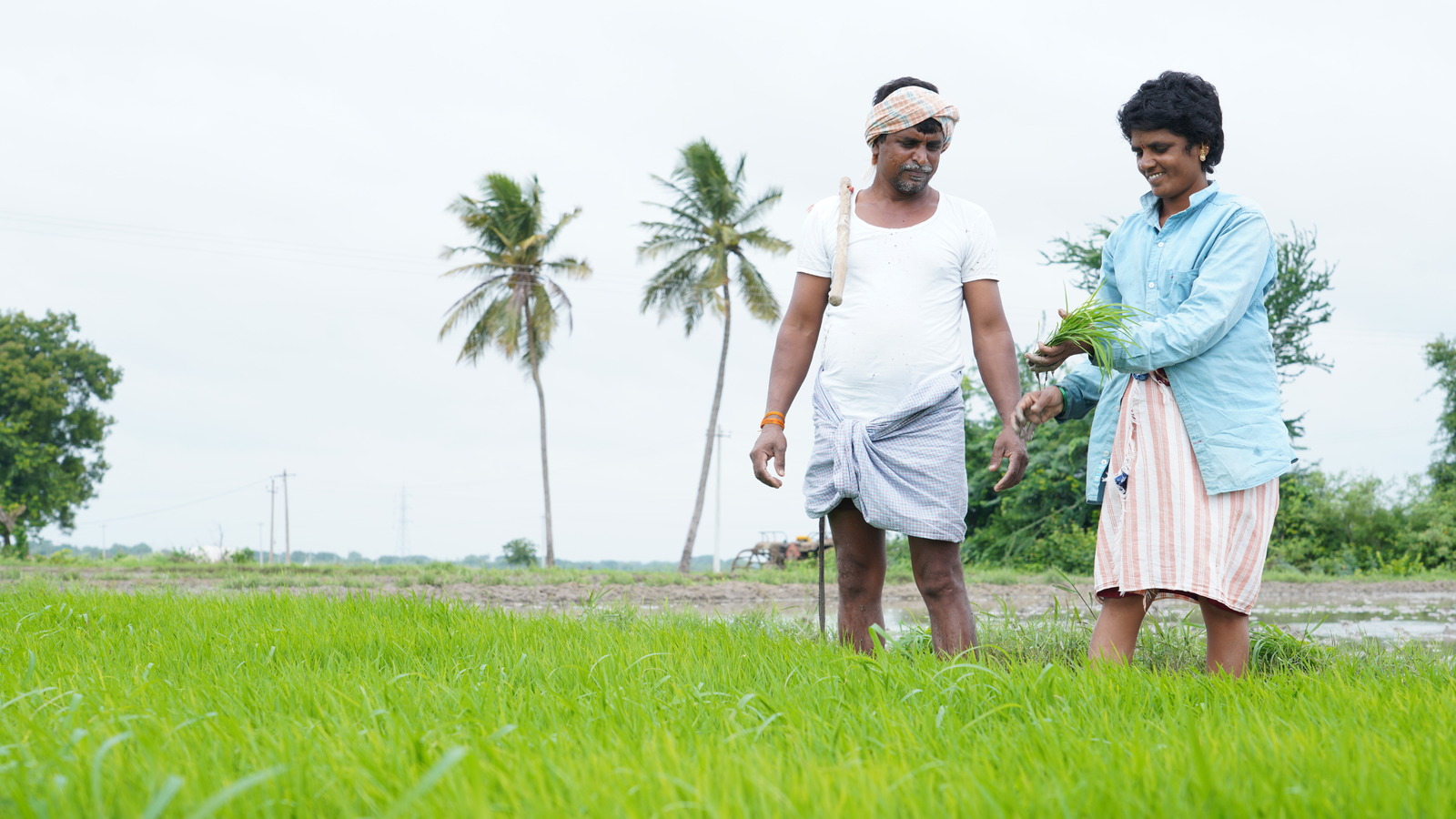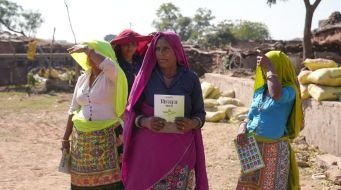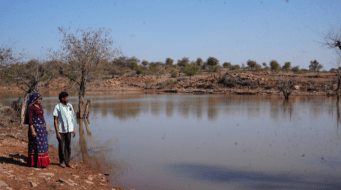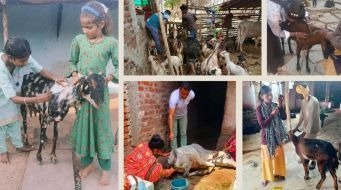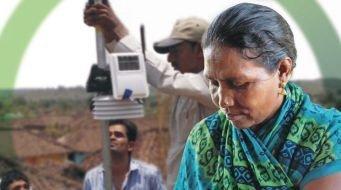
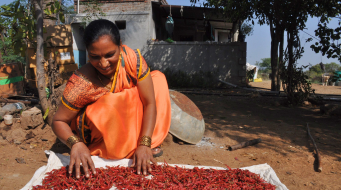
In many parts of rural India, patriarchal norms and social stigma confine women to the default role of a homemaker. HSBC’s ‘Promoting Entrepreneurship, Employment Opportunities, and Increased Incomes in Maharashtra’ programme, changed the lives of 1,700 women across 20 villages in Karjat and Shrigonda in Maharashtra, empowering them to become entrepreneurs. Defying tradition, these women today are building successful businesses and transforming their communities.
A Better Tomorrow
Stories, Practices, and Solutions
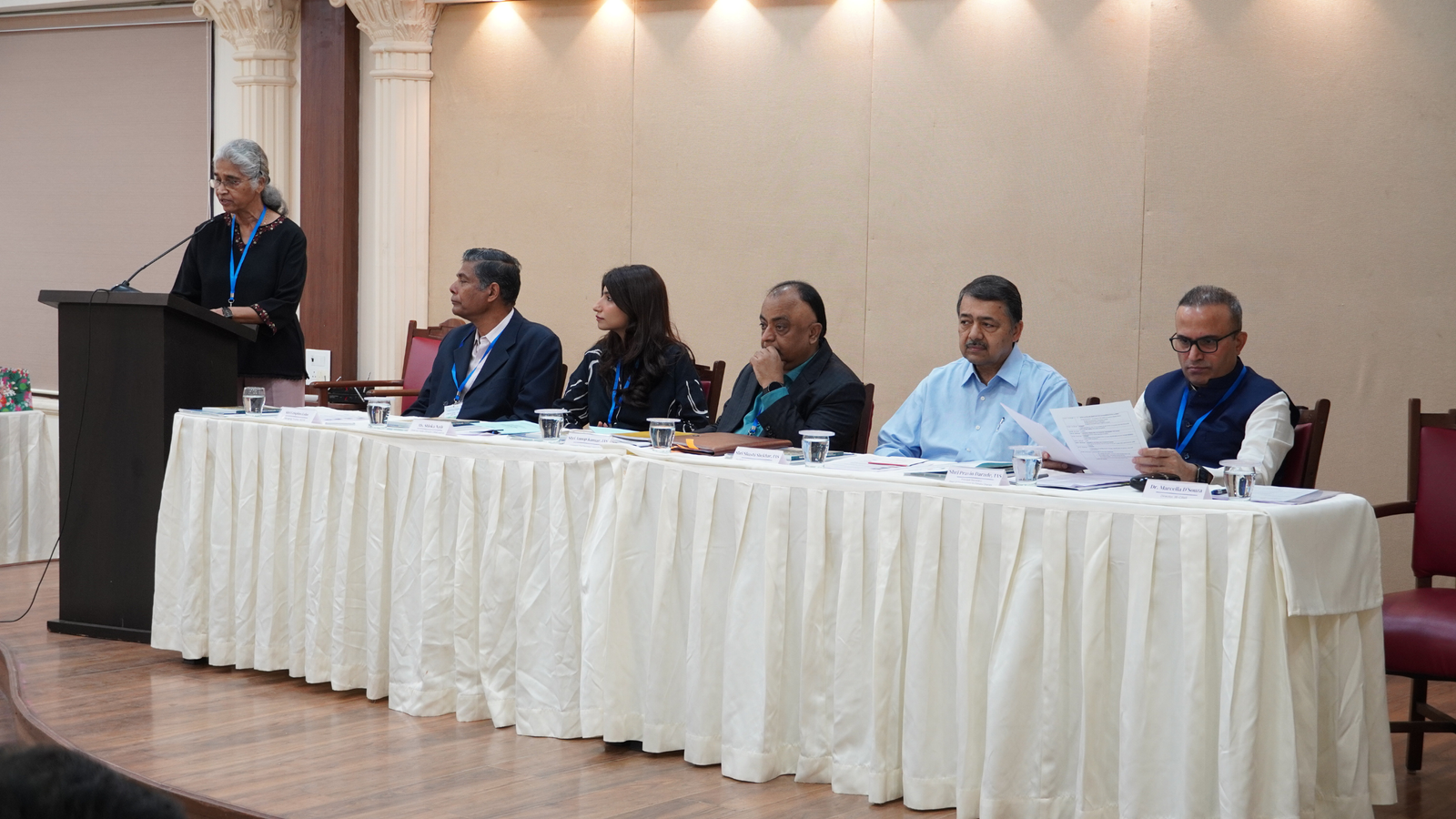
In response to Maharashtra’s deepening water crisis, a critical one-day workshop titled ‘Securing water in the time of climate change through natural ecosystems management” brought together leading experts, policymakers, and stakeholders on March 21, 2024.
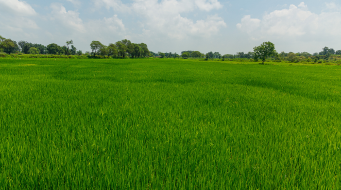
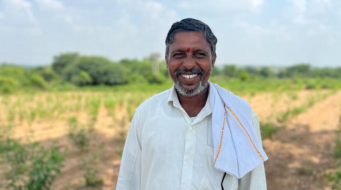
Kavili Bal Reddy, a farmer from Appireddipally in Narayanpet mandal owns 7.5 acres of land on which he has been growing paddy in both Kharif and Rabi season for decades. That’s when Reddy decided to do something different. As part of the Farmer Field School (FFS) organised by WOTR under the Axis Bank Foundation’s Sustainable Livelihoods Programme, Reddy learnt about the concept of cultivating Green Manure Crops (GMCs).
Bingi Ramulu, a 52-year-old farmer from Ammireddipally village in Narayanpet, had lost hope in his eleven-acre rainfed plot ever turning a profit. Determined for solutions, he joined one of the 15 Farmer Field Schools (FFSs) in Ammireddipally, part of the Axis Bank Foundation’s Sustainable Livelihoods Programme, run by WOTR.
In today’s rapidly evolving business landscape, the concept of environmental sustainability is moving from being a philanthropic trend to a crucial business imperative. This blog post will delve into why environmental sustainability matters to businesses, exploring the key benefits, strategies, and ways to measure your progress.
The fertile soil that sustains Indian agriculture is under siege. Unsustainable land-use practices have long contributed to its decline. Today, climate change is a powerful catalyst, intensifying soil degradation and erosion with alarming consequences. Safeguarding India’s soils is a fight against both climate change and food insecurity.
Women in every corner of the world face a relentless barrage of obstacles: unequal pay, limited access to opportunities, and the constant threat of violence and discrimination. In rural communities, these burdens are often magnified, stifling women’s potential and trapping them in cycles of poverty and oppression. This blog unveils the powerful stories of women from rural Maharashtra who shattered these cycles of hardship and patriarchy.
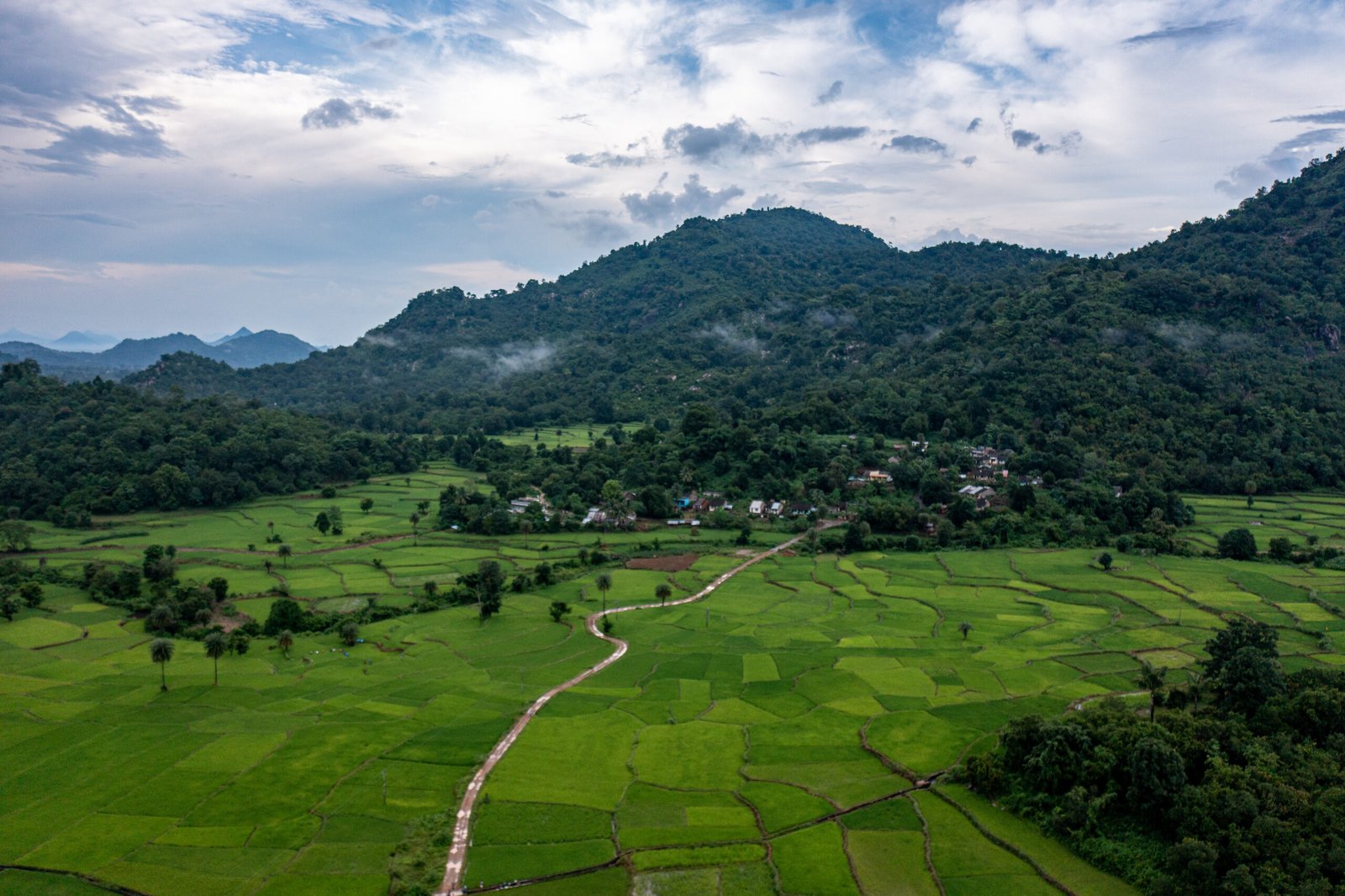
In the face of climate change challenges, farmers in Appireddypally, Telangana, were struggling with dwindling yields and migration. The Rural Livelihoods Project by Axis Bank Foundation and WOTR brought hope through the formation of a Mutual Aided Cooperative Society (MACS). Despite initial hesitation, farmers united to establish the ‘Sri Jeevanadhara Paraspara Rythu Sahakara Sangam Limited’ MACS.
Businesses face escalating challenges from climate change affecting global agriculture. The solution lies in investing in climate-smart agriculture, which offers proactive strategies for resilience and market opportunities. Climate-smart agriculture, defined by the FAO, includes sustainable productivity increases, enhanced resilience, and reduced emissions.
In the village of Jawalga Bet, Ranjana’s dreams of a brighter future seemed distant amidst her family’s modest income. However, an opportunity arose through IndusInd Bank’s Flagship Program, implemented by WOTR and Sampada Trust. With their support, Ranjana ventured into entrepreneurship, establishing her own Khova unit.
By Categories
By Tags
In our Must Watch – From the Archives collection, we revisit powerful films that chronicle 32 years of transformation. These stories capture the resilience of rural communities, the strength of collective action and the quiet yet lasting change that numbers alone can’t express.
How Karauli farmers stopped soil erosion using traditional Pagaras, community action, and climate-smart farming to restore land, livelihoods, and resilience
From dust-filled mines to life-giving ponds, Karauli’s communities revive water, farming, dignity, and hope through collective climate resilience efforts
Discover how Pashu Sakhi members transform rural India through doorstep livestock care, stronger livelihoods, healthier animals, and resilient farming communities.
Exploring sustainable farming, social inequality, and policy failures, urging humility and community-led solutions in agriculture and development sector with Dr Divya Veluguri.
Innovation once drove survival and growth. Now, amid climate stress and inequality, it must shift toward impact, resilience, and long-term sustainability.
WOTR’s Annual Report 2024-25, Roots & Resilience, highlights rural resilience through science, technology, and tradition.
Across India, disasters are no longer singular events but a polycrisis—where climate extremes, ecological degradation, water stress, and livelihood insecurity interact and amplify one another