In a landmark move poised to transform water stewardship across Maharashtra’s vulnerable regions, the Water Supply & Sanitation Department (WSSD), under the Government of Maharashtra, has inked a Memorandum of Understanding (MOU) with the Watershed Organisation Trust (WOTR), Pune.
A Better Tomorrow
Stories, Practices, and Solutions
The Government of Maharashtra, through its Department of Environment and Climate Change (DoE-CC), has joined forces with the Watershed Organisation Trust (WOTR), a renowned non-profit organisation and think tank, to forge a path toward sustainable and resilient development.
The Department of Agriculture, Government of Maharashtra, and the Watershed Organisation Trust (WOTR), Pune, have come together in a pioneering non-financial agreement to spearhead the “Building Resilience in Agriculture and Allied Sectors in Rural Maharashtra” project that is aided by the India Climate Collaborative (ICC).
This blog explores the challenges and solutions towards achieving Sustainable Development Goal 6 (Clean Water and Sanitation for All) in India, emphasizing the importance of collective action and innovative approaches.
A new chapter opens for India’s drylands with a strategic Memorandum of Understanding (MoU) between the Watershed Organisation Trust (WOTR) and the Central Research Institute for Dryland Agriculture (CRIDA).
Last week, Finance Minister Nirmala Sitharaman presented the Interim Budget in the Lok Sabha, outlining key initiatives and their impact on rural India. Here are the major highlights and figures.
By Categories
By Tags
When we mix weather,climate and climate change terms together, it can lead to confusion about what actually caused an event, who is responsible, and what actions are most effective
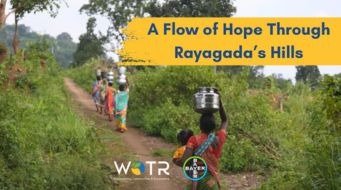
Explore WOTR’s 13-year journey across villages in Odisha, reaching over one lakh people through community-led watershed and livelihood interventions.
The Global South is being asked to shoulder the world’s nature and climate ambitions while global finance continues to move decisively in the opposite direction.
Read a collection blogs which brings together five stories from WOTR’s blog, shaped by the everyday lives, struggles, and choices of people in rural India. Told from the ground up, these pieces reflect moments of resilience, learning, and collective effort around water, livelihoods, and social change.
A water storage capacity of 2.5 million litres was created, bringing 64.25 acres of barren land back under cultivation while reducing soil erosion and improving groundwater recharge.
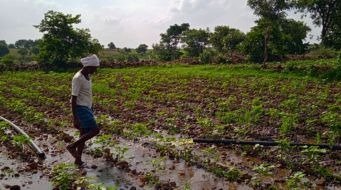
Maruti implemented a series of watershed interventions, including a farm pond and Water Absorption Trenches (WATs) to prevent surface runoff and recharge the aquifers
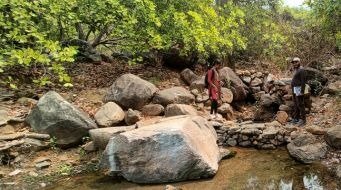
The Kadasi Revenue village in Odisha, which gets water from five springs, provided a closer look at the interplay between nature, community, and water resources to W-CReS researcher Navnath Ghodake during his field visit.
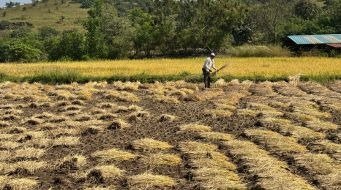
Farmers in rural Maharashtra are transforming their harvests and building climate resilience through innovative crop protection and sustainable agricultural growth.