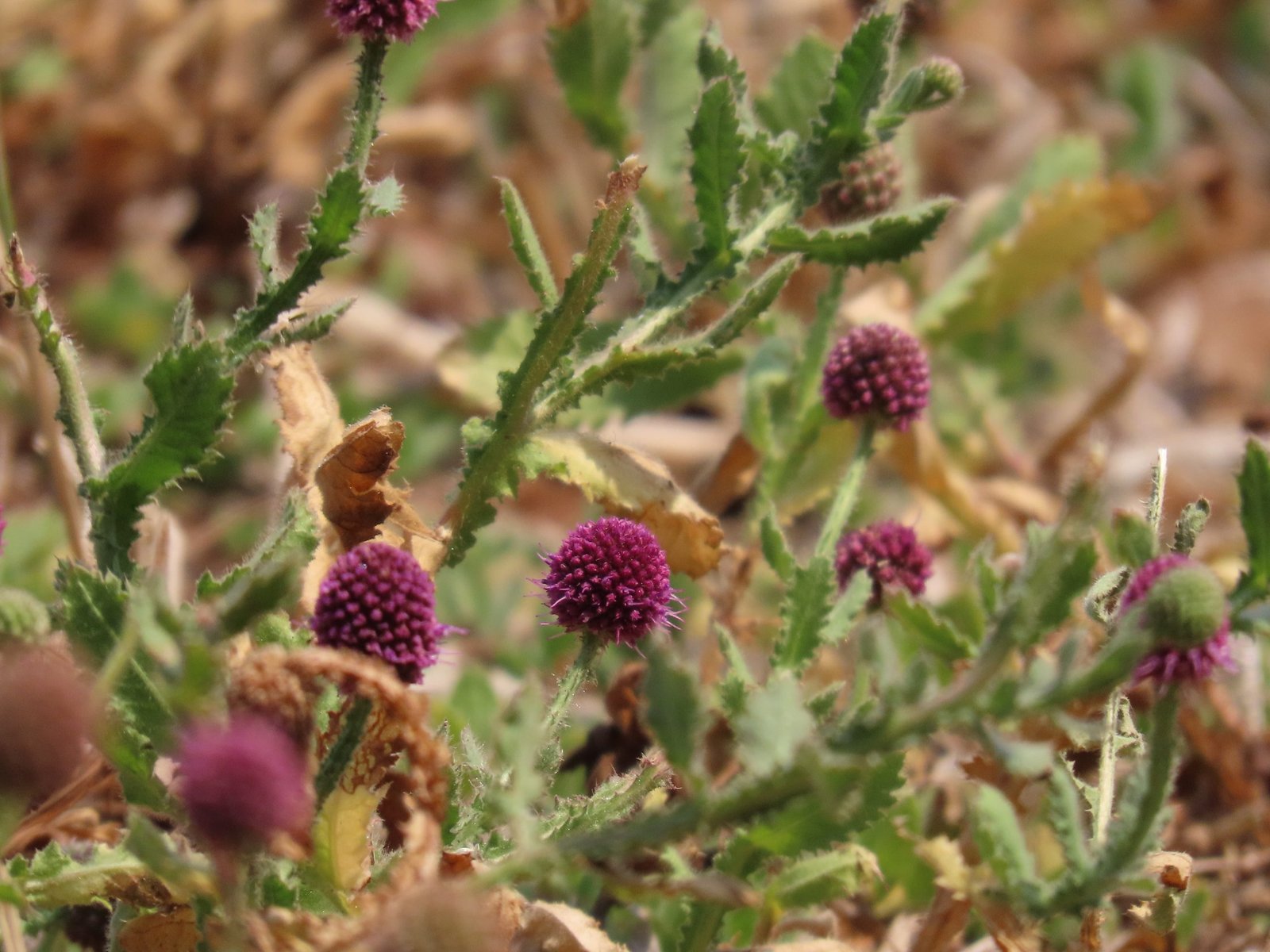
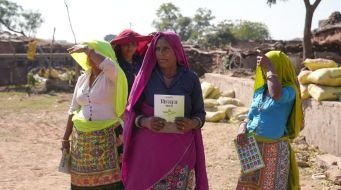
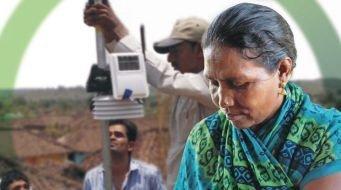
The Raan Bhaji festival celebrates indigenous, wild edible plants used in local cuisine, highlighting the ancient diet of human civilisations. Wild Edible Plants (WEPs) thrive independently, predating modern agriculture. WEPs are integral to the sustenance of traditional and indigenous food methodologies, particularly within rural and
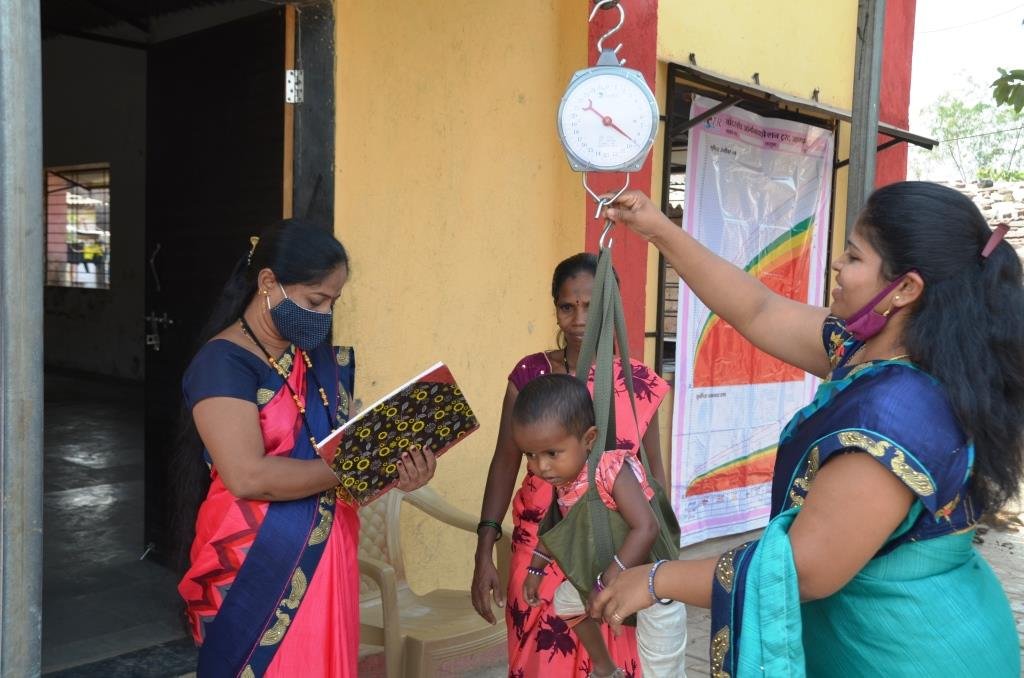
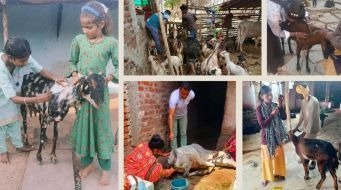
In this context, the ‘Pashu Sakhis’ programme trains local women to become Community Animal Care Service Providers (CASP). These Pashu Sakhis offer essential livestock care and guidance, empowering rural women and improving animal health.
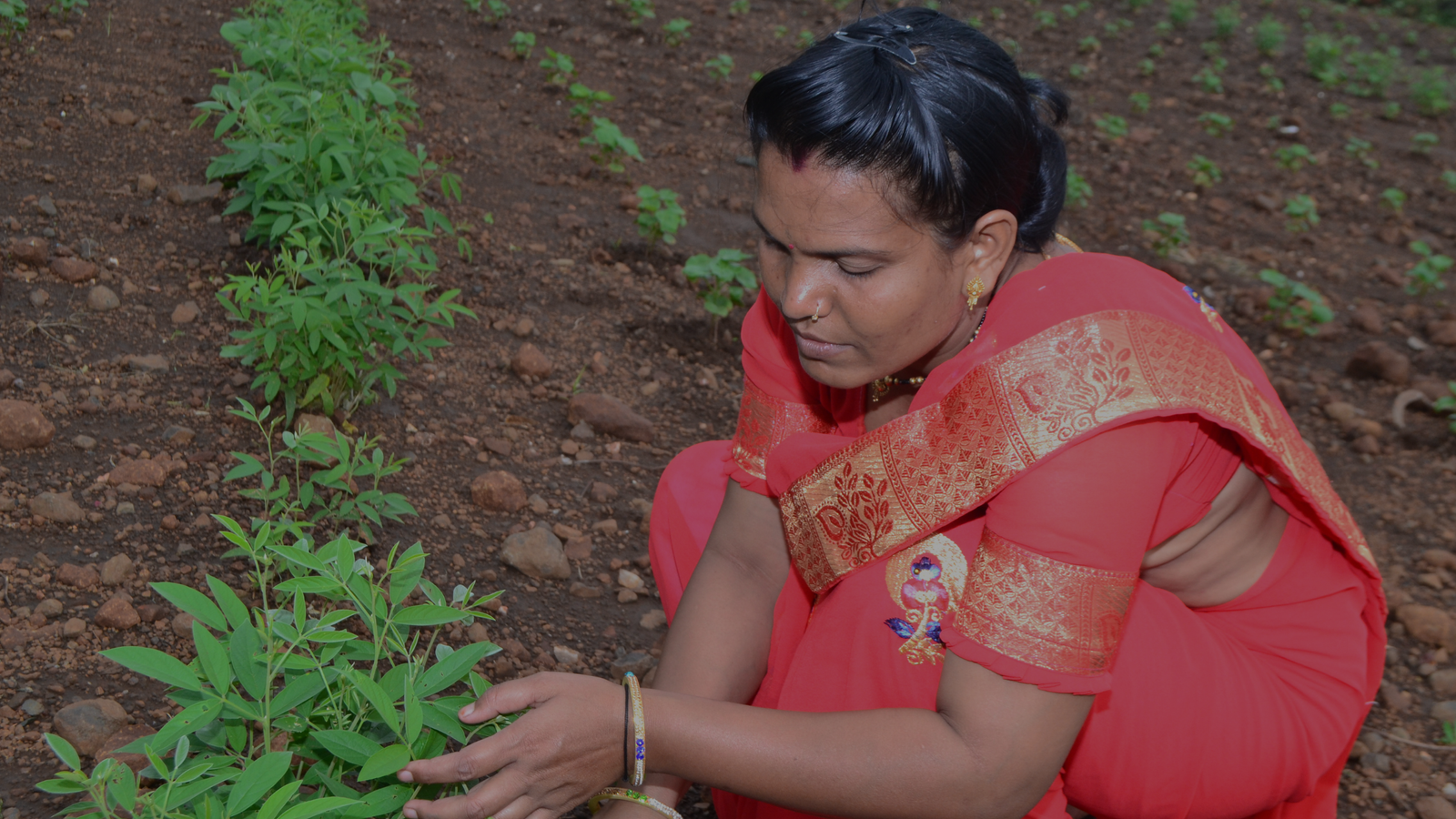
Kanta Golayit always harboured a deep-seated desire to cultivate her own land and reap a bountiful harvest. Despite the vast land she owned, the yield was dishearteningly meagre. With acute water scarcity and inadequate irrigation facilities
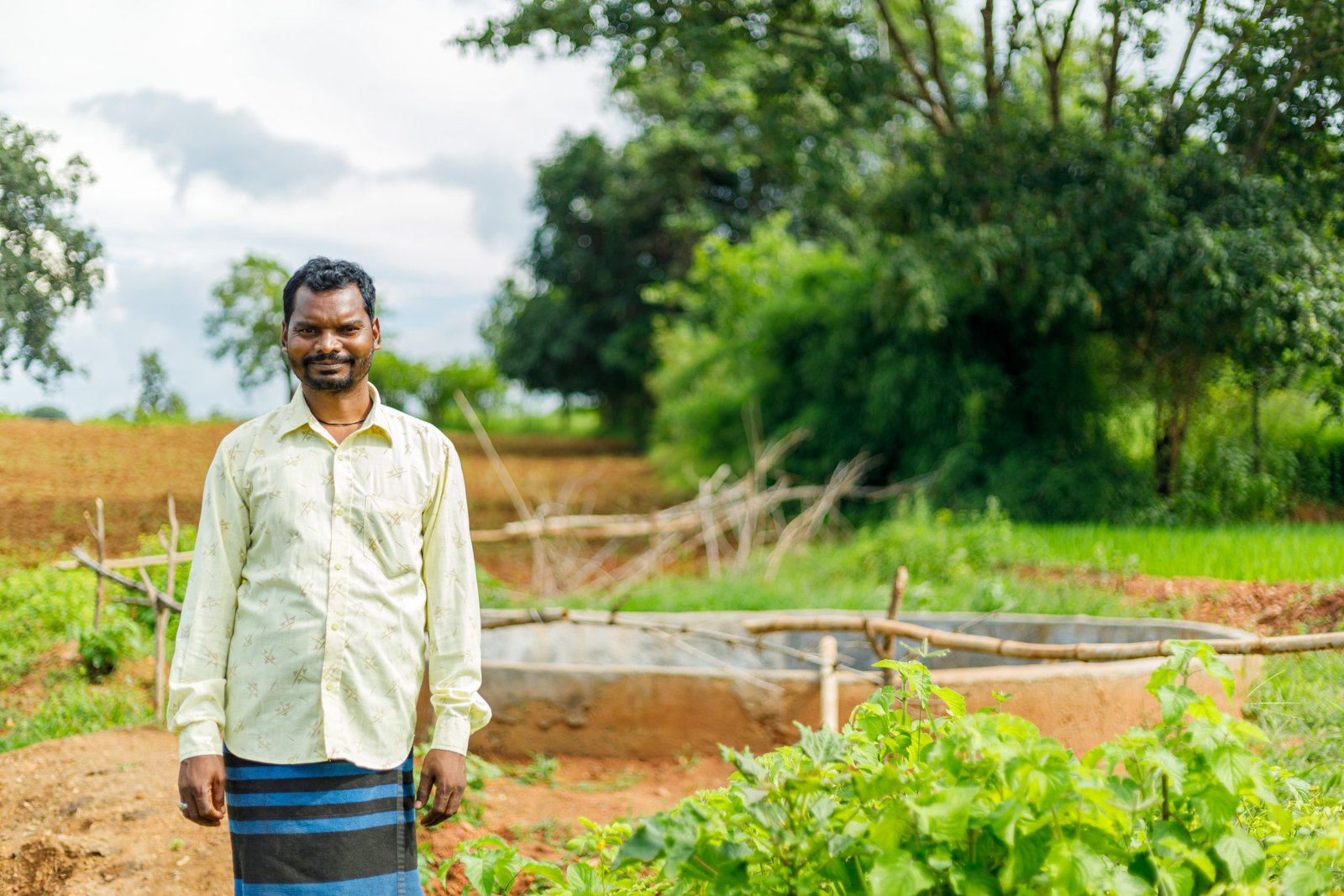
Shivmangal Singh, a hardworking man of 38, knew the contours of struggle and perseverance intimately. As a resident of the remote Mudijhariya village in Koriya district of Chhattisgarh, he bore the weight of providing for a family of six. Alongside his eldest son, Shivmangal shouldered the responsibility
Menstruation is a natural process that marks the transition from adolescence to womanhood, and it plays a vital role in women’s reproductive health. Did you know that on average, women spend about five years of their lives menstruating? Taking care of
Nestled in the backyards of homes, kitchen gardens—often known as backyard gardens—serve as intimate, small-scale havens for growing an enchanting array of vegetables, herbs, fruits, and occasionally even flowers. With a focus on
India, predominantly an agricultural nation, is currently facing a significant challenge in ensuring food security for its ever-growing population. With agriculture accounting for about 70% of the country’s water consumption, efficient water
India, with a population of 1.4 billion, has long been concerned with ensuring food security. Despite recent economic growth, the country continues to face challenges in eradicating hunger. Maharashtra, one of India’s largest states in terms of area and
In our Must Watch – From the Archives collection, we revisit powerful films that chronicle 32 years of transformation. These stories capture the resilience of rural communities, the strength of collective action and the quiet yet lasting change that numbers alone can’t express.
How Karauli farmers stopped soil erosion using traditional Pagaras, community action, and climate-smart farming to restore land, livelihoods, and resilience
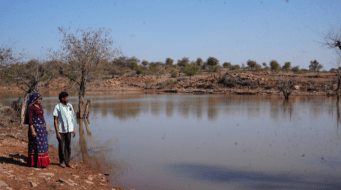
From dust-filled mines to life-giving ponds, Karauli’s communities revive water, farming, dignity, and hope through collective climate resilience efforts
Discover how Pashu Sakhi members transform rural India through doorstep livestock care, stronger livelihoods, healthier animals, and resilient farming communities.
Exploring sustainable farming, social inequality, and policy failures, urging humility and community-led solutions in agriculture and development sector with Dr Divya Veluguri.
Innovation once drove survival and growth. Now, amid climate stress and inequality, it must shift toward impact, resilience, and long-term sustainability.
Across India, disasters are no longer singular events but a polycrisis—where climate extremes, ecological degradation, water stress, and livelihood insecurity interact and amplify one another