Life is nothing if not diverse! And so is the world around us. From the thick, all-encompassing worldly banyan trees to the thin films of algae that floats on water surfaces, from the gorgeous, speckled butterflies to the slimy brown bugs that feast on
A Better Tomorrow
Stories, Practices, and Solutions
People in the rural rainfed areas of India are facing multiple challenges- degradation of land and other natural resources, water scarcity, lack of social empowerment and welfare, unequal distribution of the wealth, high level of vulnerability to climate change,
On 19th November 2021, WOTR with IDH and eight other partners, launched ECOBARI – a collaborative aimed to promote Ecosystem Based Adaptation for Resilient Incomes. The event witnessed over 150 participants. ECOBARI received a huge support from the development fraternity;
Climate change is already happening. Rising temperatures leading to rise in natural disasters are already making headlines. This shifting phenomenon presents a considerable risk on the health of people, natural capital (like clean water and food) and world economies
By Categories
By Tags
When we mix weather,climate and climate change terms together, it can lead to confusion about what actually caused an event, who is responsible, and what actions are most effective
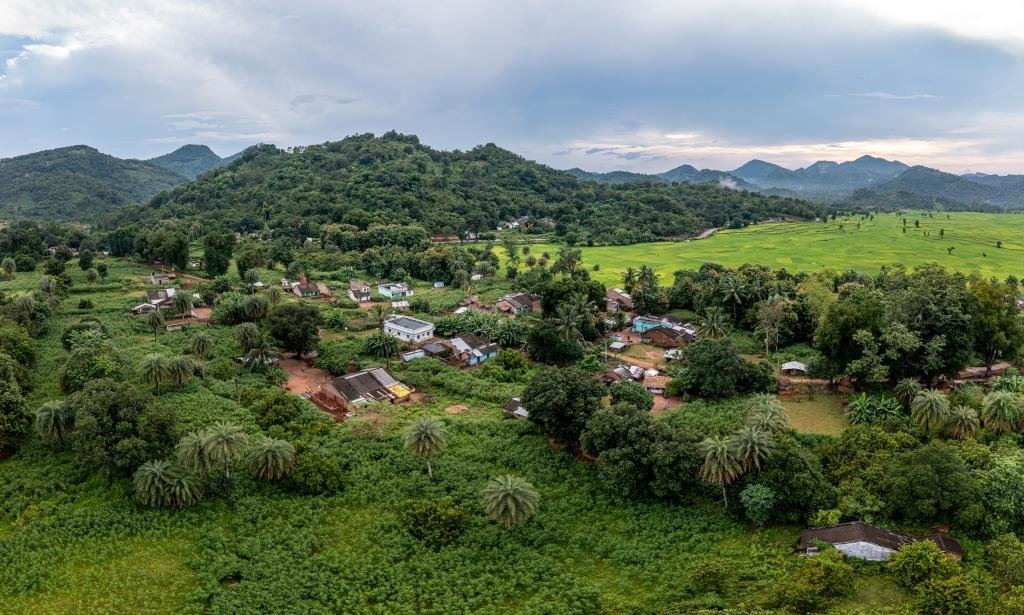
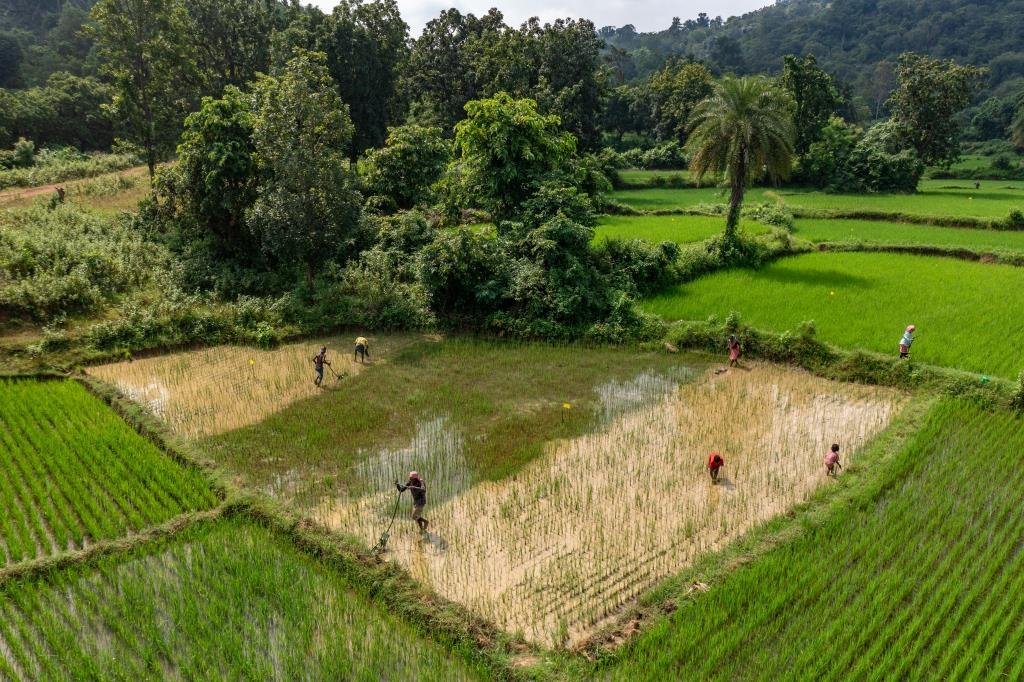
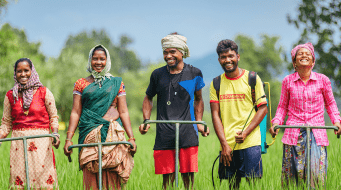
Explore WOTR’s 13-year journey across villages in Odisha, reaching over one lakh people through community-led watershed and livelihood interventions.
The Global South is being asked to shoulder the world’s nature and climate ambitions while global finance continues to move decisively in the opposite direction.
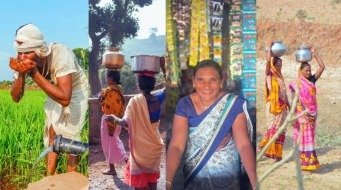
Read a collection blogs which brings together five stories from WOTR’s blog, shaped by the everyday lives, struggles, and choices of people in rural India. Told from the ground up, these pieces reflect moments of resilience, learning, and collective effort around water, livelihoods, and social change.
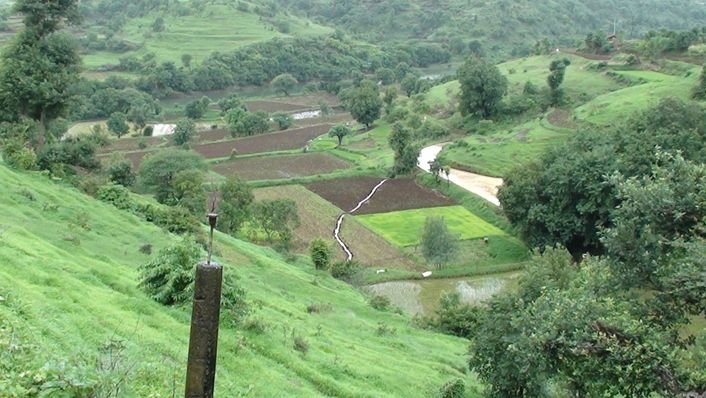
A water storage capacity of 2.5 million litres was created, bringing 64.25 acres of barren land back under cultivation while reducing soil erosion and improving groundwater recharge.
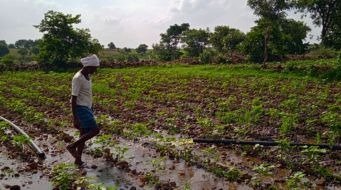
Maruti implemented a series of watershed interventions, including a farm pond and Water Absorption Trenches (WATs) to prevent surface runoff and recharge the aquifers
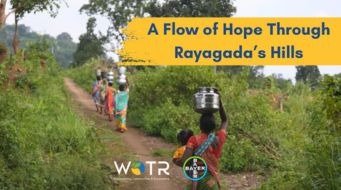
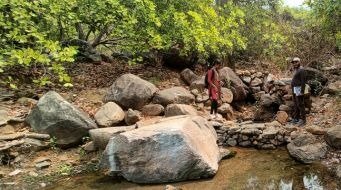
The Kadasi Revenue village in Odisha, which gets water from five springs, provided a closer look at the interplay between nature, community, and water resources to W-CReS researcher Navnath Ghodake during his field visit.
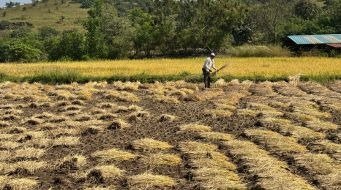
Farmers in rural Maharashtra are transforming their harvests and building climate resilience through innovative crop protection and sustainable agricultural growth.