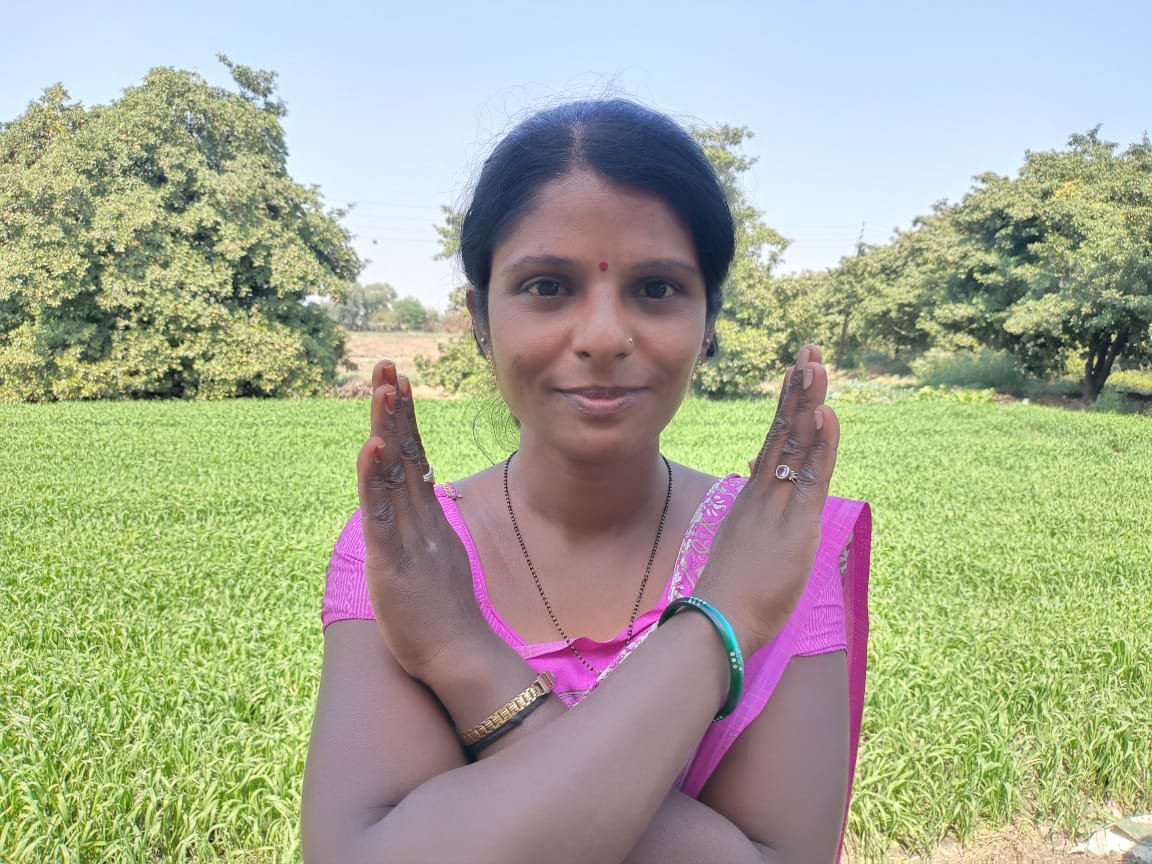
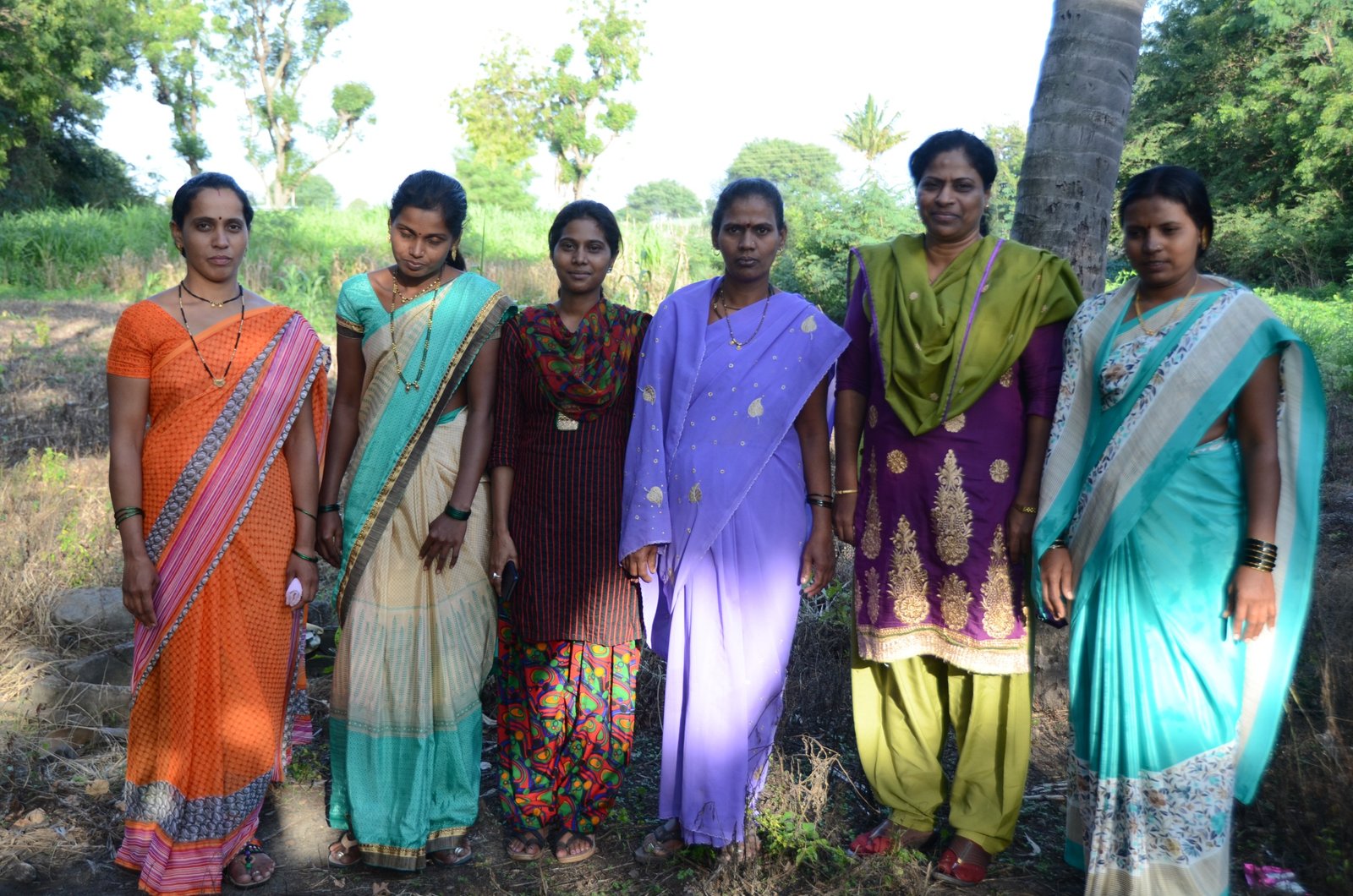
Gender stereotypes have shaped expectations and defined roles that have been stitched tightly into the seam of rural fabric. Given the centrality of gender equality to climate or development goals, ripping the biases out will be imperative. While there’s no quick fix to this, addressing the following overarching biases could be a start
A Better Tomorrow
Stories, Practices, and Solutions
Gender inclusiveness and women empowerment has garnered strong support globally, especially in the last couple of decades, and rightly so. Women are pivotal to the progress of a nation and play a key role in defining the culture of a society.
Climate change itself may be gender-neutral, but any action we need to take for adaptation cannot be anything but women-centric. Climate action cannot do without women. The reasons are endless, but let me bring out the five specific ones, and all of them have to do with every day and straightforward logic.
By Categories
By Tags
In our Must Watch – From the Archives collection, we revisit powerful films that chronicle 32 years of transformation. These stories capture the resilience of rural communities, the strength of collective action and the quiet yet lasting change that numbers alone can’t express.
How Karauli farmers stopped soil erosion using traditional Pagaras, community action, and climate-smart farming to restore land, livelihoods, and resilience
From dust-filled mines to life-giving ponds, Karauli’s communities revive water, farming, dignity, and hope through collective climate resilience efforts
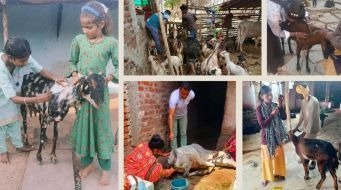
Discover how Pashu Sakhi members transform rural India through doorstep livestock care, stronger livelihoods, healthier animals, and resilient farming communities.
Exploring sustainable farming, social inequality, and policy failures, urging humility and community-led solutions in agriculture and development sector with Dr Divya Veluguri.
Innovation once drove survival and growth. Now, amid climate stress and inequality, it must shift toward impact, resilience, and long-term sustainability.
WOTR’s Annual Report 2024-25, Roots & Resilience, highlights rural resilience through science, technology, and tradition.
Across India, disasters are no longer singular events but a polycrisis—where climate extremes, ecological degradation, water stress, and livelihood insecurity interact and amplify one another